
China Top 10 Internal Pipe Repair Manufacturers?
China Top 10 Internal Pipe Repair Manufacturers?
China’s internal pipe repair market has expanded rapidly across municipal water, industrial, energy, and commercial facilities. Manufacturers now offer cured-in-place liners, sectional patches, robotic systems, pipe clamps, and specialized resin solutions. These products can reduce excavation, shorten shutdowns, and preserve valuable surfaces beneath roads or factory floors.
Professor Samuel Ariaratnam, a recognized trenchless technology specialist, has stated, “Trenchless technology is not a single technology; it is a family of technologies.” This idea is important when evaluating internal pipe repair manufacturers. A reliable supplier should not only sell equipment. It should understand pipe materials, corrosion patterns, flow conditions, curing requirements, and site limitations.
This guide reviews ten leading Chinese manufacturers through practical criteria. These include product quality, engineering experience, production capacity, inspection procedures, export performance, technical support, and documented project experience. Certifications matter, but they never tell the whole story. A strong brochure cannot replace a failed pressure test.
The comparison also considers how companies respond to difficult conditions. Examples include narrow access points, irregular pipe diameters, active leakage, high temperatures, and contaminated water lines. Some manufacturers appear impressive online, yet their after-sales support may remain unclear. That weakness deserves attention.
No ranking is perfect.
Buyers should verify resin data, liner thickness, curing records, warranty terms, and installation training before signing contracts. Independent inspection is also advisable. The best internal pipe repair partner is not always the largest company. It is the one that matches its technology to the actual defect, operating environment, and maintenance budget.
What Is Internal Pipe Repair and Why Does It Matter?
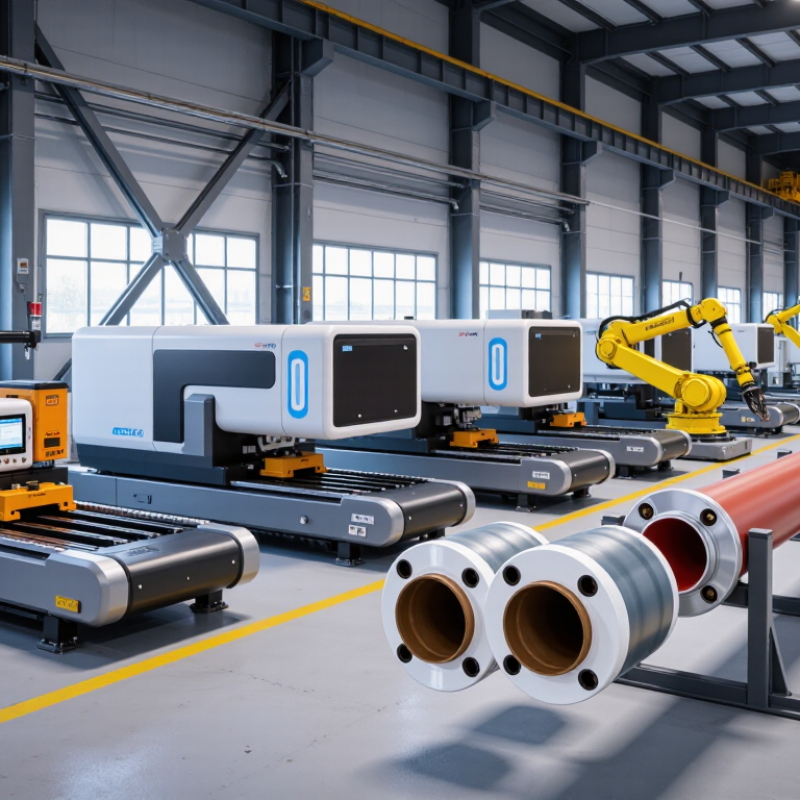
Internal pipe repair restores damaged pipelines from inside, often without removing roads, floors, or surrounding soil. Technicians inspect the pipe with cameras, sensors, or robotic tools before choosing a repair method. Small leaks may need localized patches or mechanical seals. Longer cracks can require cured-in-place liners or spray-applied protective coatings.
The repair protects water quality, operating pressure, and structural safety. It also reduces excavation waste, equipment time, and disruption to homes or factories. Yet internal repair is not a universal solution. Severe deformation, unstable soil, or blocked access may require replacement. A quick patch can look successful while corrosion continues behind it. That possibility deserves honest attention.
Tips: Request inspection images, material data, and pressure-test records. Check whether the repair suits the pipe’s diameter, fluid, temperature, and expected service life. Qualified technicians should document surface preparation and curing conditions. Poor cleaning can weaken adhesion. I have seen repair plans focus on visible cracks while ignoring joint movement and recurring pressure surges. That is a useful warning. Reliable decisions combine field evidence, engineering review, and scheduled follow-up inspections.
China Top 10 Internal Pipe Repair Manufacturers? - What Is Internal Pipe Repair and Why Does It Matter?
Internal pipe repair restores the serviceability of an existing pipeline from inside the pipe, usually without full excavation or replacement. Common technologies include cured-in-place pipe, spray-applied coatings, close-fit liners, sliplining, and mechanical point repair. The table below presents ten representative, anonymized manufacturing and technology capability profiles used in the Chinese and international pipeline-rehabilitation market. The technical ranges are typical industry values and must be verified against the project design, host-pipe condition, fluid, and applicable standards.
| No. | Primary Repair Technology | Typical Host Pipe Materials | Typical Diameter Range | Typical Repair Scope | Typical Service Conditions | Main Advantages | Important Limitations | Common Standards or References |
|---|---|---|---|---|---|---|---|---|
| 1 | Standard CIPP liner profile | Clay, concrete, vitrified clay, cast iron, steel, and some plastic pipes | Approximately DN150–DN1500, depending on the system | Cracks, infiltration, corrosion, joint leakage, and structurally deficient gravity pipelines | Mostly non-pressure or low-pressure sewer and drainage applications | Minimal excavation, continuous jointless liner, adaptable to irregular host pipes | Requires cleaning, inspection, bypass pumping, and adequate host-pipe geometry | ASTM F1216; ISO 11296-4; ASTM F1743 |
| 2 | UV-cured CIPP profile | Concrete, clay, cast iron, steel, and other compatible rigid host pipes | Commonly DN150–DN1200; project capability varies | Long-distance rehabilitation of gravity pipelines with cracks, leaks, or corrosion | Primarily sanitary sewer and stormwater systems | Fast, controlled curing, reduced site emissions compared with some thermoset processes | Requires suitable access, light transmission, stable liner positioning, and qualified installation control | ISO 11296-4; ASTM F2019; ASTM F1216 |
| 3 | Steam- or hot-water-cured CIPP profile | Concrete, clay, cast iron, steel, and compatible polymeric host pipes | Approximately DN150–DN2000 in large-diameter applications | Structural rehabilitation of sewer, drainage, culvert, and process-water lines | Gravity systems and selected pressure applications when specifically designed | Suitable for bends and variable cross-sections; available in structural thickness designs | Curing produces heat and exhaust management requirements; resin and water compatibility are critical | ASTM F1216; ISO 11296-4; project-specific structural design procedures |
| 4 | Spray-applied epoxy lining profile | Ductile iron, cast iron, steel, concrete, and other properly prepared rigid surfaces | Often DN75–DN1500, depending on access and spray equipment | Internal corrosion protection, leak sealing, and surface renewal | Water, wastewater, industrial, and selected chemical-service pipelines | Thin profile, rapid application, useful where pipe diameter reduction must be minimized | Usually not suitable for severely collapsed or highly displaced pipes; surface preparation is decisive | ISO 11296-1 and project coating specifications; potable-water approval may be required |
| 5 | Close-fit thermoplastic liner profile | Steel, ductile iron, cast iron, concrete, and other compatible host pipes | Commonly DN100–DN1200 | Pressure-pipe corrosion control, leakage reduction, and internal flow restoration | Water, gas, wastewater, and industrial services subject to liner material approval | Low annular space, smooth hydraulic surface, and good chemical resistance | Requires suitable access and host-pipe geometry; fittings and service connections need careful treatment | ISO 11296-3; ISO 11297 series; applicable thermoplastic-pipe standards |
| 6 | Sliplining liner profile | Concrete, steel, cast iron, clay, and other structurally stable host pipes | Typically DN150–DN2000 or larger with suitable launching and receiving pits | Continuous rehabilitation of long sections with leakage, corrosion, or reduced structural capacity | Gravity and pressure pipelines, depending on liner design and joint system | Simple, robust liner concept with strong chemical resistance and predictable geometry | Reduces internal diameter and often requires excavation at access points | ISO 11296-2; ASTM F585; applicable PE, GRP, or PVC liner standards |
| 7 | Glass-reinforced composite liner profile | Concrete, steel, cast iron, and other rigid host pipes | Often DN300–DN3000 for large-diameter rehabilitation | Structural rehabilitation of sewers, culverts, water conduits, and industrial pipelines | Gravity service and selected pressure applications after engineering verification | High stiffness-to-weight ratio, corrosion resistance, and suitability for large diameters | Handling, joint sealing, annular-space grouting, and access logistics require specialist control | ISO 11296 series; ASTM F2019 where applicable; GRP design standards |
| 8 | Point-repair packer profile | Clay, concrete, cast iron, steel, and compatible plastic pipes | Commonly DN100–DN900 | Localized cracks, leaking joints, service-connection defects, and small holes | Mostly gravity sewer and drainage systems | Fast localized repair with limited interruption and no full-length liner requirement | Does not address widespread deterioration; precise defect location and cleaning are necessary | ASTM F1216 principles may inform resin systems; project specifications govern installation |
| 9 | Mechanical internal sleeve profile | Steel, ductile iron, cast iron, concrete, and metallic process lines | Commonly DN50–DN1000, subject to sleeve and access design | Point defects, joint failures, corrosion zones, and emergency pressure-pipe repairs | Pressure and industrial services when pressure, temperature, and chemical compatibility are verified | Immediate mechanical sealing, no resin cure period, and suitability for selected live-service repairs | Adds local thickness, may create hydraulic disturbance, and requires accurate dimensional measurement | ASME PCC-2 principles may apply; pressure-piping design codes and client specifications are essential |
| 10 | Robotic internal repair profile | Concrete, clay, cast iron, steel, and selected plastic drainage pipes | Often DN150–DN1000, depending on robotic equipment | Reinstatement of service connections, sealing of joints, grinding of intrusions, and localized patching | Primarily gravity sewer and stormwater networks | Precise remote access, reduced excavation, and improved control in confined locations | Requires stable CCTV inspection, skilled operators, and sufficient internal clearance | Project-specific rehabilitation specifications; inspection and acceptance commonly follow CCTV coding practices |
Note: No company or brand names are displayed. The profiles describe technology categories and typical industry capabilities rather than verified rankings of individual manufacturers.
Related Posts
-
China Best Internal Pipe Repair Solutions for Global Buyers
-
Transforming Infrastructure: The Ultimate Guide to CIPP Pipe Repair Solutions
-
Top 10 Pipe Fixer Types for Global Buyers?
-
How to Repair a Pipe Sleeve in 2026?
-
How to Effectively Repair Sleeve Pipes: A Step-by-Step Guide
-
How to Repair a Pipe with a Repair Sleeve