China Best Internal Pipe Repair Solutions for Global Buyers
China has become a significant source of internal pipe repair solutions for industrial, municipal, and commercial projects worldwide. Its manufacturers supply inspection tools, pipe liners, robotic systems, resin materials, and localized repair equipment. However, the best option is not defined by origin alone. It depends on pipe material, diameter, operating pressure, fluid type, access conditions, and the damage pattern recorded on site.
Field experience shows that a small crack in a steel process line requires a different method from root intrusion in an aging sewer. A reliable supplier should explain this difference clearly. It should provide technical drawings, material data sheets, curing requirements, pressure limits, and installation guidance. Factory audits, sample testing, batch records, and traceable quality inspections add practical confidence. Certifications may help, but they should support real evidence rather than replace it.
Details matter.
Global buyers should also examine response times, spare-part availability, warranty terms, and installer training. A resin system may perform well in laboratory testing but fail when surface cleaning is incomplete or humidity changes unexpectedly. This is an uncomfortable point, yet it deserves attention. Product brochures rarely show every difficult site condition. Independent testing, controlled trials, and documented project references can reduce uncertainty before a large purchase.
The right China-based partner combines manufacturing capability with honest engineering communication. It should recommend repair limits instead of promising unlimited performance. It should identify risks before shipment and support inspection after installation. With careful comparison, buyers can select an internal pipe repair solution that improves service life, reduces excavation, and supports dependable maintenance across different operating environments.
Types of Internal Pipe Repair Solutions Made in China
China Best Internal Pipe Repair Solutions for Global Buyers
Types of Internal Pipe Repair Solutions Made in China
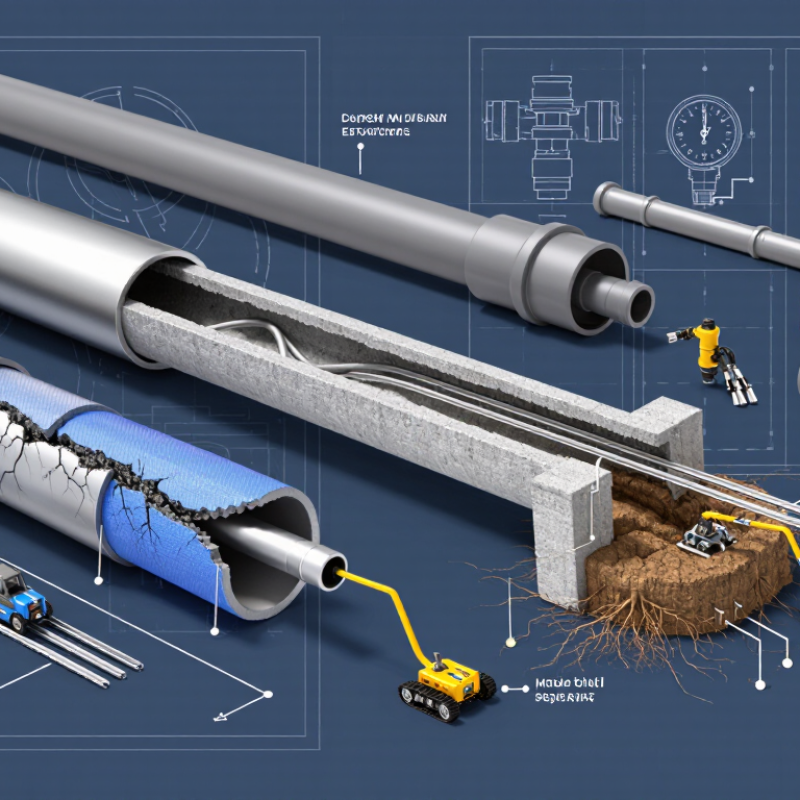
China-made internal pipe repair systems now cover several field conditions. Epoxy lining coats cleaned pipe walls and seals small cracks. Spray-applied polymer works well in man-entry chambers and irregular sections. UV-cured CIPP uses a resin liner, pulled through the pipe, then hardened with ultraviolet light. Pull-in-place CIPP suits longer runs with stable access points. Localized robotic patching repairs isolated joints without replacing the entire line. It is precise, but operator skill matters.
The U.S. Environmental Protection Agency’s 7th Drinking Water Infrastructure Needs Survey, published in 2023, estimates $625 billion in drinking-water investment needs over 20 years. ASCE’s 2021 Infrastructure Report Card rated drinking water C- and wastewater D+. These figures explain the demand for trenchless internal repairs, especially where roads, factories, or dense buildings restrict excavation. Chinese manufacturers commonly supply liners, resin systems, UV equipment, robotic cutters, and inspection cameras as coordinated packages.
Practical buyers should request resin test results, thickness records, curing data, and compatibility evidence for the target fluid. A 300-millimeter pipe may look sound from outside, yet hide severe pitting beneath deposits. Cleaning quality decides outcomes. No solution fits every pipe. Some published service-life claims also need cautious review because site temperature, moisture, and chemical exposure vary widely. Trial sections and independent inspection remain sensible before large-scale procurement.
How to Assess Pipe Damage Before Selecting a Repair Method
China Best Internal Pipe Repair Solutions for Global Buyers
How to Assess Pipe Damage Before Selecting a Repair Method
A reliable repair begins with evidence, not assumptions. Inspect the pipe’s age, material, diameter, operating pressure, and service medium. Record the leak location and measure its flow rate. Small stains can hide deeper corrosion. A camera inspection can reveal cracks, blockages, joint separation, and internal scaling. For metal pipes, ultrasonic thickness testing helps identify wall loss. Compare several readings, not one convenient result. Field conditions are rarely perfect.
The damage pattern guides the repair choice. Local pinholes may suit a targeted internal patch, while long corrosion zones may require a continuous lining system. Deformation needs careful measurement before any flexible solution is considered. Check whether the pipe can be cleaned, dried, and accessed safely. Confirm chemical compatibility with the transported fluid. Repair calculations should follow applicable engineering standards and local regulations. Keep inspection photos, test readings, and repair limits in the project file. This supports transparent decisions for global buyers.
Tips: Use a calibrated gauge and mark every test point. Ask for independent inspection when damage appears widespread. Do not trust a single camera image. It may miss defects behind deposits. Include temperature changes in your assessment. A method that works in a dry pipe may fail during active service. Leave room for uncertainty; early evaluations can be wrong, and revisiting the evidence is often the more professional choice.
China Best Internal Pipe Repair Solutions for Global Buyers
How to Assess Pipe Damage Before Selecting a Repair Method
The screening score combines commonly assessed factors such as wall-thickness loss, crack severity, leakage, deformation, and corrosion spread. Higher scores indicate greater repair urgency and may require more comprehensive inspection before selecting an internal lining, localized sealing, structural reinforcement, or pipe replacement method. Final decisions should be verified against applicable engineering codes and on-site inspection results.
Key Technologies Used in Internal Pipe Repair Systems
China Best Internal Pipe Repair Solutions for Global Buyers
Key Technologies Used in Internal Pipe Repair Systems
Modern internal pipe repair systems combine inspection, cleaning, robotic treatment, and digital verification. CCTV crawlers enter narrow pipelines and record cracks, corrosion, joint gaps, and deposits. Adjustable LED lighting helps operators inspect dark sections without excavation. The data matters. Location markers connect each defect to a repair plan and final report.
Laser profiling measures deformation with greater precision than standard video. Ultrasonic sensors can assess wall thickness where corrosion is suspected. Robotic milling tools remove roots, scale, and loose material before lining. Some systems use spray-applied resin, while others install cured-in-place liners. Controlled heating or ultraviolet curing strengthens the liner inside the existing pipe.
Quality control cannot depend on appearance alone. Technicians should monitor resin temperature, curing time, pressure, and liner thickness. A post-repair camera pass can reveal wrinkles or incomplete bonding. Yet no system is perfect. Heavy groundwater, irregular pipe shapes, or hidden structural movement may reduce repair quality. In one practical concern, a clean video image may still hide weakened pipe walls. Independent testing and clear maintenance records make purchasing decisions more reliable for global buyers.
How Global Buyers Can Evaluate Chinese Pipe Repair Suppliers
China Best Internal Pipe Repair Solutions for Global Buyers
How Global Buyers Can Evaluate Chinese Pipe Repair Suppliers
Choosing a Chinese pipe repair supplier requires more than comparing prices. Ask for evidence from projects with similar pipe diameter, material, pressure, and temperature. A reliable supplier should explain surface preparation, curing time, access limits, and expected service life. Request technical drawings, test reports, installation records, and clear warranty conditions. Documents should be traceable and consistent.
My own mistake was trusting polished project photos too quickly. They showed clean repairs, but not difficult elbows or wet working conditions. A better evaluation includes a video factory audit, independent inspection, and a sample test before mass purchasing. Discuss communication routines, spare materials, response times, and training support. Professional suppliers welcome detailed questions. Vague answers deserve another review. Compliance evidence should match the destination market and the actual repair method.
Tips: Check whether the supplier can calculate repair thickness from real operating data. Confirm resin or liner compatibility with the pipe contents. Ask for batch numbers and storage requirements. Compare at least three quotations, but do not select the cheapest offer automatically. A low price may exclude inspection, technical supervision, or emergency support. Record every promise in the contract, including acceptance criteria and delivery milestones. Then test the supplier’s response with a small, realistic order.