10 Best No Dig Pipe Repair Solutions for Efficient Plumbing Repairs?
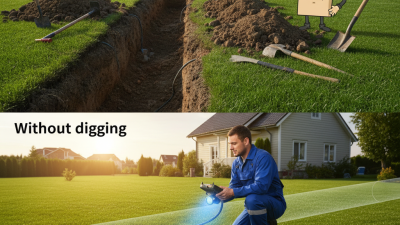
In the realm of plumbing, "no dig pipe repair" has emerged as a revolutionary solution. Renowned expert John McKenzie, a leader in pipe rehabilitation, emphasizes, "This method saves time and minimizes disruption." Traditional methods often involve extensive digging, leading to significant property damage and costly repairs.
With no dig options, homeowners can address leaks and damages swiftly. These methods include trenchless repair techniques and epoxy lining. They offer a less invasive approach, allowing for quick and efficient fixes without tearing up yards or driveways. The technology continues to evolve, presenting new opportunities for effective plumbing repairs.
Yet, not every situation may suit a no dig approach. Certain complexities in pipe damage may require traditional methods. It’s essential to assess each case individually, reflecting on the best course of action. With expert guidance, the right choice can lead to lasting repairs and peace of mind.
10 Best No Dig Pipe Repair Solutions for Efficient Plumbing Repairs
When faced with plumbing issues, digging up your yard is often the last thing you want to do. Fortunately, no dig pipe repair solutions are available. These methods allow for efficient plumbing repairs without extensive excavation. Homeowners can save time and protect their landscape with these innovative techniques.
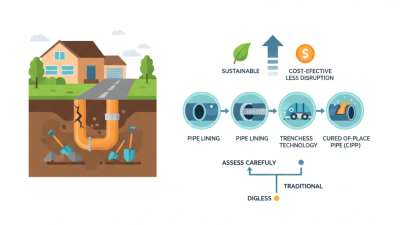
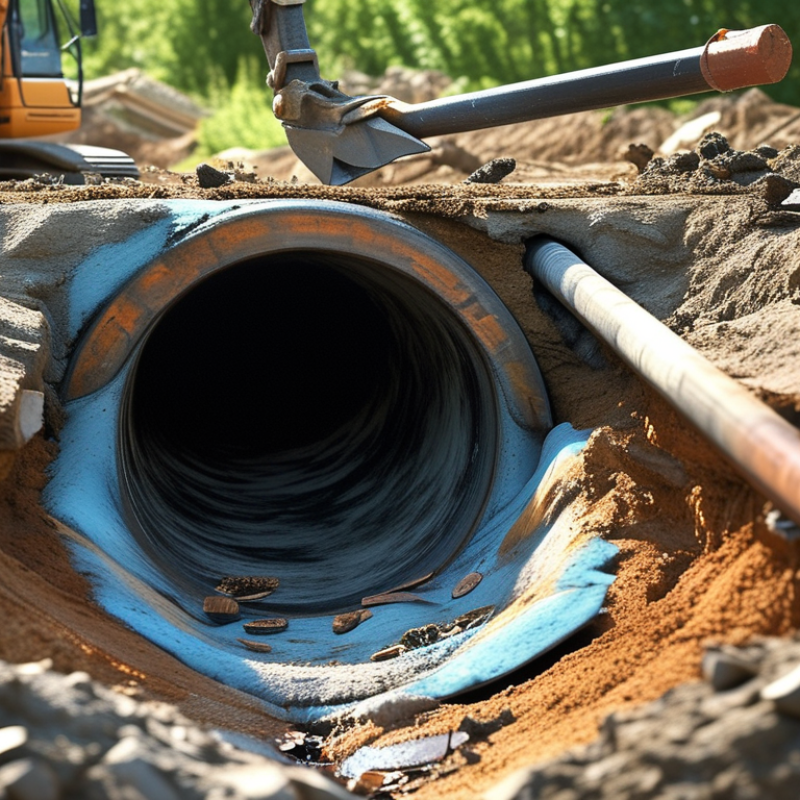
One popular method is pipe lining. This involves inserting a resin-coated liner into a damaged pipe. The resin hardens, creating a new pipe within the old one. This technique is effective for cracks and leaks. However, it may not work for severe pipe deformities. It’s vital to assess the extent of the damage before proceeding.
Another solution is pipe bursting. This method replaces old pipes with new ones by breaking them apart as a new pipe is pulled through. It can be very effective for underground plumbing systems. However, some homeowners worry about potential disruptions. Understanding your plumbing system can help ease these concerns.
**Tips:** Ensure your plumbing lines are clear before attempting repairs. Regular inspections can prevent more significant issues. Familiarize yourself with local regulations regarding plumbing repairs to avoid complications. Sometimes, a little research and preparation can save a great deal of hassle.
Understanding No Dig Technology in Modern Plumbing Repairs
No dig technology has revolutionized plumbing repairs by eliminating the need for invasive digging. This approach utilizes specialized equipment and techniques to access and repair pipes quickly. A report from the American Society of Civil Engineers notes that trenchless technology has reduced repair times by up to 75%. This means less disruption to property and quicker restoration of functionality, making it attractive for both homeowners and contractors.
Using methods like pipe relining and slip lining, no dig technology creates a new pipe within the old one. These solutions provide a reliable fix while minimizing the impact on landscaping or existing structures. Studies have shown that no dig repairs can extend the lifespan of existing pipes by 50% or more. However, not all situations are ideal for no dig methods. It's essential to assess the condition and location of the pipes to determine the best approach.
Despite the advantages, challenges remain. For instance, if there are severe blockages or multiple breaks in a line, no dig solutions may not be effective. This inconsistency highlights the need for experienced professionals to evaluate each case. Regular maintenance and inspections are crucial to maximizing the benefits of no dig technology. Keep in mind that while no dig technology offers many benefits, it doesn't replace traditional methods in every scenario. Each approach has its place in modern plumbing.
10 Best No Dig Pipe Repair Solutions for Efficient Plumbing Repairs
Comparing Cost-Effectiveness of No Dig vs. Traditional Pipe Repair Methods
No-dig pipe repair methods have gained traction due to their cost-effectiveness and efficiency. According to a report from the International Society of Trenchless Technology, no-dig repairs can save homeowners between 30% to 50% compared to traditional methods. Traditional repairs often involve extensive excavation, which can lead to increased labor costs and prolonged service interruptions. In contrast, trenchless techniques minimize disruption to landscaping and existing structures.
Cost analysis shows that while traditional methods can range from $50 to $300 per foot, no-dig repairs typically cost around $40 to $150 per foot. This significant difference highlights the affordability of no-dig solutions. Moreover, no-dig methods often result in less waste and reduced cleanup costs. However, it’s important to note that no-dig solutions may not be suitable for all types of pipe damage. There are instances where thorough inspection is necessary to determine the best approach.
Many professionals advocate for routine assessments and quick responses to pipe issues. This approach can enhance the lifetime of plumbing systems. The National Association of Plumbing Contractors emphasizes the need for regular maintenance over reactive repairs. This preventative strategy often outweighs the apparent savings from the initial lower costs of no-dig repairs. Understanding the case-by-case nature of plumbing issues is essential for optimal outcomes in plumbing maintenance.
Key Materials Used in No Dig Pipe Repair and Their Advantages
No dig pipe repair solutions offer efficient ways to fix plumbing issues without extensive excavation. The key materials used in these methods include epoxy resins, inflatable bladders, and perforated pipes. Each material has its own advantages. For instance, epoxy resins create a strong bond and are resistant to corrosion, making them ideal for long-lasting repairs.
Inflatable bladders are versatile tools. They can reshape the pipes while providing support during the curing process. Perforated pipes allow for improved drainage and can be inserted quickly into existing pipes. When used correctly, these materials significantly reduce repair time and costs.
Tips: Always assess the type of pipe and the extent of damage before selecting materials. Some pipe issues may require a combination of methods. Regular maintenance can help prevent future problems. Always consult a professional if uncertain. Experience is crucial in avoiding costly mistakes.
Step-by-Step Guide: How to Choose the Right No Dig Pipe Repair Solution
When selecting a no dig pipe repair solution, consider the extent of the damage. Minor leaks may only need a patch, while severe fractures require a more comprehensive approach. Evaluate the materials used in the repair method. Some options use resin, while others rely on specialized sleeves. Each has its strengths and weaknesses, impacting durability and effectiveness.
Think about the location of the pipe as well. If it’s underground or behind walls, certain methods may be more practical. Look for solutions that minimize disruption. A good no dig method should reduce the need for extensive excavation, saving both time and effort. Always assess whether you have the tools and skills needed for the repair, or if professional help is necessary. Balancing cost and efficiency is crucial.
Keep in mind that not all suppliers may provide consistent quality. Researching reviews from other users can help gauge reliability. It’s important to stay aware of the longevity of your chosen repair solution. Over time, some repairs may need revisiting. Reflect on the long-term benefits versus short-term convenience when making your decision.