Essential Tips for Effective Internal Pipe Repair Techniques?
Internal pipe repair is a crucial maintenance practice in many industries. Proper techniques can prevent costly damage and ensure safety. Effective internal pipe repair requires knowledge and experience. It is vital to choose the right methods based on pipe material and damage extent.
Understanding the types of repairs is essential. Techniques vary from patching and relining to complete replacements. Each method has its strengths and weaknesses. Assessing the situation before choosing a technique can save time and money. Knowing the limitations of your tools and materials is equally important.
Maintaining integrity throughout the pipe system is critical. Regular inspections help identify potential issues early. However, many repairs might not hold up under pressure. This can lead to recurring problems. Developing a reliable strategy can mitigate these risks and enhance the longevity of your infrastructure.
Understanding Common Types of Pipe Damage and Their Causes
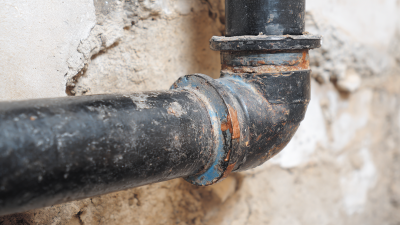
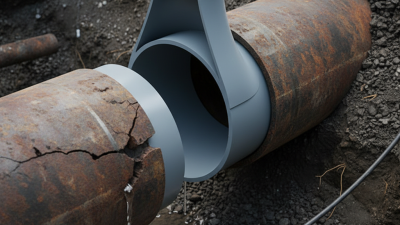
Understanding the common types of pipe damage is crucial for effective internal pipe repair techniques. Corrosion, for example, affects over 50% of pipelines, leading to leaks and extensive damage. It occurs when pipes are exposed to moisture and chemicals. The older the pipe, the higher the risk of corrosion. Signs include discoloration and unexplained wet spots.
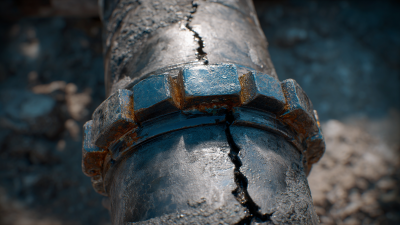
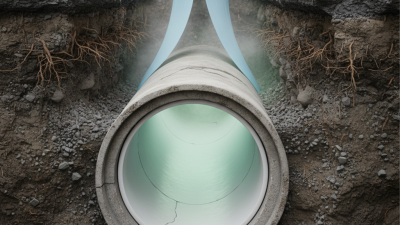
Another frequent issue is cracks and fractures, often caused by shifting soil, temperature changes, and improper installation. Studies indicate that nearly 30% of pipe failures stem from these structural issues. Cracks can develop slowly, making them hard to detect. Regular inspections can reveal hidden fractures before they escalate.
Blockages also present significant challenges. Accumulation of debris, tree roots, or mineral buildup can impede water flow, leading to pressure buildup. In fact, 20% of plumbing issues reported are due to blockages. Addressing these problems early is vital to prevent further damage and costly repairs. Implementing a proactive maintenance plan is key.
Assessing the Extent of Damage for Effective Repair Planning
Assessing the extent of damage is crucial for effective internal pipe repair. Start by locating the source of the issue. Use tools like moisture meters for accuracy. Identifying leaks early can save time and money. Look for signs such as water stains or rust. These can indicate underlying problems.
Next, document the damage. Take photos and notes for reference. This will help in planning the repair strategy. It's essential to estimate the severity of the damage. Minor issues might require simple patching, while severe cases may need replacement. Always consult a professional if unsure.
When deciding on repair techniques, consider the pipe material. Different materials require different approaches. It's also vital to gather the right tools. Poor preparation can lead to mistakes. Remember, repairing pipes can be messy. Be ready for unexpected challenges.
Step-by-Step Guide to Temporary and Permanent Repair Solutions
Internal pipe repairs can seem daunting, but with the right techniques, you can tackle leaks and blockages effectively. For temporary solutions, one common method is to use pipe repair tape. This tape helps seal leaks quickly. Simply clean the area, wrap the tape around the damaged section, and ensure it's tight. This method is straightforward but remember, it is not a long-term fix.
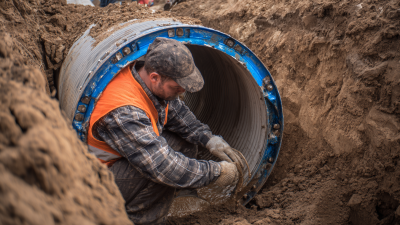
For permanent repairs, consider using epoxy putty or pipe fittings. Start by cleaning the damaged area thoroughly. Mix the epoxy as instructed and apply it generously to the leak. For fittings, cut the damaged section out, and install the new piece securely. Adapting your approach based on the severity of the damage is crucial. Some repairs can be more involved than others, so be ready to adjust your plans as needed. Always keep safety in mind. Proper gear, like gloves and goggles, can prevent accidents.
Essential Tools and Materials for Internal Pipe Repair Techniques
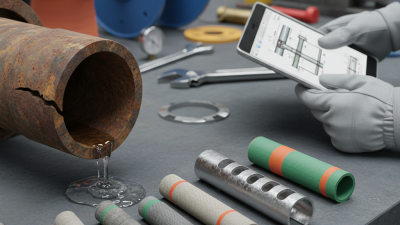
Effective internal pipe repair requires the right tools and materials. Specialized tools can make the process smoother and faster. Common equipment includes pipe inspection cameras, which help identify leaks and damage. According to a report by the American Society of Plumbing Engineers, 30% of plumbing issues arise from hidden leaks.
Another essential tool is a pipe cutter, which ensures clean cuts when replacing sections. Precision is vital; a poorly cut pipe can lead to further issues. Additionally, repair clamps and patch kits are important for quick fixes. Studies indicate that quick-response repairs can save property owners up to 50% in potential damage costs.
Materials used in repairs must be durable. Epoxy resins and sealants can provide strong, long-lasting bonds. Choosing the right material based on the pipe type is crucial. Polyvinyl chloride (PVC) and copper pipes often require different approaches and products. Inadequate material selection can lead to more leaks in the future, emphasizing the need for skilled assessments.
Essential Tools and Materials for Internal Pipe Repair Techniques
| Tool/Material |
Description |
Uses |
Safety Measures |
| Pipe Inspection Camera |
A waterproof camera to view the interior of pipes |
Identifying blockages or damage |
Use with caution in confined spaces |
| Epoxy Pipe Lining |
A resin-based lining for pipe repair |
Sealing leaks and preventing corrosion |
Use gloves to avoid skin contact |
| Pipe Wraps |
A self-adhering tape for sealing leaks |
Quick repairs for minor leaks |
Ensure surface is clean and dry |
| Wrenches |
Tools to tighten or loosen pipe fittings |
Installing and removing pipes |
Wear gloves to improve grip |
| Pipe Cutter |
A tool to cut pipes cleanly and easily |
Preparing pipes for repairs |
Use safety goggles to protect eyes |
Best Practices for Preventing Future Pipe Damage After Repairs
Internal pipe repairs are crucial for maintaining a facility’s efficiency. However, the work doesn't end once the repair is completed. Preventing future damage is equally important. According to industry reports, about 70% of pipe failures can be traced back to corrosion issues. Regular maintenance checks can identify weak points before they turn into costly repairs.
Using high-quality materials during repair is critical. Experts recommend choosing pipe linings that resist corrosion and stress. A study by the National Association of Plumbing Professionals indicated that using the right sealants can extend pipe life by 30%. Additionally, adequate insulation can prevent temperature fluctuations that lead to condensation and eventual rust.
Monitoring water quality is also essential. Water that is too acidic can accelerate corrosion. Implementing a water treatment system can mitigate these risks. Organizations often overlook routine inspections. Yet, data shows that systems with regular assessments can decrease unexpected pipe failures by up to 50%. Keeping records of repairs and maintenance helps in recognizing patterns and improving overall pipe health.