China Top Sewer Line Repair Without Digging Solutions?
China has become a significant source of trenchless sewer technologies, equipment, and rehabilitation services. This guide examines China’s top sewer line repair without digging solutions, focusing on practical performance rather than attractive marketing claims. Homeowners, municipalities, and contractors can compare pipe lining, cured-in-place pipe systems, robotic cutting, and pipe bursting methods.
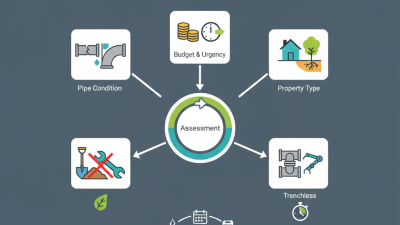
A reliable assessment begins with evidence. Technicians should inspect the line with a camera before recommending repairs. The monitor may reveal tree roots, collapsed sections, grease buildup, or separated joints. Small access points can sometimes replace extensive excavation, protecting driveways, gardens, and paved roads. Resin liners may create a new pipe inside the damaged one. Robotic tools can remove obstructions with controlled precision. However, conditions differ greatly between properties.
Experience matters here. Soil movement, pipe material, diameter, water flow, and access depth can change the final result. A qualified provider should explain preparation, equipment, curing time, expected service life, and maintenance requirements. Independent testing, project records, warranties, and clear pricing also support trustworthy decisions. No method works everywhere.
That point deserves attention. Some projects still require excavation. A polished product brochure cannot replace a site survey or engineering judgment. Chinese manufacturers may offer efficient and innovative systems, but buyers should verify certifications, installation training, material quality, and local technical support. This overview aims to provide a balanced starting point, while recognizing that real-world repair outcomes can be less predictable than advertised.
What Is Trenchless Sewer Line Repair?
What is trenchless sewer line repair?
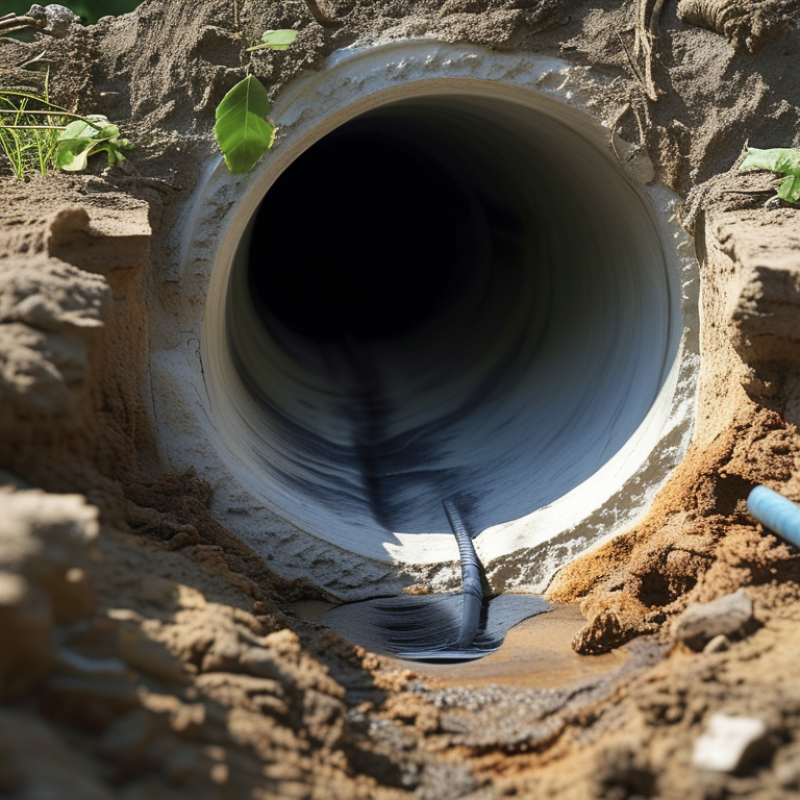
Trenchless sewer line repair fixes or replaces buried pipes through small access points, rather than a continuous open trench. In China, this approach suits crowded streets, paved courtyards, and properties with mature trees. Workers usually inspect the line with a waterproof camera before choosing a method. They check cracks, root intrusion, blockages, pipe alignment, and soil conditions. That evidence matters.
Common methods include cured-in-place pipe lining and pipe bursting.
With CIPP, technicians clean the existing pipe and insert a resin-coated liner. Heat or water cures the liner, forming a new pipe inside the damaged one.
Pipe bursting breaks the old pipe while pulling a replacement pipe through the same route.
Both methods can reduce excavation, noise, dust, and surface damage. The work still needs trained personnel, accurate measurements, and controlled pressure.
Trenchless work is not magic.
A camera may miss hidden voids or severe ground movement. Very collapsed pipes may need excavation. I have seen repair plans change after cleaning exposed unexpected damage. That is why reliable contractors document inspection footage, pipe sizes, access points, and testing results.
Engineers should verify flow capacity and local site conditions before approval. Property owners should ask about warranties, curing records, and post-repair inspection. Clear records protect everyone. The best solution may still be partial replacement, depending on the pipe’s condition and surrounding soil.
Why Choose China for No-Dig Sewer Solutions?
China offers a deep manufacturing base for trenchless sewer repair equipment, liners, resin systems, and inspection tools. Its large domestic market creates practical field experience. The China Urban Construction Statistical Yearbook 2022 reported more than one million kilometers of urban drainage pipelines. That scale encourages continuous testing in dense cities, industrial zones, and older residential districts.
No-dig work depends on accurate diagnosis. Chinese contractors commonly combine CCTV inspection, laser profiling, robotic cutting, and pressure testing before selecting a repair method. Cured-in-place lining can restore cracked pipes without opening roads, while localized injection suits smaller leaks. The Global Water Intelligence Global Water Market 2024 report identifies aging infrastructure as a major driver of rehabilitation investment worldwide. China’s broad project pipeline can support shorter equipment lead times and flexible production.
The details matter.
However, low price alone is not proof of quality. A supplier should provide resin certificates, liner thickness calculations, curing records, and independent test results. Projects should also follow applicable local codes and ISO 11296 principles for non-pressure pipelines. Field conditions can expose weak planning: unknown pipe bends, groundwater, poor cleaning, or incomplete CCTV records. That is where experience becomes visible. Buyers need site surveys, trial sections, and measurable acceptance criteria, not attractive promises. I have seen schedules fail when access planning was treated as a minor detail.
Key Types of Trenchless Sewer Repair Technologies
China Top Sewer Line Repair Without Digging Solutions?
Trenchless sewer repair reduces surface damage by working through existing access points. The right method depends on pipe material, diameter, depth, flow, and structural condition. A CCTV inspection should come before any proposal. It reveals root intrusion, cracks, displaced joints, and hidden sagging. Even experienced crews can misread a damaged line without flow testing.
Cured-in-place pipe lining, or CIPP, inserts a resin-coated liner inside the damaged pipe. Heat or steam cures it into a continuous inner pipe. It works well for cracks, corrosion, and leaking joints. However, severe collapse may prevent proper installation. Cleaning quality matters greatly. Small debris can create wrinkles or weak spots.
Pipe bursting replaces a failed pipe by pulling a new pipe through the old route. It suits heavily damaged lines and can increase capacity. Slip lining places a smaller pipe inside the existing one, but reduces internal diameter. Robotic cutters remove roots and blockages with precise control. Short sections may receive spot repairs or lateral liners. These options need careful assessment. Soil movement, access limits, and nearby utilities can change the plan. Sometimes, a no-dig solution is not the safest choice. That deserves honest review.
China Top Sewer Line Repair Without Digging Solutions
Typical pipe diameter ranges for key trenchless sewer repair technologies
Cured-in-place pipe lining is suitable for a broad range of sewer diameters and is commonly used for continuous rehabilitation. Pipe bursting is effective when the existing pipe must be replaced or upsized, while sliplining uses a smaller carrier pipe inside the host pipe. Lateral lining is designed mainly for smaller service connections. Actual limits depend on pipe condition, access, material, alignment, and project specifications.
How a No-Dig Sewer Repair Project Works
A no-dig sewer repair project begins with evidence, not excavation. Technicians inspect the pipe using a waterproof camera, tracing cracks, displaced joints, roots, and standing water. They record pipe diameter, depth, access points, and flow direction. A cleaning crew removes grease, silt, and loose debris with controlled water pressure. This stage can reveal a harder truth: a liner cannot correct a collapsed or badly deformed section. The plan may change before materials arrive. That pause protects the property and public system.
For a repairable line, workers insert a flexible resin-coated liner through an existing manhole or cleanout. The liner is pulled or inverted into the damaged pipe, then pressed tightly against its inner wall. Heat or ambient curing hardens the resin into a continuous new pipe. Technicians monitor temperature, curing time, and pressure throughout the process. Service connections are reopened with remote cutting tools. There is very little surface disruption. In dense Chinese cities, this can reduce road closures and damage to gardens or floors.
Quality control continues after curing. A second camera inspection checks wrinkles, gaps, open connections, and water flow. Operators may perform leak testing where local requirements demand it. Records should include photographs, measurements, resin details, and curing data. No-dig work is not maintenance-free. Severe settlement, recurring root intrusion, or poor drainage can shorten the repair’s life. Experienced contractors should explain these limits clearly, because a fast installation is not always a sound sewer solution.
How to Select the Best China-Based Sewer Repair Solution
Selecting the best China-based sewer repair solution starts with evidence, not a low quotation. The U.S. EPA’s 2022 Clean Watersheds Needs Survey estimated over $630 billion in national clean-water infrastructure needs. Aging collection systems remain a major cost burden. China-based suppliers can offer competitive trenchless equipment, CIPP lining, pipe bursting, and robotic inspection. However, the method must match the pipe’s material, diameter, depth, flow, and surrounding soil.
Ask for recent project records, inspection videos, material test reports, and clear warranty terms. A qualified supplier should explain resin curing time, liner thickness, pressure limits, and installation tolerances. Request independent testing under recognized standards, such as ISO, ASTM, or equivalent Chinese standards. Site experience matters. One supplier may perform well in dense urban streets, yet struggle with groundwater or heavily collapsed pipes. I would not approve a solution from paperwork alone. A short field trial can expose weak assumptions.
Tips: Use CCTV before pricing. Confirm bypass pumping capacity. Compare total lifecycle cost, not only installation cost. Check technician training and local response time. Keep spare parts available. Ask who handles failed curing or unexpected obstructions. The ASCE 2021 Infrastructure Report Card rated wastewater infrastructure D+, showing why delayed repairs can become expensive. Still, trenchless work is not automatically better. Some severely deformed lines need excavation. Good selection requires honest limits, measurable tests, and a repair plan that workers can safely repeat.
China Top Sewer Line Repair Without Digging Solutions? - How to Select the Best China-Based Sewer Repair Solution
| Trenchless Solution | Typical Sewer Diameter | Suitable Pipe Problems | Required Access | Excavation Requirement | Typical Service-Life Target | Main Advantages | Key Limitations |
|---|---|---|---|---|---|---|---|
| Cured-in-Place Pipe (CIPP) | Commonly about 150–1,500 mm; larger sizes require project-specific design | Cracks, infiltration, corrosion, joint leakage, moderate deformation and general deterioration | Existing manholes or access shafts; the host pipe must generally be accessible for cleaning and inspection | Usually no continuous trench; localized excavation may be needed for access or severe obstructions | Often designed for approximately 50 years or more, subject to structural calculations, resin system and installation quality | Creates a continuous corrosion-resistant liner; suitable for long sewer runs and irregular joints | Reduces internal diameter; requires bypass pumping, cleaning, curing control and odor management |
| Pipe Bursting | Commonly used for approximately 100–1,000 mm, depending on soil, alignment and equipment | Severe cracking, collapse, capacity upgrades and replacement of structurally failed pipes | Launching and receiving pits are normally required; existing manholes may not provide sufficient working space | Requires localized pits rather than a continuous trench; utility congestion can increase excavation | Determined by the replacement pipe material, design life and installation conditions | Allows upsizing and installs a new pipe rather than leaving the defective host pipe in service | May disturb nearby utilities or structures; unsuitable where the existing alignment cannot tolerate ground displacement |
| Sliplining | Commonly used from approximately 150 mm upward, subject to access and insertion length | Corrosion, leakage and structural deterioration where the host pipe remains sufficiently open | Insertion and receiving access points; long, straight sections are generally preferred | Usually limited to access pits or manhole modifications | Depends on the new liner pipe material, wall thickness, joints and structural design | Uses a factory-manufactured pipe with predictable material properties and joint performance | Reduces flow area; annular space may require grouting, and tight bends can restrict installation |
| Spray-in-Place Lining | Commonly applied to approximately 150–1,200 mm, depending on equipment and coating system | Surface corrosion, infiltration and localized deterioration where the host pipe retains adequate structural capacity | Manholes or access openings suitable for robotic or spray equipment | Normally no continuous excavation | Varies widely by coating chemistry, thickness, substrate preparation and exposure conditions | Can preserve more internal diameter than thicker liners and may suit complex geometries | Does not automatically provide full structural renewal; surface preparation and thickness control are critical |
| Robotic Point Repair | Commonly used for small to medium diameter defects accessible by crawler equipment | Isolated cracks, open joints, root intrusion, holes and localized connection defects | Manholes or cleanouts large enough for inspection and repair equipment | Normally no excavation unless access is unavailable or the defect is beyond the repair area | Project-specific; generally intended for localized repair rather than full-pipe renewal | Efficient for limited defects and avoids replacing an otherwise serviceable pipe | Not economical for extensive deterioration, multiple defects or long continuous failures |
| Lateral Lining | Commonly used for building laterals and small sewer connections, often below 300 mm | Leaking joints, cracks and root intrusion in service connections or lateral pipes | Access through a cleanout, internal floor drain, inspection chamber or mainline connection | Usually no excavation, provided a suitable access point exists | Depends on liner material, installation method, curing process and design requirements | Treats difficult-to-access laterals and can reduce surface disruption to buildings and roads | Access, bends, diameter changes and connection reinstatement can complicate installation |
Selection Criteria for a China-Based Sewer Repair Supplier
| Evaluation Dimension | What to Verify | Recommended Evidence | Why It Matters |
|---|---|---|---|
| Technical suitability | Compatibility with pipe diameter, material, flow condition, bends, groundwater and defect type | Site survey, CCTV report, hydraulic data and a method statement | Prevents selecting a method that cannot handle the actual pipe condition |
| Quality management | Material traceability, batch control, installation records and non-conformance procedures | Quality plan, inspection checklist, material certificates and curing records | Quality control directly affects liner strength, adhesion and long-term performance |
| Testing and inspection | Verification of thickness, cure, leakage, dimensional accuracy and post-repair condition | Pre- and post-repair CCTV, sample testing, pressure or leakage tests and acceptance records | Provides measurable proof that the completed repair meets the project specification |
| Standards and compliance | Applicable international, national and project-specific sewer rehabilitation requirements | Technical datasheets, conformity documents and references to the specified testing standards | Ensures the proposed system can be accepted by the owner, consultant and local authority |
| Installation capability | Availability of trained technicians, curing equipment, bypass systems, inspection tools and site supervision | Project organization chart, equipment list, training records and comparable project experience | A suitable product can still fail if installation controls are inadequate |
| Export and logistics | Packaging, shelf life, hazardous-material transport, customs documents and delivery lead time | Packing list, safety data sheets, shipping documents and storage instructions | Controls delays, material degradation and import-related project risks |
| Warranty and support | Warranty scope, exclusions, response time, spare parts and technical support after installation | Written warranty terms, commissioning plan and after-sales service procedure | Clarifies responsibility if defects or installation issues appear after completion |
Note: Diameter ranges, service-life targets and access requirements are typical engineering ranges rather than guaranteed values. Final selection should be based on a site investigation, CCTV inspection, hydraulic assessment, structural design and project specifications.
Related Posts
-
2026 How to Choose No Dig Sewer Repair Solutions?
-
Ultimate Guide to Effective Pipe Sleeve Repair Solutions for Global Procurement
-
Top 10 Well Casing Solutions for Global Buyers?
-
2026 How to Effectively Perform Sewer Pipe Sleeve Repair Techniques?
-
How to Repair Pipes without Digging for Quick Solutions?
-
Creative Options for Sewer Repair Without Digging Methods You Should Consider