Top 10 Well Casing Solutions for Global Buyers?
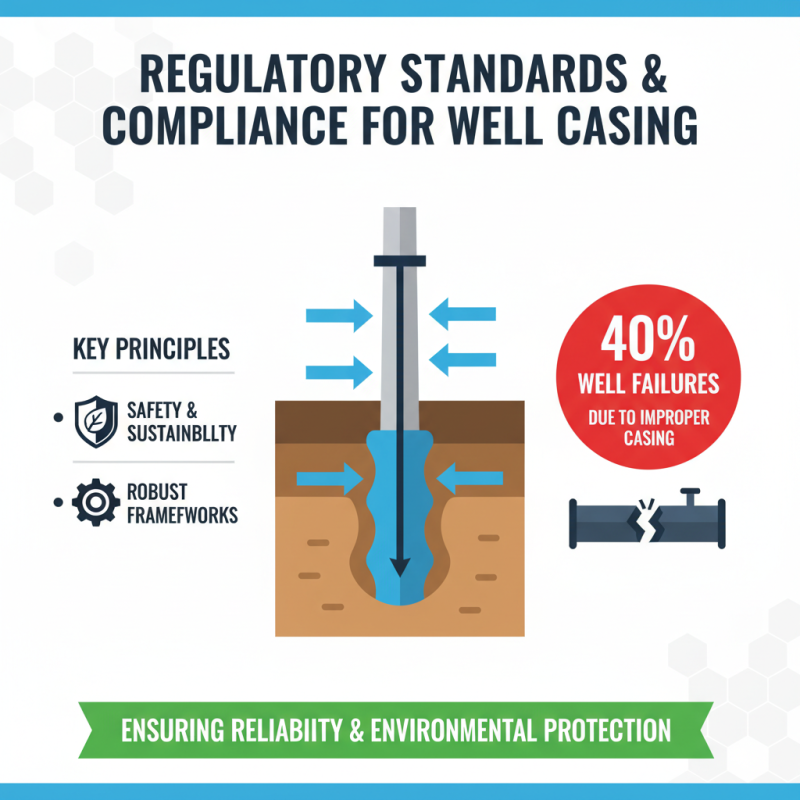
The global demand for well casing solutions continues to rise, driven by the need for efficient water and oil extraction. Well casing plays a critical role in safeguarding the integrity of boreholes. It protects groundwater from contamination and ensures the structural integrity of wells.
Many buyers are uncertain about which well casing options meet their specific needs. Various factors influence the choice of materials and designs. Understanding these factors is essential for both safety and efficiency in drilling operations. In an industry that heavily relies on durability and quality, the choices available can be overwhelming. However, this article aims to clarify the top well casing solutions favored by buyers worldwide.
By examining practical details and real-world applications, we will explore industry-leading products and technologies. There may be some missteps in selecting well casing, highlighting the importance of informed decision-making. In a complex market, we strive to present reliable options that prioritize both performance and safety.
Overview of Well Casing Solutions and Their Importance
Well casing solutions play a crucial role in the drilling and production of oil and gas. They provide structural integrity and protect groundwater resources. The global well casing market is expected to grow significantly, with reports projecting a compound annual growth rate (CAGR) of over 4% through 2027. This growth underscores their necessity.
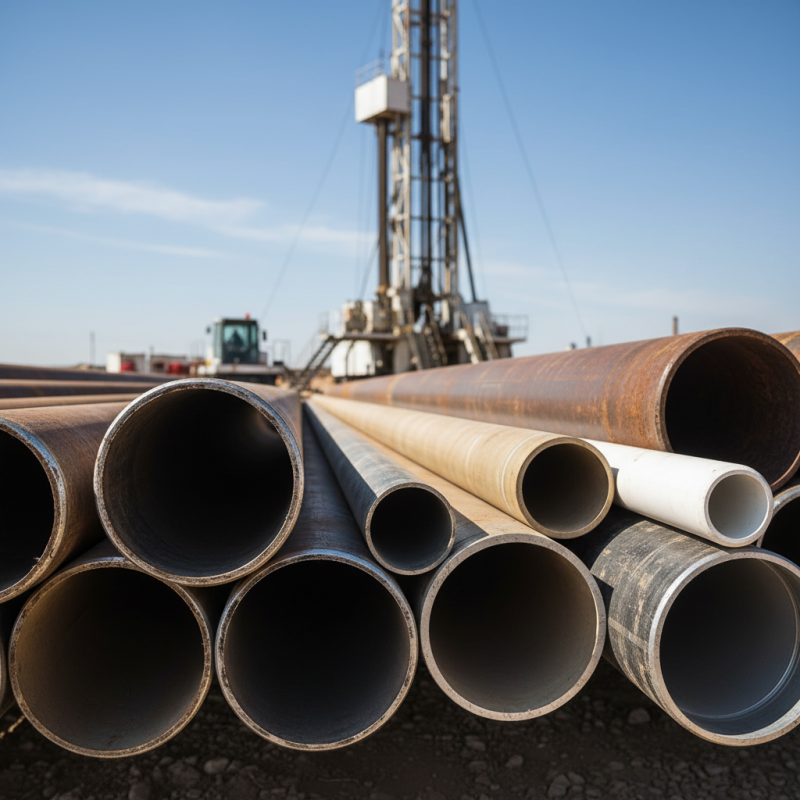
Understanding the types of casing materials is essential. Steel is commonly used for its durability, while PVC can be a lighter alternative. The choice between these materials often hinges on the well's depth and environmental conditions. A report by the International Energy Agency highlights that improper casing installation can lead to costly remediation efforts. This reveals the importance of choosing reliable casing solutions.
Tip: When selecting well casing, consider geological factors and well depth. Consult with industry experts to identify the best materials for your specific needs. It’s important to evaluate all aspects since the wrong choice can lead to structural failures. Regularly reviewing the performance of your well casing can help identify potential issues before they escalate.
Top 10 Well Casing Solutions for Global Buyers
| Solution Name |
Material |
Diameter (inches) |
Weight (lbs/ft) |
Applications |
Corrosion Resistance |
| Steel Casing |
Carbon Steel |
4.5 |
10 |
Oil and Gas |
Moderate |
| Fiberglass Casing |
Fiber Reinforced Polymer |
6 |
5 |
Water Wells |
High |
| PVC Casing |
Polyvinyl Chloride |
2 |
2.5 |
Environmental Monitoring |
Yes |
| Lead Casing |
Lead |
8 |
20 |
Nuclear Waste |
Excellent |
| Aluminum Casing |
Aluminum Alloy |
5 |
7 |
Geothermal |
Moderate |
| Fiberglass Rebar Casing |
Fiberglass |
4.5 |
12 |
Civil Engineering |
High |
| High-Density Polyethylene |
HDPE |
6 |
3 |
Stormwater Management |
Yes |
| Stainless Steel Casing |
Stainless Steel |
12 |
15 |
Chemical Storage |
Excellent |
| Copper Casing |
Copper |
3 |
8 |
Electrical Conduits |
High |
| Bentonite Casing |
Bentonite Clay |
Variable |
Variable |
Environmental Sealing |
Moderate |
Key Materials Used in Well Casing Construction
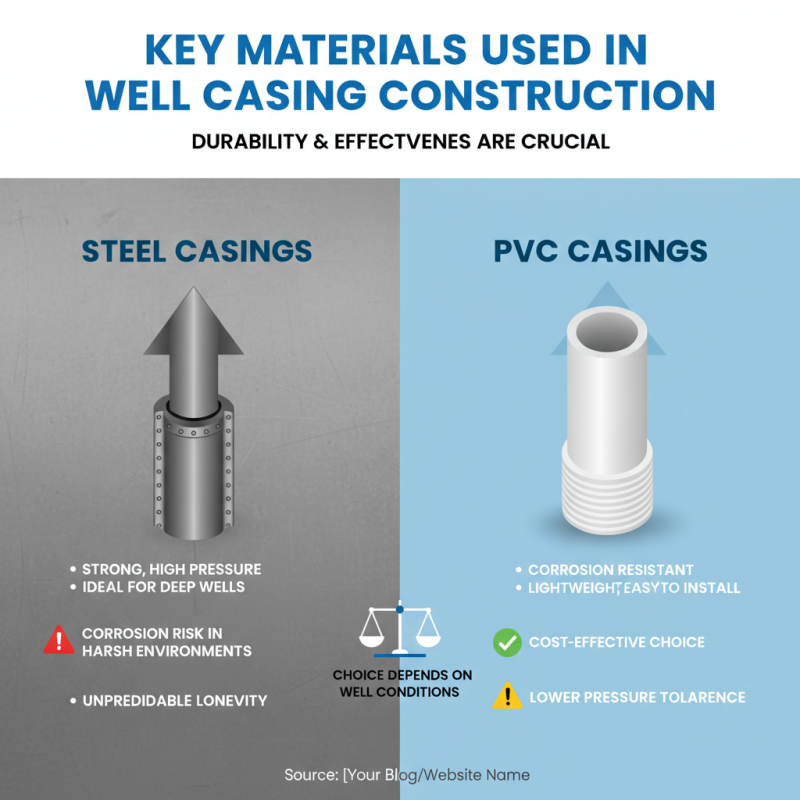
When considering well casing solutions, the choice of materials is crucial for durability and effectiveness. Steel and PVC remain popular. Steel casings are strong and can withstand high pressures, making them ideal for deep wells. However, they can corrode over time, especially in harsh environments. This unpredictability can be a significant concern for buyers.
On the other hand, PVC casings offer excellent resistance to chemicals and are lightweight. They are easier to install and handle. Yet, they are not as strong as steel, which raises questions about their longevity in certain conditions. Buyers must weigh the trade-offs and impacts of their material choices meticulously.
Other materials like fiberglass are emerging in the well casing market. Fiberglass provides corrosion resistance and is lightweight, but its strength may fall short compared to traditional options. These factors can complicate decisions for global buyers. Navigating these materials' advantages and challenges can lead to better long-term investments.
Top Manufacturers and Suppliers of Well Casing Products
In the exploration and production of oil and gas, well casing plays a pivotal role. It ensures the structural integrity of wells and provides protection against environmental contamination. A recent market research report estimates the global well casing market to reach $12 billion by 2026, driven by rising energy demands and advancements in drilling technologies. Top manufacturers focus on providing durable materials like steel and composite polymers, enhancing the lifecycle of wells.
Professionals in the field emphasize the importance of selecting the right casing sizes and materials. An improper choice can lead to costly failures and environmental hazards. Operating conditions, such as temperature and pressure, significantly impact these decisions. Understanding geological formations can save both time and money.
Tip: Regular training sessions for drilling teams can improve knowledge about casing standards. Encourage open discussions on past casing failures for valuable learning. It’s essential to use dependable suppliers to ensure quality and compliance.
Careful evaluation of various suppliers is necessary. Many companies offer similar products, but factors like service and technical support can vary significantly. The right partner should provide comprehensive support throughout the lifecycle of a well. Data suggests that establishing strong relationships with suppliers leads to improved project outcomes and reduced operational risks.
Top 10 Well Casing Solutions
Future Trends in Well Casing Technologies and Solutions
The landscape of well casing technologies is evolving rapidly. According to a report by the International Energy Agency, innovative materials and techniques are emerging to improve longevity and safety. More than 40% of oil and gas companies are investing in advanced casing solutions. These methods not only enhance operational efficiency but also contribute to environmental sustainability.
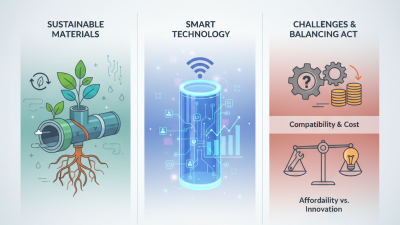
Recent developments show a shift towards composite and thermoplastic casings. These materials offer better corrosion resistance and lighter weights, reducing transportation costs. For instance, a study from the Society of Petroleum Engineers highlights that using composite materials can decrease casing weight by up to 30%. Yet, the performance under extreme conditions remains under evaluation.
Another trend is the implementation of real-time monitoring technologies. This approach enhances safety by predicting potential casing failures before they occur. Reports indicate that companies using these technologies can expect a 15% reduction in unexpected maintenance costs. However, the initial investment and integration challenges can be a barrier for smaller firms. The balance of cost versus long-term benefit continues to spark debate within the industry.