Why Choose Knurled Thumb Screws for Your Projects?
When it comes to assembly and manufacturing, choosing the right fasteners is crucial. Knurled Thumb Screws are an excellent option for various projects, providing ease of use and reliable performance. According to Mark Wilson, a leading expert in fastening technology, “Knurled Thumb Screws offer the perfect blend of grip and adjustability.” This quality makes them ideal for both professionals and DIY enthusiasts.
These screws feature a textured surface, allowing for a firm grip. Users can easily tighten or loosen them without the need for tools. This functionality enhances efficiency during assembly tasks and repairs. Moreover, Knurled Thumb Screws come in different materials, such as stainless steel or plastic, catering to diverse applications.
However, one must consider specific project requirements before choosing Knurled Thumb Screws. Some users may find them less suited for high-tension applications. Careful evaluation is necessary to ensure the best results. In the end, understanding the strengths and limitations of Knurled Thumb Screws is essential for any successful project.
Understanding Knurled Thumb Screws and Their Applications
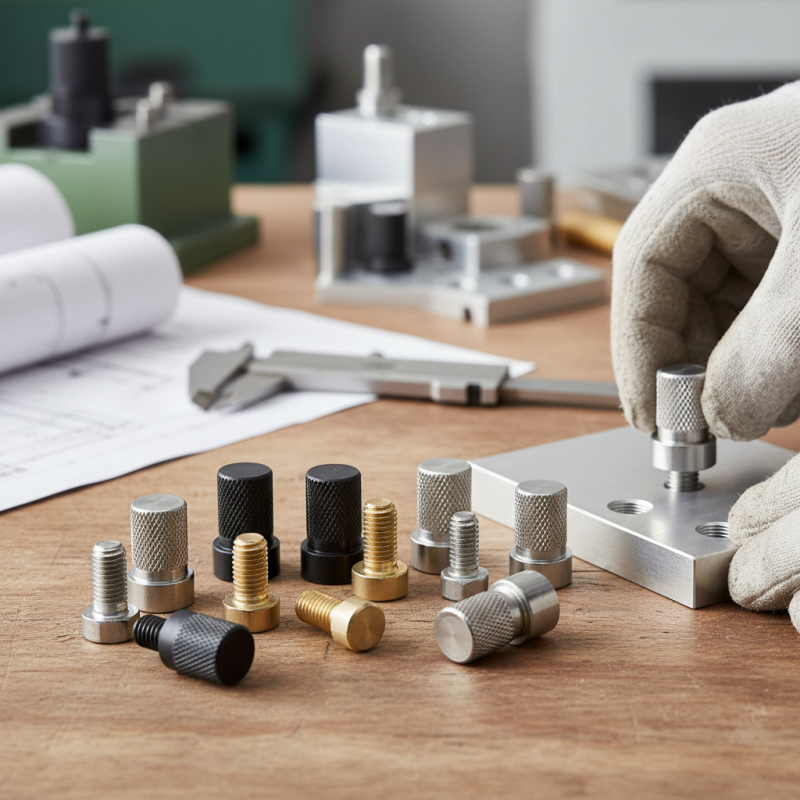
Knurled thumb screws offer a unique solution for various projects. They are designed for easy hand tightening. This feature is especially valuable in applications where quick adjustments are necessary. Often made of durable materials, they resist wear over time. They come in different sizes, making them versatile for various tasks.
Commonly used in woodworking and electronics, knurled thumb screws enhance user experience. Their textured surfaces provide a firm grip, allowing for easy manipulation. They can hold components together securely, ensuring stability in constructions. However, their performance can be affected by improper installation. If not tightened correctly, they may loosen during use, which can be frustrating.
These screws find applications in furniture assembly, machinery, and even DIY projects. They are useful but may not always be the best option for every scenario. It is essential to consider load requirements and environmental factors. In some cases, standard screws might be more reliable. The choice depends on project specifics. Assessing these elements can lead to better outcomes in your work.
Why Choose Knurled Thumb Screws for Your Projects?
| Application | Material | Size Range | Advantages |
| Electronics Assembly | Stainless Steel | M2 to M6 | Corrosion-resistant, easy to adjust |
| Furniture Assembly | Aluminum | M3 to M8 | Lightweight, aesthetic finish |
| Automotive Industry | Brass | M5 to M10 | Durable, excellent grip |
| DIY Projects | Plastic | M2 to M4 | Non-corrosive, adjustable |
Advantages of Using Knurled Thumb Screws in Various Projects
Knurled thumb screws are gaining popularity in various projects. They offer a unique blend of functionality and ease of use. The textured surface allows for a secure grip. This can be especially useful in tight spaces where tools may not fit. With these screws, adjustments can be made quickly and efficiently.
One significant advantage is their versatility. They can be used in furniture assembly, electronics, and even DIY projects. Their design minimizes the need for extra tools. This makes them appealing for both professionals and hobbyists. However, sometimes users may overlook their strength. Knurled thumb screws can be less durable than traditional screws. It’s essential to assess your project's requirements carefully. Using them in heavy-duty applications might not yield the best results.
Another aspect to consider is the aesthetic appeal. Knurled thumb screws can enhance the look of your project. They come in various finishes and sizes. Yet, some designs may not suit all styles. It’s vital to choose screws that complement your overall design. Reflecting on these aspects can greatly improve the outcome of your project.
Key Materials and Designs of Knurled Thumb Screws
Knurled thumb screws are a popular choice in various projects due to their unique designs and materials. Typically made from stainless steel, aluminum, or plastic, these screws offer durability and corrosion resistance. Stainless steel provides strength, while aluminum is lightweight. Plastic options can be useful for non-corrosive environments. The choice of material often depends on the specific application.
The design of knurled thumb screws allows for easy hand operation. The textured surface provides a better grip, making it simple to tighten or loosen without tools. This aspect is especially important in settings where quick adjustments are necessary. However, their design can sometimes lead to wear over time, requiring more frequent replacements. In certain applications, the finer the knurling, the better the grip; yet, it might also affect the torque.
Focusing on function, knurled thumb screws can be found in furniture assembly, machinery, and even electronic devices. Their versatility is a double-edged sword. While they are adaptable, adopting a one-size-fits-all approach may compromise specific project needs. Understanding the intended function is crucial to select the right material and design. Sometimes, a careful analysis of the operating environment reveals unexpected challenges in performance.
Why Choose Knurled Thumb Screws for Your Projects?
The following chart illustrates the preferred materials and designs of knurled thumb screws based on their applications. The data is gathered from industry standards and usage trends.
Installation and Maintenance Tips for Knurled Thumb Screws
When using knurled thumb screws, proper installation is key. Begin by ensuring that the surfaces you are fastening are clean and free from debris. Clean surfaces will help achieve a snug fit. Position the thumb screw in place. Use your fingers to tighten it until you feel resistance. Avoid using excessive force; overtightening can strip the threads.
Regular maintenance is also essential for longevity. Periodically check thumb screws for wear or damage. If you notice any signs of corrosion or bending, replace them immediately. Using a lubricant can also enhance performance. Applying a small amount to the threads can ease future adjustments.
Remember that these screws are designed for convenience. However, they can sometimes become loose over time. Make it a habit to check and retighten them during regular maintenance. This simple practice can save you from potential issues in the future. Embrace the little imperfections—each project is a learning opportunity.
Comparative Analysis: Knurled Thumb Screws vs. Traditional Fasteners
Knurled thumb screws are gaining popularity in many industries, often outperforming traditional fasteners. A recent study published in the International Journal of Mechanical Engineering revealed that knurled thumb screws offer a 30% faster assembly time compared to conventional screws. Their ergonomic design allows for easy hand tightening, which enhances user convenience. This may reduce labor costs significantly in assembly lines.
When analyzing the differences, it's worth noting that traditional fasteners require tools for fastening. In contrast, knurled thumb screws can be tightened by hand. This simple feature can improve workflow efficiency. Industries, such as automotive and electronics, are increasingly adopting these fasteners to streamline production processes.
Tip: Always consider the material of the thumb screw. Using stainless steel can provide better corrosion resistance and durability.
While knurled thumb screws have advantages, they may not be suitable for every application. Their load-bearing capacity can be lower than that of some traditional fasteners. Therefore, it’s essential to evaluate each project’s requirements before deciding.
Tip: Conduct a stress analysis to ensure the chosen fastener meets your project’s demands. Always test prototypes to identify weaknesses early in the design phase.