Submit Inquiry
27 West Beaver Creek Road Unit #2
Richmond Hill, ON, CANADA L4B 1M8

International:

1-905-886-0335

US & Canada:

1-800-265-5696

What Are the Top Types of Pipe Fixers?

Choosing the right pipe fixers can prevent a small leak from becoming a soaked wall, damaged flooring, or costly downtime. However, “pipe fixer” covers several different solutions. Repair clamps, compression couplings, pipe sleeves, saddle clamps, and pipe supports each serve distinct purposes. Their performance depends on pipe material, diameter, pressure, temperature, and access space.

Richard Trethewey, a respected plumbing and heating expert, has described plumbing as “the circulatory system of the house.” That comparison matters here. A repair may look minor, but it affects the entire system. A stainless-steel clamp may suit a pinhole leak on an accessible metal pipe. A compression coupling may offer a cleaner connection when a damaged section must be replaced. Pipe supports handle another problem entirely. They reduce movement, vibration, and stress around joints.

The category is not perfectly tidy. Some products overlap. Some labels sound more technical than they are. A quick fix can also become a weak point if the surface is dirty or the pressure is misjudged. Experience teaches caution. Measure the pipe carefully, inspect the damage, and follow the manufacturer’s limits before installation. When uncertainty remains, consult a licensed plumbing professional. Safety comes first.

This guide examines the top types of pipe fixers, their practical uses, strengths, limitations, and installation considerations. It also explains which options suit emergency repairs and which provide a more durable solution. A reliable choice is not always the fastest one. Sometimes, the humble clamp wins.
What Are the Top Types of Pipe Fixers?

Meaning and Role of Pipe Fixers in Plumbing Systems

Pipe fixers are the practical specialists who install, support, and repair pipes in plumbing systems. Their work keeps water moving safely to taps, showers, and appliances. It also directs wastewater away from living spaces. A skilled pipe fixer understands pressure, pipe materials, joint movement, and local plumbing requirements. Small errors can cause hidden leaks behind walls.

Top types include installation fixers, maintenance fixers, and emergency repair fixers. Installation fixers measure routes, cut pipes, and secure them with suitable supports. Maintenance fixers inspect corrosion, loose joints, poor drainage, and unusual water pressure. Emergency repair fixers respond to burst pipes or sudden leaks. Each role needs practical experience, careful testing, and clear communication with property owners. In my experience, a neat repair is not always a complete repair. The surrounding pipe may also be weakened.

Tips: Check shut-off valves before work begins. Use supports at proper intervals. Test every joint under controlled pressure. Watch for damp smells, stained surfaces, or bubbling paint. Keep access panels clear for future inspections. A short inspection can prevent major damage, although it is easy to overlook quiet leaks. Good pipe fixers record the repair location and materials used, helping future technicians understand the system.

What Are the Top Types of Pipe Fixers?

Pipe fixers secure, support, align, connect, or repair piping in plumbing systems. This chart compares common pipe-fixing devices by their primary roles. A value of 1 means the device commonly performs that role, while 0 means it is not normally used for that purpose.

Pipe clamps and hangers are mainly used for support and alignment. Brackets provide fixed structural support, while repair couplings restore a leaking or damaged section without replacing the entire pipe. Pipe saddles are commonly used to secure smaller pipes or branch connections.

Main Categories of Pipe Fixers by Design and Function

What Are the Top Types of Pipe Fixers?

Main Categories of Pipe Fixers by Design and Function

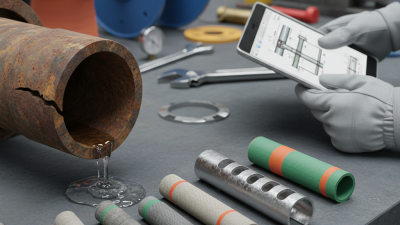
Pipe fixers include repair clamps, couplings, pipe hangers, and anchoring systems. Each type addresses a different failure. Repair clamps seal localized leaks around steel, copper, or plastic pipes. Their stainless-steel shells press a gasket against the damaged area. Couplings join two pipe sections when cutting out a failed segment is necessary. They are practical, but alignment still matters.

Pipe hangers support suspended lines and control vibration. Common designs include clevis hangers, loop hangers, and riser clamps. Anchors and guides manage thermal movement in hot-water systems. A rigid anchor can create stress if expansion was ignored. That mistake is easy to miss.

The U.S. Environmental Protection Agency’s 2023 Drinking Water Infrastructure Needs Survey estimates $625 billion in drinking-water investment over 20 years. The figure highlights why durable repair hardware matters. The American Society of Civil Engineers’ 2025 Infrastructure Report Card rated U.S. drinking water infrastructure C-. This condition increases demand for reliable, field-tested fixes.

Choosing a pipe fixer requires more than matching diameter. Technicians should check pressure, temperature, corrosion exposure, movement, and access space. A clamp may stop a leak temporarily, yet a corroded pipe could need replacement. On-site inspection remains essential. No single design fits every failure.

Common Pipe Fixers for Different Pipe Materials

What Are the Top Types of Pipe Fixers?

Common Pipe Fixers for Different Pipe Materials

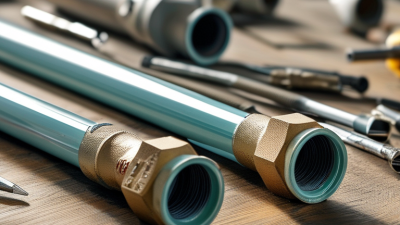
Choosing a pipe fixer starts with identifying the pipe material, not just the leak size. Copper pipes often need compression fittings, soldered joints, or temporary repair clamps. A clean, dry surface matters. Even a small amount of moisture can weaken the connection. In my experience, repair clamps work well for pinhole leaks, but they are not a permanent answer for badly corroded copper.

PVC and CPVC pipes require compatible solvent-weld fittings or mechanical repair couplings. Their smooth surfaces make preparation easier, yet excessive tightening may crack the plastic. CPVC also handles heat differently from standard PVC. Always check the pressure and temperature ratings. That detail is easy to overlook.

PEX systems commonly use crimp, clamp, or push-fit connectors. The correct insert and tool must match the tubing size. A loose ring can cause a slow leak behind a wall. PEX is flexible, but sharp bends and unsupported sections can stress the joints. Steel and cast-iron pipes usually need threaded fittings, grooved couplings, or heavy-duty clamps. Rust removal helps, but aggressive cleaning may reduce wall thickness. That part deserves caution. A fixer that looks strong may still fail when vibration, heat, or pressure changes. Local plumbing codes and manufacturer instructions should guide permanent repairs, especially in concealed or pressurized lines.

How to Select the Right Pipe Fixer for Each Repair

Choosing a pipe fixer starts with the failure, not the fitting. That sounds obvious. For a pinhole on a straight steel or ductile-iron line, use a full-circle repair clamp with a compatible gasket. Check outside diameter, operating pressure, temperature, and fluid chemistry before tightening. A saddle suits a branch connection, while a mechanical coupling helps when damaged ends prevent direct joining. Flexible couplings tolerate limited misalignment, but they cannot correct unstable pipe movement. That distinction matters.

ASCE’s 2021 Infrastructure Report Card gave U.S. drinking-water infrastructure a C− grade. EPA’s 2023 Drinking Water Infrastructure Needs Survey estimated $625 billion in needs through 2040. These figures do not justify choosing the strongest-looking clamp. They support a measured inspection. Confirm whether the leak is isolated. Measure wall loss and verify safe depressurization. On potable-water lines, select materials approved for that service and follow the fitting’s torque sequence. I have seen rushed repairs fail because installers tightened bolts unevenly or ignored corrosion beneath the gasket. That is the uncomfortable lesson. A clamp can stop water today. It cannot repair a collapsing pipe. Record pressure-test results, bolt torque, and the condition beneath the gasket. For buried repairs, schedule a follow-up inspection after the line returns to normal pressure.

What Are the Top Types of Pipe Fixers? - How to Select the Right Pipe Fixer for Each Repair

Pipe Fixer Type Typical Repair or Application Compatible Pipe Materials Leak or Damage Coverage Installation Method Main Advantages Important Limitations Best Selection Criteria
Full-Circle Repair Clamp Localized pinhole leaks, small cracks, and corrosion damage on straight pipe sections Steel, ductile iron, cast iron, copper, PVC, CPVC, and other compatible rigid pipes Usually covers a short section around a single leak; available in different widths and diameters Place the clamp over the damaged area and tighten the bolts evenly around the pipe Fast installation, no pipe cutting, and suitable for many common emergency repairs Requires a sound pipe surface and correctly matched diameter; not intended for severely deformed or collapsing pipe Choose when the damage is localized and the pipe remains structurally sound
Wide-Range Repair Clamp Repairs where the exact outside diameter is uncertain or varies slightly between pipe materials Metal and plastic pipes within the clamp manufacturer's approved diameter range Covers a larger circumferential area than a narrow clamp and accommodates limited diameter variation Wrap the clamp around the pipe, position the sealing gasket, and tighten the fasteners progressively Useful for mixed piping systems and maintenance inventories with multiple pipe sizes Its allowable range, pressure rating, and gasket compatibility must be checked carefully Select according to the measured outside diameter, pipe material, operating pressure, and temperature
Split-Sleeve Repair Clamp Longer cracks, longitudinal splits, or damage extending beyond the coverage of a standard clamp Commonly used on steel, ductile iron, cast iron, and selected plastic piping systems Provides extended axial coverage and can seal damage over a longer section of pipe Fit the two-piece or multi-piece sleeve around the pipe and tighten the bolts to the specified torque More coverage and structural support than a short single-band repair clamp Needs adequate clearance around the pipe; installation may be difficult in confined spaces Choose when the damaged area is long, but the pipe is still suitable for external reinforcement
Encapsulation Clamp Sealing a damaged fitting, joint, branch connection, or irregularly shaped leak area Selected metal and plastic piping systems, depending on gasket and housing design Surrounds the fitting or connection and creates a sealed enclosure around the leak Install the shaped housing around the fitting and tighten the closure bolts evenly Can address complex geometries that a simple straight-pipe clamp cannot cover Must match the fitting shape and dimensions; incorrect alignment can prevent proper sealing Use for leaks at tees, couplings, sockets, flanges, or other non-straight sections
Flange Repair Clamp Leaks at flange faces, flange joints, or damaged flange connections Steel, ductile iron, cast iron, and other flanged piping systems with compatible dimensions Seals around the flange or joint rather than repairing damage in the middle of a pipe barrel Position the clamp around the flange assembly and tighten fasteners according to the installation instructions Designed specifically for flange-related leaks and can reduce the need for immediate flange replacement Cannot correct badly misaligned, broken, or severely distorted flanges; pressure ratings vary by design Confirm flange outside diameter, joint configuration, pressure class, and bolt clearance
Mechanical Coupling Replacing a damaged pipe section or joining two pipe ends during a permanent repair Compatible combinations of metal and plastic pipe, subject to coupling specifications and restraint requirements Does not simply cover a leak; it creates a new sealed connection between pipe ends Cut and prepare the pipe ends, insert them into the coupling, and tighten the end rings or bolts Provides a durable connection and can join pipes with different outside diameters or materials when approved Requires cutting, accurate pipe preparation, adequate insertion depth, and sometimes external restraint Select when the damaged section must be removed or when a long-term connection is required
Pipe Repair Band with Sealing Rubber Small, low-complexity leaks requiring a quick temporary or light-duty seal Often suitable for smooth metal or plastic pipe surfaces when the band and rubber are compatible Generally intended for small pinholes and limited surface damage Wrap the sealing rubber around the leak and secure it with the supplied band or fastener Compact, simple to install, and useful for short-term maintenance situations Usually has lower coverage and lower structural capability than a bolted repair clamp Use only when the pipe surface is stable and the pressure, temperature, and fluid are within the product limits
Epoxy Repair Compound Small surface pits, non-pressurized repairs, and reinforcement when combined with another repair method Selected metals, rigid plastics, and other substrates approved by the compound manufacturer Best for minor surface defects rather than active high-pressure leaks or large cracks Clean and roughen the surface, mix the compound, apply it, and allow the specified curing time Can conform to irregular surfaces and may be useful where mechanical access is limited Cure time, surface preparation, chemical compatibility, and temperature limits can restrict use Choose only after checking fluid compatibility, pressure conditions, curing requirements, and local regulations
Pipe Freezing Kit Temporary isolation of a water-filled section before replacing a valve, fitting, or short pipe segment Commonly used on water-filled metallic and selected plastic pipe systems compatible with the freezing method Does not repair the pipe; it creates an ice plug to stop flow temporarily Attach the freezing equipment, form a controlled ice plug, complete the repair, and thaw the line safely Can avoid draining an entire system and may reduce service interruption Not suitable for every fluid, pipe material, temperature, or operating condition; requires trained handling Select only when the line contents and pipe system are suitable and pressure can be safely controlled
Pipe Support or Hanger Repair Sagging, vibration, movement, or stress caused by inadequate pipe support rather than a direct leak Metal and plastic piping systems, with support spacing based on material, size, temperature, and loading Addresses mechanical stress and alignment; it does not seal an existing hole or crack Install or replace approved hangers, brackets, guides, or anchors while maintaining proper alignment Can prevent recurring joint failures and reduce vibration-related damage Must not be used as a substitute for repairing a pressure-containing defect Choose when inspection identifies movement, unsupported spans, thermal expansion, or excessive mechanical loading

Safety and Maintenance Practices for Pipe Fixers

What Are the Top Types of Pipe Fixers?

Safety and Maintenance Practices for Pipe Fixers

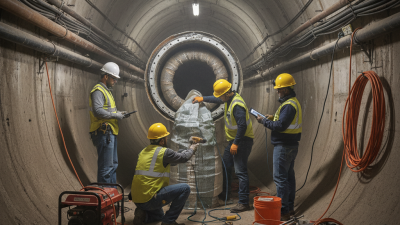
Pipe fixers usually fall into three skilled groups. Pipefitters install and align process lines. Maintenance technicians repair valves, joints, and supports. Leak detection specialists locate pressure loss before damage spreads. Each role needs different tools, but all require disciplined isolation procedures. A trapped line can release steam, chemicals, or stored pressure without warning.

Safety begins before the first wrench turns. Workers should identify the fluid, isolate energy sources, drain pressure, and verify zero flow. Lockout and tagout checks must be recorded, not remembered casually. Atmospheric testing is essential in enclosed areas. The U.S. Bureau of Labor Statistics reported about 2.6 million nonfatal workplace injuries and illnesses in private industry during 2023. Small shortcuts still matter. Wear eye protection, gloves, hearing protection, and suitable respiratory equipment when conditions require it.

Maintenance quality depends on detail. Inspect pipe supports, flange faces, gaskets, threads, and corrosion under insulation. Use calibrated torque tools where specifications demand them. The Occupational Safety and Health Administration recorded 395 fatal construction falls in 2022, showing why ladders, scaffolds, and elevated platforms need constant inspection. A damaged platform should stop the job. That decision can feel inconvenient. It is often the correct one. Digital inspection records improve traceability, although handwritten notes may still contain useful field observations. Review both.

123