What is a Vertical Expander Machine and Its Benefits?
The Vertical Expander Machine is a pivotal piece of equipment in the manufacturing sector. It plays a crucial role in shaping materials through innovative expansion techniques. This machine efficiently enhances the physical properties of materials by stretching and reshaping them. Its design allows for consistent performance across various applications.
One of the key benefits of the Vertical Expander Machine is improved material integrity. By expanding materials uniformly, it reduces the risk of defects and failures. Users report increased productivity and reduced waste. However, implementing this machine requires careful consideration of the operational parameters.
Despite its advantages, some users encounter challenges in adapting their workflows. Training staff and maintaining equipment are often overlooked aspects. These factors can impact the overall efficiency of the Vertical Expander Machine. Reflecting on these experiences can lead to better operational practices and a deeper understanding of the machine's full potential.
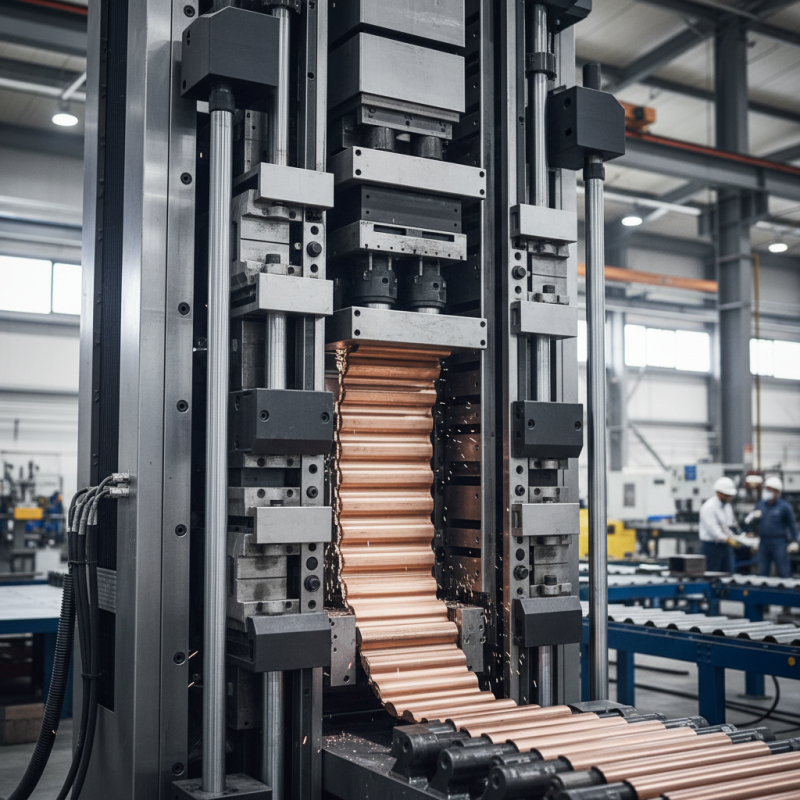
What is a Vertical Expander Machine?
A vertical expander machine is an innovative tool in the manufacturing industry. It specializes in expanding metal parts, primarily for the automotive and aerospace sectors. This machine uses a vertical design which optimizes space and enhances efficiency in production lines.
According to industry reports, vertical expanders can increase processing speeds by up to 40%. This significant improvement often leads to enhanced productivity and reduced operational costs. Moreover, by minimizing energy consumption, businesses can achieve sustainability goals while maintaining quality.
Operators note that while vertical expanders improve workflow, mastering their complexities can take time. Proper training is crucial. Inadequate understanding can lead to product defects or machine wear. This aspect emphasizes the need for continuous learning and adaptation. Regular maintenance is also essential to ensure long-term reliability in operations.
Benefits of Using a Vertical Expander Machine
Key Components of a Vertical Expander Machine
Vertical expanders are specialized machines designed for various industrial applications. Their key components play an essential role in the effectiveness and efficiency of the machinery. The primary parts include the expander chamber, rotor, and control system. The expander chamber is where the material undergoes transformation. It determines the efficiency of the material processing.
The rotor is a critical feature, enabling the mechanical movement and expansion of materials. A well-designed rotor ensures optimal energy consumption and prevents material clogging. The control system manages the operation, providing real-time feedback and adjustments. Regular maintenance of these components enhances performance and extends the machine's lifespan.
Tips: Pay attention to routine checks. Regular inspections can prevent unexpected downtime. Ensure the rotor is well-lubricated for smoother operation. Monitor the control system's software to avoid glitches. Implementing these practices can lead to more efficient production processes.
How Vertical Expanders Operate: A Step-by-Step Guide
Vertical expanders are ingenious machines designed to reshape and expand materials efficiently. Understanding how they operate is crucial for maximizing their benefits in various industries.
To begin, vertical expanders use a combination of hydraulic systems and mechanical parts. The process starts with the material being fed into the machine. Once inside, the hydraulics generate pressure, which gradually expands the material. This expansion can occur in several stages, ensuring uniformity and precision. The operator monitors this process closely, making adjustments as needed.
**Tip: Regular maintenance of the machine enhances its efficiency.** Inspect hydraulic fluid levels regularly to avoid disruptions during operation.
As the material is expanded, it moves through a set of rollers or guides. These components ensure that it maintains its desired shape throughout the process. Operators often need to calibrate the machine based on the specific material used. This step is vital and requires experience and understanding of the characteristics of different materials.
**Tip: Always document your calibrations.** Keeping a record helps identify patterns and improve future operations.
In conclusion, mastering the operation of a vertical expander involves attention to detail and constant learning. Each cycle provides new insights, making it essential for operators to remain adaptable and observant.
What is a Vertical Expander Machine and Its Benefits?
| Dimension | Value |
| Machine Type | Vertical Expander |
| Primary Function | Expanding Metal Products |
| Typical Applications | Sheet Metal, Tubes |
| Key Benefits | Improved Material Strength, Better Dimensional Accuracy |
| Typical Power Requirement | 5 - 15 kW |
| Production Speed | 20 - 50 pieces/hr |
| Operating Principle | Mechanical Stretching |
Benefits of Using a Vertical Expander Machine in Industry
Vertical Expander Machines play a crucial role in various industries. These machines excel in enhancing product efficiency through a unique vertical design. This design allows for more effective use of space, facilitating easier access during the operational process. Such machines are often used in metalworking, food processing, and other manufacturing sectors. Their versatility makes them valuable assets in production lines.
One key benefit of using a Vertical Expander Machine is improved productivity. The vertical orientation reduces floor space needed for operations. Workers can monitor several machines at once, which can lead to significant time savings. Additionally, these machines tend to consume less energy compared to horizontal alternatives. Energy efficiency is not only cost-effective but also beneficial for the environment.
However, they do require a certain level of expertise to operate effectively. Training staff to use these machines safely and efficiently is essential. If operators are untrained, mistakes can lead to costly downtime and safety risks. Despite these challenges, the advantages of adopting Vertical Expander Machines outweigh the drawbacks. The benefits often justify the initial investment and training costs in the long run.
Applications of Vertical Expander Machines Across Different Sectors
Vertical expander machines are utilized in various sectors to optimize efficiency and reduce waste. In the manufacturing industry, these machines enhance material usage in processes such as aluminum extrusion. According to a report by Grand View Research, the global market for vertical expanders is expected to grow at a CAGR of 6.5% from 2021 to 2027. This growth reflects their critical role in improving production rates and lowering costs.
In the food processing sector, vertical expanders are employed to enhance texture in products like snacks and cereals. They facilitate uniform expansion, ensuring a quality product. Studies indicate that properly used vertical expanders can increase yield by up to 15%. However, operators must maintain precise temperature controls to prevent over-processing. The fine line between optimal and excessive expansion requires constant monitoring to achieve desirable outcomes.
The automotive sector also benefits from these machines, especially in the production of lightweight components. Vertical expanders contribute to weight reduction, aiding in fuel efficiency. Nevertheless, the initial setup costs can be a barrier for smaller manufacturers. Ensuring the correct expansion ratios is crucial. Misalignment in settings can lead to material deformation and increased production times, underlining the need for continuous operator training.