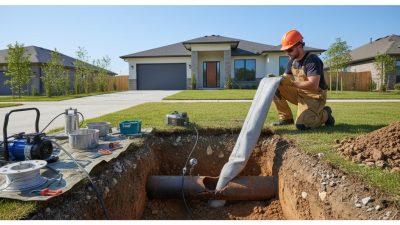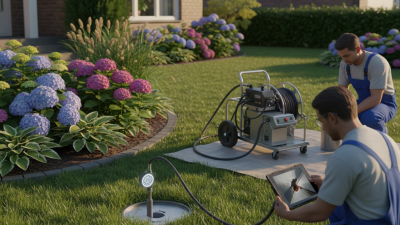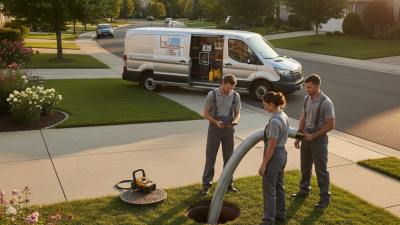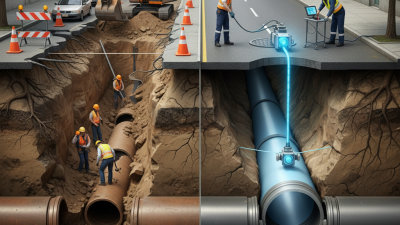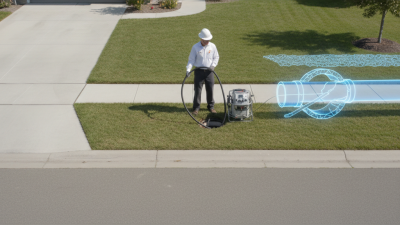
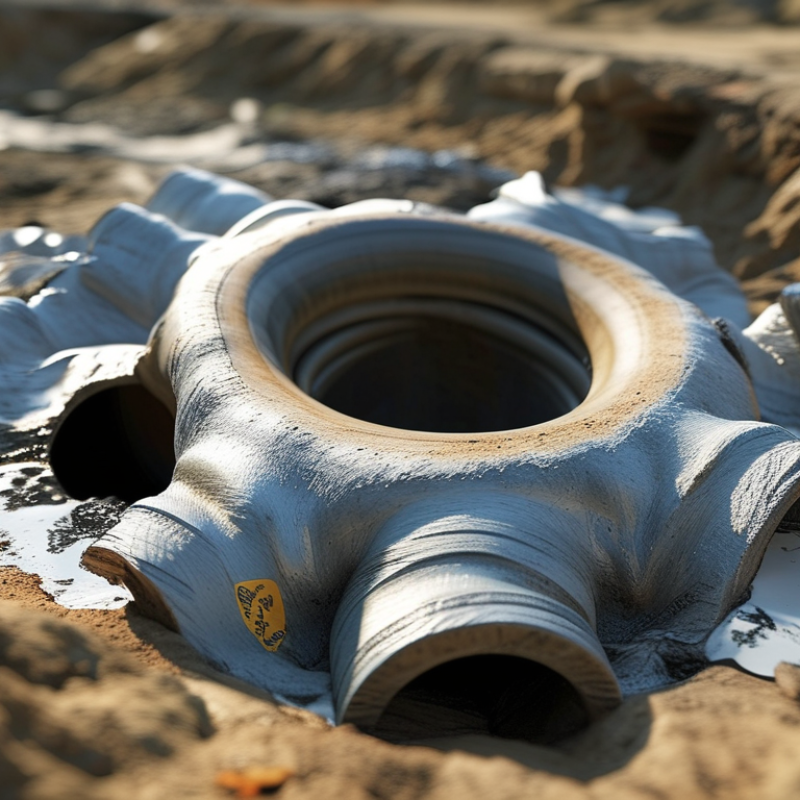
Cured-in-place pipe (CIPP) sleeves are a leading option for full-length structural sewer renewal. ASTM F1216 requires design checks for groundwater, soil loads, traffic loads, host-pipe ovality, and installation conditions. The calculation also considers resin stiffness, liner thickness, curing method, and safety factors. Design comes first.
For global buyers comparing five sleeve sewer repair solutions, full-length structural CIPP suits cracked, leaking, or partially collapsed pipelines. Sectional sleeves address isolated defects, while lateral liners repair short branch connections. Pull-in-place liners can reduce setup needs in smaller pipes. UV-cured and thermally cured systems offer different control, speed, and energy profiles. The correct choice depends on diameter, access points, flow conditions, and rehabilitation length.
No design model is perfect. Field data is often incomplete.
The U.S. Environmental Protection Agency’s 2022 Clean Watersheds Needs Survey estimated $630.1 billion in wastewater infrastructure needs over 20 years. That figure shows why durable, low-excavation renewal matters. ASTM F1216 design files should include measured CCTV findings, groundwater assumptions, load calculations, resin data, and post-installation inspection records. A 2023 industry infrastructure review also identified aging sewer networks as a major rehabilitation driver, but local asset data remains uneven.
Tips: Request independent thickness calculations and verify site measurements before ordering. Measure twice. Confirm curing temperature, liner wet-out, and reinstatement quality. Do not accept a generic design for every pipeline.