Top Sleeve Pipe Repair Tips for Efficient Solutions?
In the realm of piping solutions, sleeve pipe repair stands out as a reliable method for restoring integrity to damaged pipelines. According to a report by the American Water Works Association, nearly 60% of water utility systems face significant pipe deterioration. This alarming statistic highlights the importance of efficient repair techniques like sleeve pipe repair.
Industries spanning oil, gas, and water supply are increasingly turning to innovative sleeve solutions. These methods not only extend the lifespan of existing pipes but also minimize downtime and reduce costs. A study by the Pipeline Research Council International revealed that effective repairs can cut maintenance costs by up to 30%.
Despite these advantages, it's essential to approach sleeve pipe repair with caution. Identifying the right materials and techniques is crucial to ensure a successful fix. Some repairs may not hold up under extreme conditions, reflecting the necessity for ongoing evaluation and awareness of potential shortcomings in the repair process. Investing in training and materials is vital for achieving optimal results in sleeve pipe repair.
Understanding Sleeve Pipe Repair: An Overview of Techniques
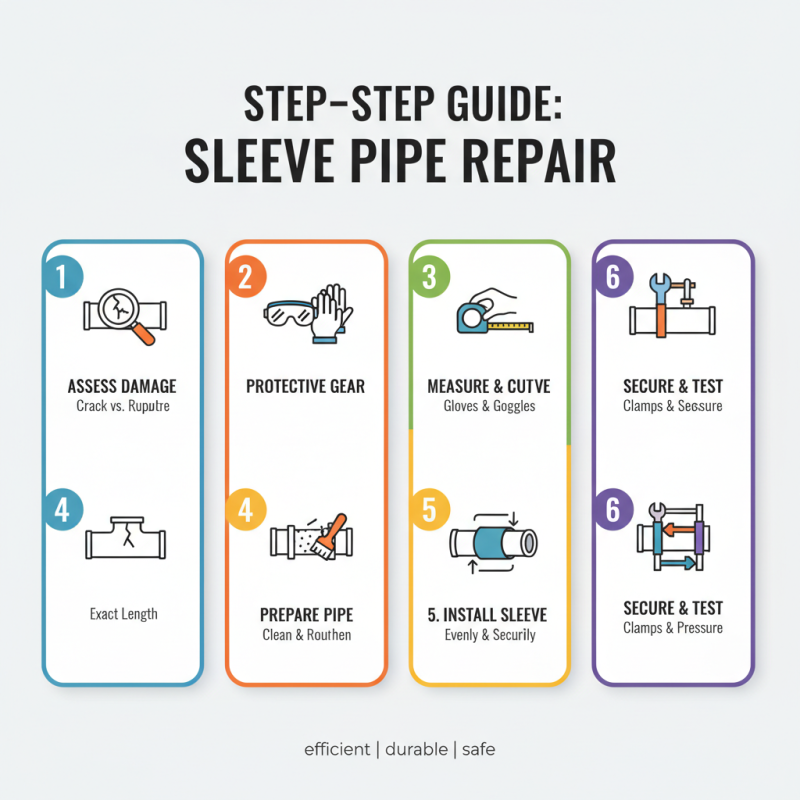
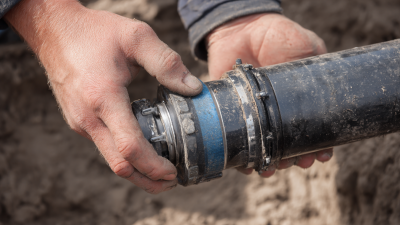
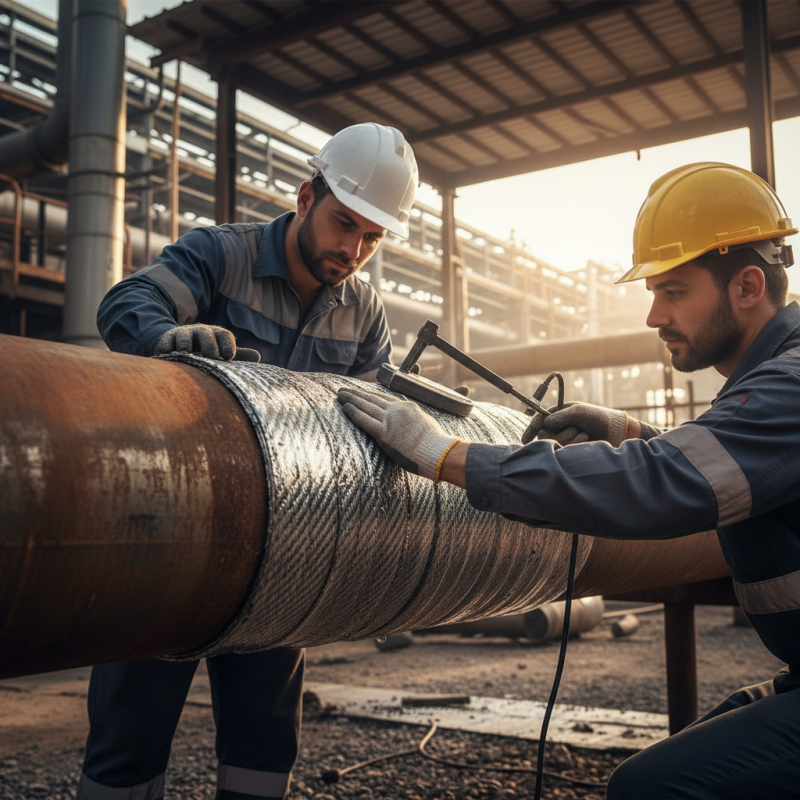
Sleeve pipe repair is a practical technique for addressing various pipe issues. This method involves placing a sleeve over the damaged area, effectively sealing leaks and reinforcing the pipe. Utilizing high-quality materials is essential for this process. Common options include epoxy, fiberglass, and other composite materials. Each material offers unique benefits regarding durability and resistance.
Understanding the specific techniques is vital for successful repairs. Proper surface preparation is crucial; dirt and debris must be removed to ensure effective adhesion. Additionally, precise measurements of the damaged section are necessary. Incorrect measurements can lead to significant issues. Once the sleeve is prepared and cut, applying the adhesive evenly is important. This step can affect the overall longevity of the repair.
Not all repairs go smoothly. Some may experience setbacks due to improper installation or material failure. Regular inspections are necessary to identify signs of wear. Implementing a proactive maintenance plan can mitigate future issues. Reflecting on past repair attempts can offer insights into improving current practices. Evaluating these experiences often uncovers ways to enhance efficiency and effectiveness.
Identifying Common Pipe Issues That Require Sleeve Repairs
Identifying common pipe issues is crucial for effective
sleeve repairs. Many homeowners face problems like leaks,
corrosion, or cracks.
These issues can arise from various factors, including age, environmental conditions, or poor installation.
Noticing these signs early can save you significant costs later.
Small wet spots on floors or walls often
indicate underlying pipe problems. Similarly, a sudden rise in water bills is another red flag.
When assessing your pipes, take a closer look at their material.
Older pipes may suffer from rust or deterioration.
This deterioration compromises the system's integrity.
It’s also wise to check joints and seams. These areas are common failure points for many installations.
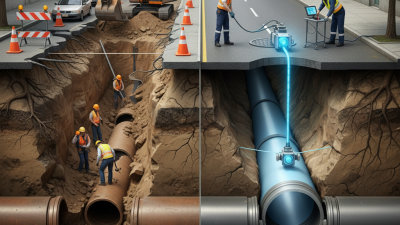
In some cases, visual inspections might not reveal all problems. Advanced equipment, like cameras,
can help spot hidden issues.
Ignoring pipe problems can lead to severe damage. Water damage
can compromise the building’s structure. It may cause mold growth, leading to health concerns.
Therefore, addressing these issues promptly enhances safety and maintains property value.
Regular maintenance and inspections can help
prevent significant problems down the line.
Make it a habit to inspect your plumbing.
Regular checks ensure that potential issues are managed before they escalate.
Essential Tools and Materials for Sleeve Pipe Repair Projects
When tackling sleeve pipe repair, having the right tools and materials is crucial. A comprehensive report by the American Society of Civil Engineers highlights that 40% of pipeline failures occur due to improper repairs. This underscores the importance of preparation. Essential tools include pipe cutters, wrenches, and measuring devices.
High-quality repair sleeves should also be readily available to ensure a tight seal and address leaks effectively. Materials such as epoxy, sealants, and protective coatings can enhance the durability of repairs. Recent data from industry sources indicate that using proper sealing materials can increase repair longevity by up to 50%. It’s important to choose materials designed for the specific pipeline environment.
However, some professionals often overlook compatibility, leading to premature failures. Before starting a project, double-check your inventory. Rushing through setup can lead to missing critical items. Investing in training on tool usage is also recommended, as misuse can result in accidents or further damage.
Repairing pipes should not be taken lightly. Poor preparation and execution can have lasting consequences for both safety and costs.
Best Practices for Maintenance and Longevity of Sleeve Repairs
Proper maintenance is crucial for extending the life of sleeve pipe repairs. Regular inspections can identify wear and tear before they escalate. According to industry reports, 20% of sleeve repairs fail within the first year due to inadequate upkeep. It’s essential to monitor the condition of the pipe consistently. Visual assessments can help spot corrosion, leaks, or other potential issues.
Utilizing advanced techniques also enhances the durability of repairs. For instance, adopting a combination of sealants and coatings can significantly improve resistance to environmental factors. Research shows that proper surface preparation before applying patches can increase adherence by up to 50%. Moreover, scheduling maintenance checks every six months can ensure that any developing issues are promptly addressed, thus preventing more significant failures. Implementing a robust maintenance plan not only saves costs but also enhances overall system reliability.
Top Sleeve Pipe Repair Tips for Efficient Solutions
| Tip |
Description |
Benefits |
Frequency of Application |
| Regular Inspections |
Conduct routine checks of sleeve pipes for signs of wear or leaks. |
Early detection of issues, preventing major failures. |
Monthly |
| Proper Cleaning |
Clean the sleeve surface before applying repairs. |
Ensures better adhesion of repair materials. |
As needed |
| Use Quality Materials |
Select high-quality sleeve patch materials for repairs. |
Increases the longevity of repairs. |
During each repair |
| Monitor Operating Conditions |
Regularly assess the environmental conditions impacting the sleeve pipes. |
Adjust maintenance strategies based on real conditions. |
Continuous |
| Documentation of Repairs |
Keep detailed records of all repair activities. |
Helps track the history and performance of repairs. |
After each repair |