
Top 10 Types of Flavored Air Pens for Global Buyers
For global buyers, choosing a Flavored Air Pen involves more than comparing colors, flavors, and package prices. Product design, ingredient transparency, manufacturing quality, and regional compliance can vary widely. A pen that performs well in one market may require different labeling or testing elsewhere. That reality deserves attention.
This guide examines ten common types, including fruit-flavored, mint-inspired, botanical, dessert-style, disposable, refillable, and customizable models. Each category offers practical differences. Buyers can compare mouthfeel, flavor consistency, battery design, leakage resistance, packaging, and storage requirements. Small details matter. A loose cap can affect freshness during long-distance shipping. Poorly sealed packaging can also damage consumer confidence.
Reliable sourcing begins with documented specifications and supplier communication. Request ingredient lists, safety data, batch information, quality certificates, and samples before placing large orders. Avoid unsupported wellness claims, unclear ingredients, and products that conflict with local rules. Requirements may differ for labeling, advertising, age control, import documentation, and product testing. Professional buyers should confirm these points with qualified local advisers.
Not every attractive pen is a dependable one. We have seen promising samples fail after repeated use, especially when flavor delivery became weak or inconsistent. That limitation is worth mentioning. Product comparisons can never replace independent verification. Still, a structured review helps buyers identify suitable options for retail, hospitality, promotional, or private-label programs. The following overview focuses on responsible selection, practical performance, and transparent supplier evaluation across international markets.
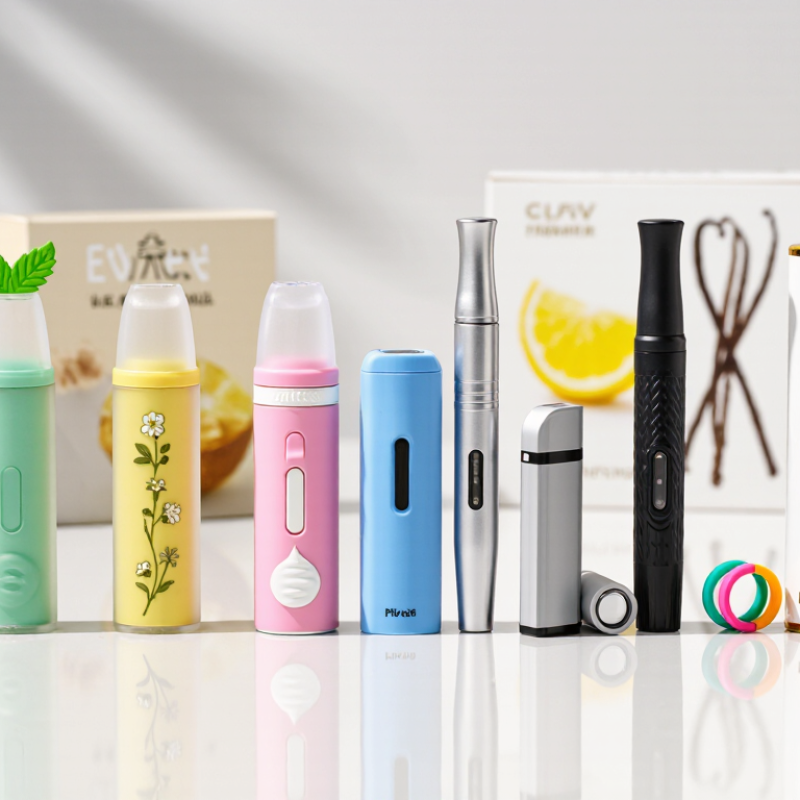
What Flavored Air Pens Are and How They Work
Flavored Air pens are small, portable devices that deliver taste or aroma through controlled airflow. They do not need combustion, nicotine, or prohibited substances. Most designs use a sealed cartridge, an air channel, and a draw-activated valve. When the user inhales, air passes over a flavor medium and carries its volatile compounds forward. The sensation is usually light, not a dense vapor cloud.
Common formats include single-flavor pens, blended-flavor pens, passive aroma tubes, replaceable-cartridge models, and rechargeable airflow devices. Some products use food-grade ingredients, but food safety does not automatically prove inhalation safety. Buyers should request ingredient specifications, migration testing, batch records, and instructions for the intended route of use. That detail is often missing.
The Global Wellness Institute valued the global wellness economy at US$5.6 trillion in 2022. Grand View Research also reported a multi-billion-dollar aromatherapy market, with strong projected growth through 2030. These figures indicate wider consumer interest, not confirmed demand for flavored air pens specifically. The category remains poorly standardized. That matters. A pleasant flavor can create a false sense of safety. Suppliers should avoid medical claims and verify local rules for inhalable products, packaging, age controls, and advertising. Independent laboratory testing adds credibility, although one test cannot answer every safety question.
Top 10 Types of Flavored Air Pens for Global Buyers - What Flavored Air Pens Are and How They Work
| No. | Type of Flavored Air Pen | How It Works | Typical Flavor Delivery | Power Source | Common Reuse Model | Key Buyer Considerations |
|---|---|---|---|---|---|---|
| 1 | Passive Scent-Inhalation Pen | Ambient air is drawn through a scented insert or aromatic material when the user inhales through the mouthpiece. No liquid is heated or aerosolized. | Light, localized aroma with a relatively low intensity. | None | Replaceable scent insert or cartridge. | Simple construction, low operating cost, and no battery transport requirements. Flavor longevity depends on the volatility of the aroma material. |
| 2 | Replaceable Aroma-Cartridge Pen | A removable cartridge containing a scented wick, bead, or pad is positioned in the airflow path. Air passes over the material during inhalation. | More consistent than an open scent pad because the cartridge controls exposure to air. | None | Replaceable cartridge; reusable outer shell. | Buyers should check cartridge compatibility, sealing quality, material safety, and packaging requirements for international shipping. |
| 3 | Refillable Essential-Oil Aroma Pen | A small absorbent wick or reservoir holds a limited amount of diluted aromatic oil. Inhaled air passes over the wick without direct heating. | Distinct botanical or fragrance notes, usually stronger than a dry insert. | None | Refillable wick or reservoir, depending on the design. | Oil compatibility, leakage prevention, allergen labeling, and avoidance of direct ingestion are important for product documentation. |
| 4 | Venturi Air-Mixing Pen | Fast-moving inhaled air creates a pressure difference that draws aroma from a small chamber and mixes it with the airflow. | Noticeable aroma that varies with inhalation speed. | None | Reusable body with a replaceable aroma chamber. | Performance depends on airflow resistance, chamber geometry, and the consistency of the scent medium. |
| 5 | Vapor-Free Hydration-Flavored Air Pen | The device delivers scented air only; it does not intentionally produce water vapor, smoke, or heated aerosol. Flavor perception comes mainly from aroma compounds. | Perceived flavor is primarily retronasal aroma rather than a liquid taste. | None | Usually disposable or fitted with a replaceable scent element. | Marketing should clearly distinguish aroma delivery from hydration, nicotine delivery, and vapor production. |
| 6 | Battery-Powered Aroma-Fan Pen | A small fan moves air across a scented pad or cartridge when an airflow sensor or button activates the device. | More controlled output than passive designs, with relatively stable airflow. | Rechargeable or replaceable battery | Rechargeable body with replaceable scent media. | Battery capacity, charging connector, electrical safety testing, noise level, and air-path cleanliness matter for global buyers. |
| 7 | Airflow-Activated Aroma Pen | An airflow sensor detects inhalation and activates a small fan or valve that exposes the aroma chamber to moving air. | Flavor is released only during use, helping reduce passive scent loss. | Usually rechargeable | Rechargeable device with replaceable or sealed aroma module. | Sensor reliability, activation threshold, battery protection, and resistance to accidental activation should be evaluated. |
| 8 | Multi-Flavor Selector Pen | Two or more separate aroma chambers are connected to a mechanical selector or airflow switch, allowing the user to choose one chamber at a time. | Multiple flavor options with reduced cross-mixing when chambers are properly isolated. | Usually none | Replaceable chambers or replaceable scent inserts. | Selector durability, chamber separation, cleaning access, and clear flavor identification are key purchasing factors. |
| 9 | Timed-Pulse Aroma Pen | A small electronic controller releases aroma through brief fan or valve pulses rather than continuous airflow. | Intermittent aroma designed to limit material consumption and maintain a predictable dose of scent exposure. | Rechargeable or replaceable battery | Rechargeable body with replaceable aroma module. | Timer accuracy, battery runtime, control simplicity, and compliance with electronic-product shipping rules should be reviewed. |
| 10 | Disposable Pre-Filled Flavored Air Pen | The outer shell, airflow channel, and pre-filled scented element are supplied as one sealed unit. The user inhales through the mouthpiece until the aroma fades. | Convenient, ready-to-use aroma with a fixed flavor and service life. | None or sealed battery | Normally replaced rather than refilled. | Packaging waste, shelf life, leakage prevention, labeling, recycling requirements, and destination-market regulations should be assessed. |
Important: Flavored air pens are generally designed to provide aroma through inhaled air. They should not be assumed to deliver hydration, medication, nicotine, or a therapeutic effect unless the product has been specifically authorized and labeled for that purpose.