Top Fabric Printer Options for Quality Printing Needs?
In today's rapidly evolving textile industry, the demand for high-quality fabric printing solutions has surged. The global digital textile printing market is expected to reach $6.5 billion by 2025, highlighting the importance of reliable Fabric Printers. Brands look for optimal solutions to produce vibrant textiles that meet consumer expectations.
Selecting the right Fabric Printer involves understanding various factors, such as print quality, speed, and cost-effectiveness. A report from Smithers Pira indicates that digital textile printing technology has grown significantly, accounting for over 30% of the global textile market. However, not every machine guarantees exceptional results, leading businesses to navigate a complex landscape of options.
As we explore top Fabric Printer options, it's vital to consider both the advantages and limitations of each. While some printers boast advanced features, they may also come with a steep learning curve. Evaluating these machines requires an eye for detail and a willingness to adapt to new technologies.
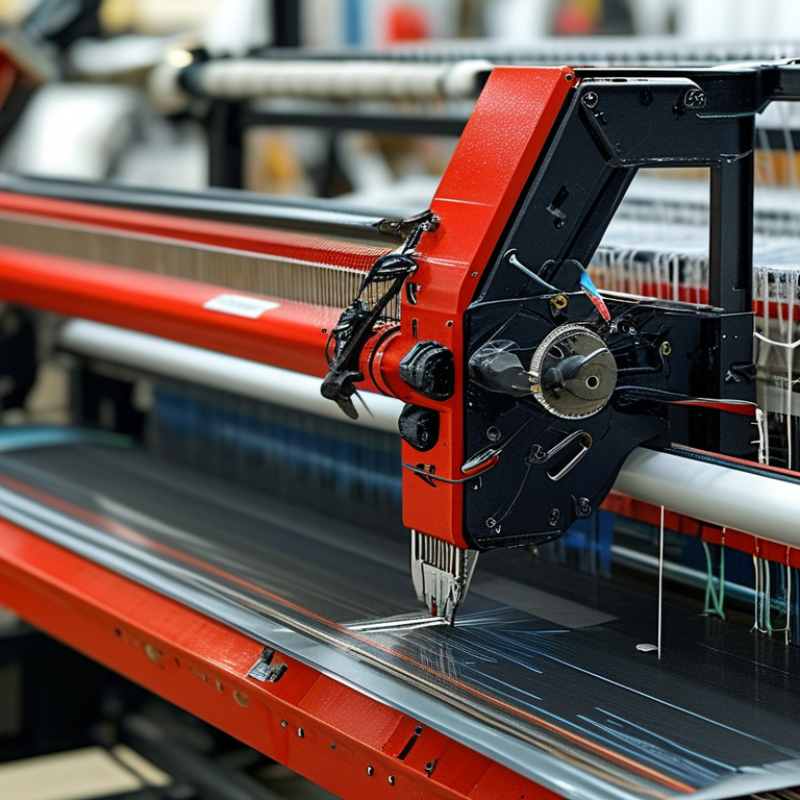
Overview of Fabric Printers and Their Importance
Fabric printers play a crucial role in the textile industry. They enable the production of vibrant and detailed designs on various materials. Understanding their importance helps businesses make informed decisions. Quality prints can elevate a brand's aesthetic and drive customer engagement. This effect is not merely cosmetic; it affects perceptions and buying decisions.
Fabric printers come with different technologies, each suited for specific needs. Some use dye-sublimation, while others rely on direct-to-garment methods. The choice of printer impacts print durability and color accuracy. It is essential to consider the intended use of the printed fabric. For example, a high-end fashion label may prioritize detail and color vibrancy. On the other hand, basic promotional items might focus on cost-efficiency.
Challenges do exist in the fabric printing process. Ink compatibility is a common issue. Not all inks work with every fabric type, affecting quality. Additionally, maintaining print consistency can be complex. Digital printers often require calibration to ensure colors remain true over time. Understanding these aspects helps businesses navigate the intricacies of fabric printing.
Types of Fabric Printers and Their Features
Fabric printers have evolved significantly, offering various types tailored to specific printing needs. Direct-to-garment (DTG) printers are popular for their ability to print high-quality images directly onto fabric. They provide vivid colors and intricate details, making them ideal for custom apparel. According to a report from Smithers Pira, the DTG market is expected to grow by 13% yearly, highlighting its increasing relevance in the fashion industry.
Another notable type is dye-sublimation printers. They excel in transferring designs onto polyester fabrics. These printers utilize heat to activate dye, resulting in long-lasting prints that are resistant to fading. This technology is particularly popular in sportswear and textiles. However, one must consider fabric compatibility, as dye-sublimation only works well with specific materials. It's essential to know the target fabric type to ensure print quality.
Tips: When choosing a fabric printer, assess your production volume. Lower volume might benefit from DTG, while larger runs are better suited for dye-sublimation. Also, verify the print resolution of the printer; a higher DPI ensures finer details. Evaluate maintenance costs—some printers require frequent cleaning and care, which can impact overall expenses. Remember, not all printers handle every fabric type equally; careful selection is key for successful printing outcomes.
Top Fabric Printer Options for Quality Printing Needs
Key Factors to Consider When Choosing a Fabric Printer
When selecting a fabric printer, several key factors come into play. First, consider the type of fabric you'll be printing on. Different printers excel with various materials. Cotton, polyester, and blends each have unique requirements. A printer that works well on one type might struggle with another. It’s crucial to ensure compatibility to achieve high-quality results.
Print resolution is another significant aspect. Higher resolution typically means better image clarity and detail. However, it’s essential to balance quality with speed and cost. Some printers offer outstanding resolution but are slower and more expensive to operate. Assessing your production needs is vital for making a suitable choice.
Durability of prints is often overlooked. The longevity of prints affects your investment. Fading can occur with lower-quality inks and machines. Testing ink types and print longevity is necessary. Understanding maintenance needs is also important, as some printers demand more upkeep than others, impacting your workflow. Always reflect on these aspects before finalizing your choice. Exploring options thoughtfully can lead to enhanced results for your fabric printing needs.
Top Fabric Printer Options for Quality Printing Needs
| Printer Type | Print Resolution (dpi) | Print Speed (sq ft/h) | Ink Type | Ideal Fabric |
| Direct to Fabric | 1440 | 200 | Dye Sublimation | Polyester |
| Inkjet Printer | 1200 | 150 | Pigment Ink | Cotton |
| UV Printer | 1200 | 100 | UV Ink | Canvas |
| Sublimation Printer | 2400 | 250 | Dye Ink | Polyester & Blends |
Top Brands and Models for Quality Fabric Printing
When exploring options for quality fabric printing, certain brands and models consistently stand out in the market. These top manufacturers focus on exceptional color accuracy and durability, which are essential for both hobbyists and professionals. Many users appreciate the user-friendly interfaces, enabling even beginners to produce vibrant prints with ease. A reliable fabric printer should also offer a range of fabric compatibility, from cotton to polyester.
Consideration must be given to print speed and resolution. While some models excel in speed, they may compromise on detail. This trade-off can lead to unsatisfactory results for projects requiring high fidelity. Many users recommend doing thorough research to find a model that strikes the right balance for their specific needs. Additionally, evaluating user reviews can provide valuable insights into real-world performance.
Maintenance and ongoing costs should also be factored in. Some printers may have lower initial prices but use expensive ink or require frequent repairs. This can add to long-term expenses. Being aware of these elements helps in making informed decisions that align with both budget and quality expectations. Users often find themselves needing to adapt their expectations based on these practical considerations.
Maintenance and Care Tips for Long-lasting Performance
Maintaining your fabric printer is essential for achieving high-quality prints. Regular cleaning is vital. Ink buildup can cause clogs, negatively impacting print quality. Make it a habit to clean the print heads every few uses. This simple step can save you from more significant problems later.
Proper storage is another factor. Keeping your printer in a dust-free environment is critical. Dust can damage sensitive components and ink supplies. Consider using a cover when it’s not in use. Also, monitor your ink supplies. Using expired ink can lead to poor results and might even harm the printer.
Always read your printer's manual for specific maintenance guidelines. It's important to understand the unique needs of your machine. Each model has particular points to check. If you notice inconsistencies in your print quality, it might be worthwhile to revisit your maintenance routine. Regularly reflecting on these practices can lead to enhanced performance over time.