Top 5 Copper Pipe Tips for Global Buyers to Know?
Copper Pipes have long been a critical component in plumbing and HVAC systems. As global trade evolves, buyers must understand key aspects of this industry. According to a recent report from the International Copper Association, the demand for copper pipes is projected to grow by 4% annually over the next five years. This trend points to the increasing reliance on copper for its durability and efficiency.
Industry expert Dr. Sarah Johnson, a leading researcher in metallurgical engineering, emphasizes, "Understanding the nuances of copper pipe purchasing can significantly impact project outcomes." Her insights underline the importance of diligent sourcing and quality assessment. Global buyers face challenges such as price volatility and varying manufacturing standards. These factors necessitate a well-informed approach to procurement.
Navigating the copper pipe market requires both knowledge and caution. Buyers must evaluate suppliers based on reliability and product integrity. Additionally, addressing these challenges can lead to better project results and enhanced sustainability. The complexities in the copper pipe industry highlight the need for ongoing education and adaptability.
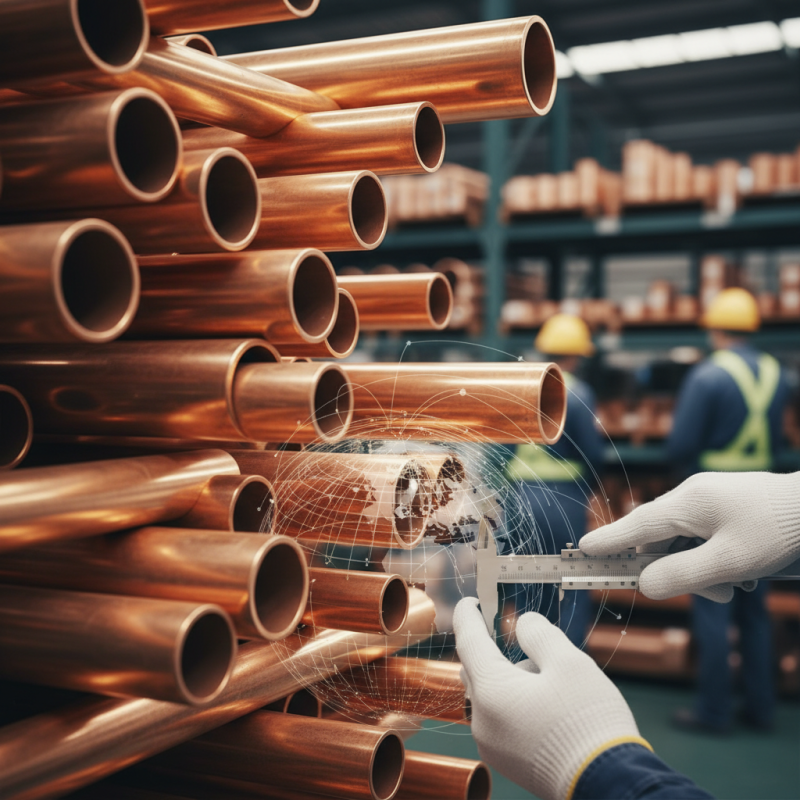
Understanding the Different Types of Copper Pipes Available Globally
When considering copper pipes, it's essential to understand the various types available globally. Two common types are Type K and Type L. Type K pipes are the thickest and most durable, often used for underground installations. Type L, being slightly thinner, is widely used for residential plumbing. Each type serves specific needs and environments.
Another option is Type M, which is generally thinner and often used for interior water lines. While Type M is less expensive, it may not be suitable for high-pressure applications. It's vital to weigh your project's demands against the pipe's properties. Many buyers overlook the significance of thickness and application.
Choosing the right type can prevent future issues. For instance, using the incorrect type might lead to leaks or bursts. Some buyers might focus solely on cost, neglecting quality. This reflection can help make better purchasing decisions. Understanding these factors leads to reliability in plumbing systems.
Key Factors to Consider When Sourcing Copper Pipes for Your Needs
When sourcing copper pipes, understanding key factors is crucial. The first factor is material quality. Industry reports indicate that 99.9% pure copper is the standard for durability and resistance to corrosion. Low-quality pipes may seem cheaper, but they often lead to costly repairs. Buyers should always request certifications to ensure material integrity.
Next, consider the manufacturing process. Pipes made through the continuous casting method tend to have fewer defects. This process enhances the mechanical properties of the copper. A study by the Copper Development Association notes that pipes produced this way have a higher tensile strength. When evaluating suppliers, ask about their production methods. Quality control is vital.
Pricing fluctuations in the copper market can also affect sourcing decisions. According to the World Bank, copper prices have faced ups and downs due to global demand changes. Monitoring these trends can aid in making informed purchasing decisions. Buyers may also want to explore different suppliers to compare pricing and delivery times. Patience and thorough research ensure effective sourcing.
Top 5 Factors to Consider When Sourcing Copper Pipes
Essential Quality Standards and Certifications for Copper Pipes
When selecting copper pipes, understanding quality standards is crucial. Many countries adhere to specific norms that ensure product reliability. The ASTM (American Society for Testing and Materials) provides guidance on materials. These standards help guarantee the pipes can withstand pressure and resist corrosion.
Certification marks can be a good indicator of quality. Look for pipes that have passed testing from recognized entities. These certifications often relate to durability and safety, which are essential for plumbing and heating systems. Be aware that not all certifications are equal. Some may be more stringent, leading to better products.
It’s also important to consider the source of copper. Recycled copper can vary greatly in quality. Sometimes, buyers receive pipes that don’t meet the expected standards. A visual inspection is always advisable, but it’s not foolproof. Documentation from manufacturers about the origin and processing of the copper is another layer of assurance you might need.
Best Practices for Negotiating Prices with Copper Pipe Suppliers
Navigating price negotiations with copper pipe suppliers can be complex. Start by researching market trends and pricing. This builds your confidence during discussions. Knowledge of current exchange rates is also crucial. Fluctuations can significantly impact overall costs.
Establish clear communication with suppliers. Ask about their pricing structure and any potential discounts for bulk orders. Be direct, yet flexible. Understand that suppliers may have constraints. Use these conversations to gauge their willingness to negotiate.
Sometimes you might feel pressure to agree quickly. Resist that urge. Take your time analyzing offers. Reflect on your budget and quality requirements. Consider alternative suppliers if needed. A thoughtful approach can lead to better pricing and long-term relationships.
Common Mistakes to Avoid When Buying Copper Pipes Internationally
When purchasing copper pipes internationally, attention to detail is essential. One common mistake buyers make is overlooking the specifications. Different countries often have varying standards. Ignoring these can lead to compatibility issues in projects. Always request detailed specifications from suppliers. A clear understanding of dimensions and grades is necessary.
Moreover, communication barriers can create misunderstandings. Relying solely on translated documents might not capture nuanced terms. Engaging with suppliers through direct conversation can clarify doubts. Misinterpretations can lead to unnecessary costs and delays.
Quality checks are also crucial. Many buyers assume all pipes meet standard quality. However, not all suppliers follow stringent quality control measures. Requesting samples and conducting tests on materials can help verify claims. Without proper checks, you risk investing in subpar materials. Remember, diligence today can prevent big issues tomorrow.
Top 5 Copper Pipe Tips for Global Buyers to Know
| Tip Number | Tip Description | Common Mistakes | Recommendation |
| 1 | Understand Copper Pipe Grades | Ignoring the differences in grades | Research and compare grades like Type K, L, and M |
| 2 | Check for Certifications | Purchasing non-certified products | Ensure certifications meet international standards |
| 3 | Assess Supplier Reputation | Buying from unknown suppliers | Verify supplier credentials and reviews |
| 4 | Understand Customs Regulations | Overlooking import duties | Research relevant import/export laws |
| 5 | Request Samples Before Bulk Orders | Ordering large quantities without testing | Always request samples to ensure quality |