Submit Inquiry
27 West Beaver Creek Road Unit #2
Richmond Hill, ON, CANADA L4B 1M8

International:

1-905-886-0335

US & Canada:

1-800-265-5696

Top 10 Types of Die Cutting Machines to Buy?

Choosing the right Die Cutting Machine is rarely as simple as comparing price tags. Material thickness, production volume, design complexity, and available floor space can change the decision. A compact craft cutter may suit labels and prototypes, while a rotary system supports continuous packaging production. Those machines may look similar online. Performance differs sharply.

This guide examines ten common die cutting machine types, including manual, digital, flatbed, rotary, platen, hydraulic, and clicker models. Each option has practical strengths and trade-offs. Cutting speed matters, but so do setup time, pressure control, tool costs, noise, maintenance, and operator safety. A high-speed machine may waste money in a small workshop. A low-cost model may become expensive when replacement dies and downtime accumulate.

The discussion uses manufacturer specifications, common converting practices, and realistic purchasing considerations. It also considers paper, cardboard, foam, leather, rubber, labels, and thin plastics. Actual results depend on the material and die design. That detail is easy to overlook. No ranking can fit every business. I may favor flexible equipment in some cases, yet a specialized machine could deliver better value for repeat orders. Buyers should test sample materials, confirm service support, and request clear information about maximum cutting size and pressure. Small details matter. A careful comparison can prevent an attractive machine from becoming an expensive, idle asset.

Top 10 Types of Die Cutting Machines to Buy?

What Are Die Cutting Machines and How Do They Work?

Die cutting machines shape paper, film, foam, fabric, and thin packaging materials with controlled pressure. A sharp die follows a designed outline, while the machine presses material against it. The result may be a label, carton panel, gasket, or decorative insert.

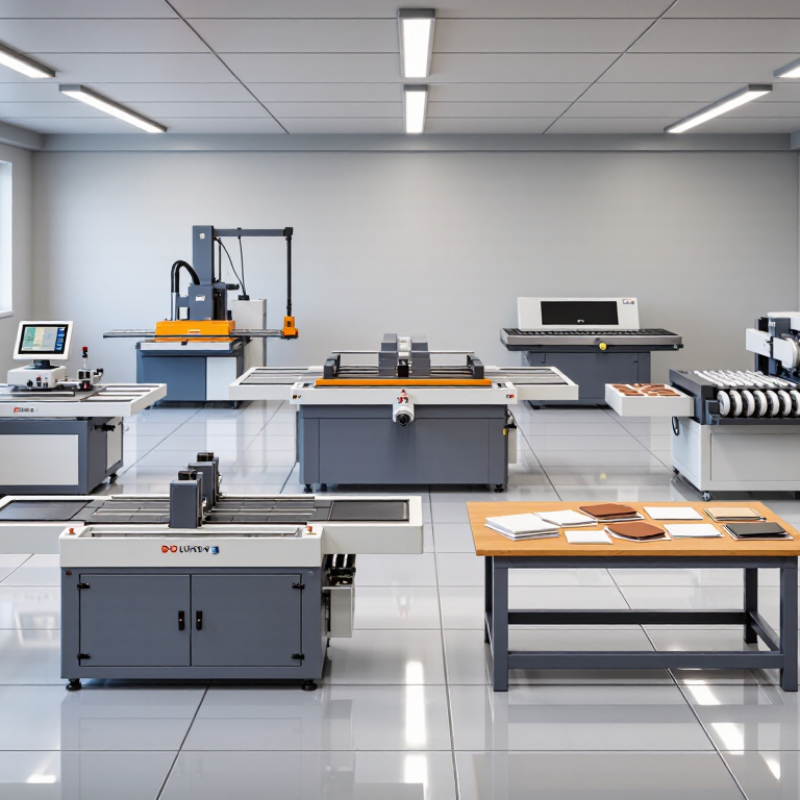
The main types include manual, flatbed, rotary, digital, laser, platen, clicker, hydraulic, pneumatic, and automatic machines. Each uses a different cutting method. Manual machines suit small batches and careful sampling. Flatbed models handle thicker sheets with accurate, repeated strokes. Rotary machines work continuously on rolls, making them useful for high-volume production. Digital systems cut without a physical die, which helps with short runs and frequent design changes.

A reliable setup starts with the material, not the machine. Check thickness, flexibility, grain direction, and surface coating before selecting a die. Operators should test cutting pressure gradually. Excessive pressure can crush edges or shorten die life. Insufficient pressure leaves uncut corners. Small adjustments matter.

Keep the work area clean.

In my experience, a perfect sample does not guarantee stable production. Temperature, material batches, and blade wear can change the result. This is easy to overlook. Measuring finished pieces with calipers, checking waste removal, and recording machine settings improves consistency. Safety guards, proper training, and routine maintenance also matter. A machine may look powerful, but uncontrolled force creates poor cuts and avoidable risks.

Ten Die Cutting Machine Types to Consider for Purchase

Ten Die Cutting Machine Types to Consider for Purchase

Choosing among ten die cutting machine types starts with the material, order volume, and required tolerance. A flatbed die cutter suits cardboard, foam, rubber, and short production runs. It uses a fixed die and applies controlled downward pressure. A rotary die cutter works continuously, making it practical for labels, films, and long web materials. Its cylinders support fast output, but tooling costs can rise quickly. A digital die cutter uses software-controlled blades and needs no physical die. It handles prototypes and variable designs well. However, its speed may disappoint during large orders.

A laser die cutter cuts intricate patterns without direct tool contact. It can mark edges on some materials, so testing matters. A platen die cutter offers reliable sheet processing for packaging and printed substrates. A clicker press fits leather, textiles, gaskets, and small batches. Operators position each piece manually, which demands care. A hydraulic die cutter delivers strong, even pressure for dense materials. It needs adequate floor space and trained operation. A mechanical die cutter cycles rapidly and can support demanding production schedules.

A punch press uses interchangeable tooling for repeated holes and shapes. It may be excessive for occasional work. A combined slitting and die cutting machine can reduce handling between processes. I would compare its actual changeover time, not only its advertised speed. Check cutting pressure, bed size, safety controls, spare tooling, and service access. I have seen impressive machines underperform because the chosen die was unsuitable. That detail deserves honest review. A small material trial often reveals more than a polished specification sheet.

Top 10 Types of Die Cutting Machines to Buy? — Ten Die Cutting Machine Types to Consider for Purchase
No. Machine Type Best Suited For Typical Materials Production Profile Main Advantages Important Limitations Typical Investment Level
1 Flatbed Die Cutting Machine Sheet-fed packaging, labels, gaskets, foam parts, and short-to-medium production runs Paperboard, corrugated board, foam, rubber, felt, films, laminates, and thin plastics Medium to high; one or more parts can be cut per stroke Accurate registration, flexible tooling, supports creasing, perforating, embossing, and waste stripping Requires a custom die; tooling changes take time and are less economical for very short runs Medium to high
2 Rotary Die Cutting Machine Continuous roll-to-roll production of labels, tapes, medical disposables, and flexible packaging Paper, adhesive films, foams, nonwovens, thin rubber, laminates, and flexible plastics Very high; continuous web processing with minimal stopping High throughput, consistent repeatability, inline slitting and laminating, and efficient material handling Rotary tooling can be expensive; setup is less flexible for frequent design changes High
3 Digital Knife Die Cutter Prototypes, customized packaging, sample making, and short-run production Paperboard, corrugated board, vinyl, foam, textiles, gasket materials, and flexible films Low to medium; optimized for rapid job changes rather than maximum speed No physical die required, fast setup, variable-data capability, and economical for small quantities Usually slower than rotary or press-based systems for long runs; blade wear affects cut quality Medium to high
4 Laser Die Cutting Machine Fine-detail cutting, labels, security features, electronics films, and digitally varied designs Paper, films, adhesive laminates, textiles, thin wood, and selected polymers Medium; performance depends on material, thickness, and cutting pattern No mechanical tooling, excellent detail, sealed edges on some synthetic materials, and easy design changes Heat-affected edges, fumes, ventilation requirements, and material limitations for reflective or heat-sensitive substrates High
5 Platen Press Die Cutter Cartons, tags, envelopes, folders, paper products, and molded-fiber components Paper, paperboard, corrugated sheets, thin plastics, foam, and fiber-based substrates Medium to high; intermittent press action with strong cutting force High cutting pressure, reliable creasing, strong performance with thicker sheets, and versatile tooling Stamping action can limit speed; requires careful die setup and operator safety controls Medium to high
6 Clicker Press Leather goods, footwear components, upholstery, sports products, and small-batch soft materials Leather, rubber, EVA foam, felt, textiles, cork, and flexible plastics Low to medium; suitable for batch cutting and multiple-layer work Simple operation, strong pressing force, relatively low entry cost, and suitable for varied shapes Manual loading is common; productivity depends heavily on nesting, handling, and operator skill Low to medium
7 Guillotine Paper Cutter Straight-line trimming, sheet sizing, print finishing, and paper-stack cutting Paper, cardstock, labels, thin board, and printed sheets Medium to high for straight cuts; not intended for shaped profiles Fast and accurate straight cuts, simple tooling, low waste for rectangular formats, and easy operation Cannot create internal openings or complex contours; requires strict blade-guard procedures Low to medium
8 Punch Press Die Cutter High-volume punched components, washers, gaskets, electrical insulation, and metal or nonmetal blanks Sheet metal, rubber, fiber, plastic sheet, leather, foam, and composite materials High when dedicated tooling and automated feeding are used Fast repetitive production, strong force, and compatibility with progressive or multiple-cavity tooling Tooling and setup can be costly; noise, guarding, and maintenance requirements are significant Medium to high
9 Waterjet Cutting Machine Thick, hard, heat-sensitive, or multi-material parts requiring a cold-cutting process Rubber, foam, composites, stone, glass, metals, plastics, and laminated materials Low to medium; depends on material thickness, abrasive use, and cutting complexity No heat-affected zone, cuts many material types, handles thick stock, and produces complex profiles High water and power consumption, slower than dedicated presses for repetitive thin parts, and requires wastewater management High
10 Slitter and Rotary Sheeter Roll conversion, narrow-web strips, sheet production, and preparation before downstream die cutting Paper, film, foil, laminates, adhesive stock, nonwovens, and flexible packaging webs Very high for straight longitudinal or cross-web cuts Excellent roll productivity, accurate web-width control, reduced manual handling, and easy integration with converting lines Primarily performs straight cuts; complex shapes require an additional die-cutting or digital cutting process Medium to high
Selection factors include material type and thickness, required cutting shape, production volume, tolerance, changeover frequency, tooling budget, automation level, ventilation needs, and operator-safety requirements.

How Each Die Cutting Machine Type Handles Different Materials

Top 10 Types of Die Cutting Machines to Buy?

Material choice should guide the machine purchase. Flatbed die cutters suit paperboard, corrugated sheets, leather, foam, and thin plastics. Their vertical pressure produces clean creases and controlled folding lines. Rotary die cutters work faster on continuous paper, film, labels, and flexible packaging. They are efficient, but thick board can reduce cutting accuracy.

Platen machines handle cartons, rubber, gaskets, and stacked textiles with strong, even pressure. Steel-rule systems are flexible for prototypes and medium production runs. Clicker presses suit leather, felt, and dense fabric.

Punch presses perform well on repeated shapes in foam and rubber. Laser cutters process paper, acrylic, wood veneer, and synthetic textiles without physical tooling. Heat can darken edges, though.

Digital die cutters use programmable blades for short runs, samples, and mixed materials. Waterjet systems cut dense foam, composites, and rubber while limiting heat damage. Rotary shear cutters are useful for thin films and web materials.

Smithers’ 2024 packaging analysis identifies short runs, versioning, and waste reduction as major digital-print drivers. These trends favor digital and laser cutting for customized orders. The Freedonia Group’s die-cutting equipment research also links demand to packaging production and automation. Still, reports do not replace testing. Material density, coating, grain direction, and moisture can change results. A machine that cuts kraft board neatly may tear laminated film. I would test the actual substrate, not just its thickness. That small step is often missed.

Key Features, Costs, and Safety Factors to Compare

Top 10 Types of Die Cutting Machines to Buy?
Key Features, Costs, and Safety Factors to Compare

The main choices include flatbed, rotary, platen, clicker, punch, laser, digital, cylinder, guillotine, and waterjet machines. Flatbed and platen models suit cartons, foam, leather, and layered sheets. Rotary machines support fast, repeated production with consistent pressure. Digital cutters reduce tooling costs and handle short runs or changing designs. Laser systems offer precise details, but they need proper extraction and material controls.

Cost depends on working size, automation, cutting force, software, and maintenance. Small manual machines may cost hundreds to several thousand dollars. Industrial rotary or automated systems can cost tens of thousands. Tooling adds expense, especially with custom dies. Ask for total ownership costs, including blades, dies, electricity, training, and downtime. Prices vary widely. My estimates are only a starting point.

Safety deserves equal attention. Look for guarded cutting zones, emergency stops, two-hand controls, interlocks, and clear operating instructions. Inspect blades and fasteners before each shift. Lock out power during maintenance. Laser machines require enclosed paths, suitable ventilation, and approved materials. Waterjet systems need pressure safeguards and splash protection. I would not choose speed over visibility. A cheaper machine can become expensive after one preventable injury or poorly planned repair.

How to Choose the Right Die Cutting Machine for Your Needs

Choosing among the top 10 types of die cutting machines starts with the material, not the machine’s advertised speed. Flatbed machines suit thick board, foam, and short runs. Rotary systems are better for continuous production and narrow-web labels. Laser cutting handles intricate prototypes without physical dies, but heat may discolor sensitive films. Platen machines offer strong pressure for cartons, while digital systems reduce setup time for variable designs.

Production data supports a careful approach. Smithers’ report, The Future of Global Packaging to 2028, values the global packaging market at more than US$1 trillion and forecasts continued growth. That scale rewards automation, but only when volume justifies it. Ask for your average run length, material thickness, cutting tolerance, changeover frequency, and scrap rate. A small workshop may gain more from flexible tooling than from maximum output. This is often missed.

Energy and waste also deserve measurement. The U.S. Environmental Protection Agency reported that containers and packaging represented 28.1% of municipal solid waste generation in its latest detailed material-flow dataset. Your machine cannot solve every waste problem, though better nesting, pressure control, and registration can reduce avoidable scrap. Request sample trials using your actual substrate. Record cycle time, edge quality, noise, operator adjustments, and rejected pieces. My first estimate can be wrong. A slower machine with reliable setup may deliver more usable products than a faster model requiring constant correction.

123