
Submit Inquiry
27 West Beaver Creek Road Unit #2
Richmond Hill, ON, CANADA L4B 1M8

International:

1-905-886-0335

US & Canada:

1-800-265-5696

7 Tips to Cut Spicy Hot Pot Operating Fees

Running a spicy hot pot restaurant can look profitable, yet small daily expenses often reduce the final margin. Spicy Hot Pot Operating Fees include more than rent, ingredients, and staff wages. They also cover fuel, electricity, ventilation, cleaning supplies, delivery commissions, equipment repairs, and food waste. A busy dining room may still lose money when these costs remain unnoticed.

Real experience shows that weak cost control often begins with simple habits. An oversized broth pot may consume unnecessary energy throughout the evening. Unmeasured chili oil can increase ingredient spending without improving customer satisfaction. Poor table turnover may also raise labor costs during slow periods. These details seem minor, but they become significant across hundreds of meals each month.

Small changes can create measurable improvements. Reviewing supplier prices, recording daily waste, and matching staff schedules with reservation patterns can protect cash flow. Better portion control may reduce waste while preserving the restaurant’s signature flavor. However, not every saving method works for every location. Lowering ingredient quality could damage trust and repeat business. That risk deserves careful attention. The following seven tips focus on practical ways to reduce operating expenses without weakening food safety, service quality, or the dining experience. They are designed for owners who need clearer numbers, realistic decisions, and steady improvement rather than quick promises. Perfect control is unlikely. Consistent review is more useful.
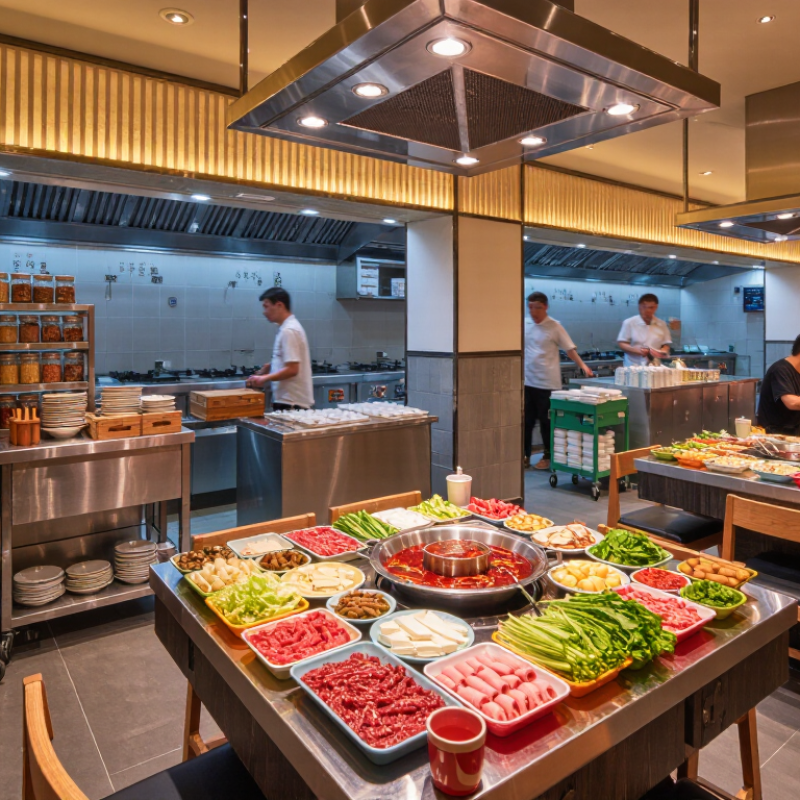
7 Tips to Cut Spicy Hot Pot Operating Fees

Assess Your Spicy Hot Pot Operating Costs

7 Tips to Cut Spicy Hot Pot Operating Fees

Assess Your Spicy Hot Pot Operating Costs

A reliable cost review starts with a clear monthly ledger. Track rent, wages, ingredients, utilities, packaging, repairs, and permits separately. Calculate the cost per guest, not only the total bill. Fixed costs stay stable, while broth, meat, vegetables, and sauces change with sales volume.

Tip one: compare supplier prices weekly. Tip two: measure every portion with scales and ladles. A small excess becomes expensive.

Review your energy use. Record gas or electricity readings during lunch and dinner shifts. Tip three: adjust burner settings without weakening food safety controls. Tip four: prepare broth in batches that match expected demand. Unsold broth creates waste and quality concerns.

Tip five: inspect freezers, induction units, and ventilation equipment monthly. Poor seals and clogged filters quietly increase utility fees.

Keep repair records. They reveal repeated problems before equipment fails.

Labor Deserves Careful Attention

Labor deserves careful attention. Tip six: match staff schedules with reservation patterns and hourly sales. Overstaffing during slow afternoons can erase profit. Cross-train employees for serving, cleaning, and preparation, while keeping hygiene procedures clear.

Tip seven: review waste at closing time. Record untouched vegetables, excess noodles, damaged packaging, and discarded broth.

Our early estimates were too optimistic because we ignored small daily losses. That mistake matters. Use a simple spreadsheet, check invoices against deliveries, and question unusual changes. Cost control is not always perfect, but consistent measurement makes each decision more dependable.

Reduce Ingredient Waste and Improve Purchasing Efficiency

7 Tips to Cut Spicy Hot Pot Operating Fees

Reduce Ingredient Waste and Improve Purchasing Efficiency

A profitable spicy hot pot kitchen starts with accurate portion control. Weigh sliced meat, noodles, and vegetables before service. Use fixed ladles for broth and sauces. This reduces guesswork during busy hours. Track leftovers in a simple daily log. Record what was discarded, when, and why. A half tray of wilted greens can reveal a purchasing mistake.

Check inventory before placing every order. Compare yesterday’s sales with today’s expected bookings. Buy leafy vegetables more frequently, but purchase dry goods in planned quantities. Keep seafood and meat in clearly dated containers. First-in, first-out storage prevents forgotten stock. It sounds basic. Staff still miss it.

Review supplier prices weekly, not only when costs rise. Compare weight, quality, delivery fees, and usable yield. A cheaper case may contain more trimming waste. Request consistent pack sizes when possible. Schedule deliveries around actual storage capacity. Overfilled refrigerators cause poor airflow and spoilage. Adjust the menu when certain ingredients become expensive or unavailable. However, changing dishes too often can confuse staff and increase waste.

Train one team member to check receiving temperatures, weights, and damaged packaging. Keep photographic records for disputed deliveries. Review purchasing variance every week. If the numbers look strange, investigate calmly. My own early forecasts were often too optimistic, especially before holidays. Weather, local events, and reservation changes can shift demand quickly. Build a small safety margin, but do not turn caution into overstocking.

Control Energy, Water, and Kitchen Equipment Expenses

7 Tips to Cut Spicy Hot Pot Operating Fees

Control Energy, Water, and Kitchen Equipment Expenses

A practical cost review starts with three daily logs: energy use, water flow, and equipment hours. Tip 1: Record meter readings before opening and after closing. Small leaks become expensive when ignored. Tip 2: Group broth preparation during lower-demand periods, when possible. Keep burners covered while heating to reduce wasted energy. I once overlooked a loose lid for several days. That mistake was measurable.

Tip 3: Use thermostats and timers instead of constant high heat. Food safety must remain the priority, and local requirements should guide every temperature decision. Tip 4: Wash vegetables in measured basins, not under running taps. Tip 5: Check spray nozzles, hoses, and drain seals each week. A dripping faucet may seem harmless. It is not. Train staff to report unusual sounds, heat, or water pressure immediately.

Tip 6: Maintain burners, refrigeration units, exhaust systems, and induction surfaces on a fixed schedule. Clean filters help equipment work with less strain. Tip 7: Buy durable kitchen equipment only after comparing capacity, repair access, and energy performance. The cheapest unit may create higher service costs later. Review replacement decisions with maintenance records, not guesswork. Some savings plans fail because managers measure utility bills but ignore labor time. That gap deserves attention.

7 Tips to Cut Spicy Hot Pot Operating Fees

Estimated monthly savings from controlling energy, water, and kitchen equipment expenses

This planning model compares typical monthly operating costs before and after practical controls such as induction-cooker scheduling, boiler temperature management, leak inspections, water-flow reduction, preventive maintenance, and efficient equipment use. Values are shown in USD and represent realistic operating assumptions rather than company-specific results.

Optimize Staffing and Daily Restaurant Operations

7 Tips to Cut Spicy Hot Pot Operating Fees

Staffing decisions shape daily costs more than dramatic menu changes. Review reservations, weather, and weekday patterns before writing the next schedule. Assign experienced cooks to busy periods, then cross-train servers to handle simple preparation tasks. This reduces idle labor without weakening service. Keep one flexible team member during peak hours. A perfect schedule is unrealistic.

Prepare broth ingredients in measured batches, not by guesswork. Use clear portion scoops for meat, vegetables, and dipping sauces. Label containers with preparation times and discard dates. A short opening checklist can prevent missing items, repeated prep, and rushed purchases. Store frequently used ingredients near the main cooking station. Small movements save minutes.

Track waste at closing. Record spoiled vegetables, unfinished ingredients, broken containers, and overfilled serving plates. Review the notes every week with the kitchen team. Adjust purchasing quantities slowly, because aggressive cuts can create empty shelves. Clean burners, exhaust filters, and refrigeration seals on a fixed schedule. Neglected equipment often consumes more energy. I once reduced prep labor by changing the workflow, but service slowed because the new layout ignored staff movement. Test changes during quiet shifts before applying them across every service. Use simple cost reports, and let actual sales challenge assumptions.

7 Tips to Cut Spicy Hot Pot Operating Fees - Optimize Staffing and Daily Restaurant Operations
No. Cost-Control Tip Operating Action Current Level Target Level Estimated Monthly Saving Primary KPI
1 Match staffing to demand Use hourly cover forecasts and staggered shifts instead of fixed staffing throughout the day. 1,080 labor hours 900 labor hours $2,970 Labor hours per 100 covers
2 Reduce overtime exposure Set weekly schedules earlier, cross-train employees, and require manager approval for overtime. 72 overtime hours 24 overtime hours $1,152 Overtime hours as % of total hours
3 Control food waste Apply batch-preparation limits, date labels, first-in-first-out storage, and daily waste logs. 5.5% of food purchases 3.5% of food purchases $360 Waste cost as % of food purchases
4 Improve inventory accuracy Count high-value proteins, soup bases, seafood, and packaged items on a rotating schedule. 2.8% inventory variance 1.6% inventory variance $360 Inventory variance as % of purchases
5 Optimize energy usage Preheat equipment closer to peak periods, shut down idle burners, and maintain refrigeration seals. $4,200 utility cost $3,570 utility cost $630 Utility cost per operating day
6 Standardize portion sizes Use calibrated ladles, scales, and portion cards for broth bases, meats, noodles, and sauces. 7.0% portion variance 4.0% portion variance $900 Food cost percentage
7 Tighten daily operating controls Complete opening, closing, temperature, cleaning, cash, and equipment checklists every day. 82% checklist completion 98% checklist completion $300 Preventable operating incidents per month
Estimated Total Monthly Operating Savings $6,672 Planning benchmark
Calculation basis: 30 operating days per month, $16.50 average straight-time wage, $24.00 average overtime wage, $18,000 monthly food purchases, and $4,200 monthly utilities. Actual results vary by location, menu mix, labor market, occupancy, and local utility rates.

Use Technology to Track Costs and Increase Profitability

7 Tips to Cut Spicy Hot Pot Operating Fees

Use Technology to Track Costs and Increase Profitability

Tip 1: Connect your point-of-sale system with digital inventory records. Track broth bases, sliced meat, vegetables, and sauces after each service. A daily usage report can expose waste before it becomes expensive. Small leaks matter.

Tip 2: Set cost alerts for high-value ingredients. Compare actual usage with recipe portions and customer orders. If twelve kilograms of meat serve fewer tables than expected, investigate preparation, spoilage, or recording errors. The data may be imperfect, so staff should verify unusual results manually.

Tip 3: Monitor utility consumption with smart meters. Hot pot equipment can run for long hours, especially during quiet periods. Compare electricity readings with sales by hour. Adjust heating schedules without affecting food safety or guest comfort. Test changes carefully.

Tip 4: Use a labor dashboard to match staffing with demand. Review table turnover, reservations, and hourly sales together. This can reduce unnecessary idle time while protecting service quality. Cutting hours too aggressively may increase mistakes and customer complaints.

Tip 5: Create a weekly profit report that includes food, labor, utilities, delivery, and maintenance fees. Managers should review trends, not isolated numbers. A spreadsheet is enough at first, but automated reports reduce repeated calculations and missed details.

Tip 6: Record customer leftovers and returned ingredients. These figures can reveal oversized portions or unpopular items. Some waste is unavoidable. Ignoring it is not.

Tip 7: Train employees to enter data consistently. A profitable system depends on accurate inputs. Review two or three random records each week, then correct the process rather than blaming one worker. Technology supports judgment; it cannot replace it.

123