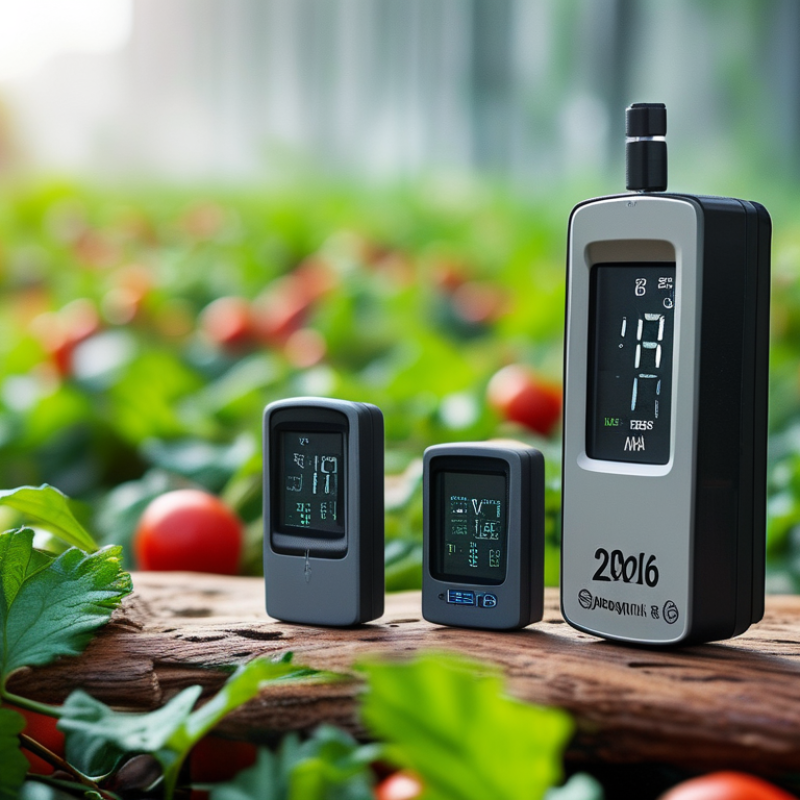
Top Tips for Choosing a Temperature Humidity Sensor in 2026?
Choosing the right Temperature Humidity Sensor can be daunting in 2026. With advanced technology, various options exist. Understanding the specific needs of your application is essential.
This sensor measures temperature and humidity accurately. Precision matters for industries like agriculture or HVAC. Look for sensors with reliable performance and robust design. Consider factors like calibration, response time, and durability. Seek out brands with good reputations and user reviews.
While many sensors claim high accuracy, not all deliver. Some may fail in challenging environments. Testing is crucial, especially for critical applications. Opt for sensors that provide clear data outputs. The right Temperature Humidity Sensor can enhance productivity and safeguard your environment. Choose wisely and invest time in research.
Understanding the Importance of Temperature Humidity Sensors
Temperature humidity sensors play a crucial role in various industries, ensuring optimal conditions for products and processes. According to a report by MarketsandMarkets, the global market for these sensors is expected to reach $10.2 billion by 2026. This growth reflects the increasing importance of monitoring environmental conditions, especially in sectors like pharmaceuticals, food storage, and HVAC systems.
Understanding the importance of temperature humidity sensors can lead to improved product quality and safety. For instance, in the pharmaceutical industry, maintaining specific temperature and humidity levels is vital to preserve the efficacy of medications. Deviations can result in substantial financial losses. In 2022, the global pharmaceutical sector reported losses exceeding $2 billion due to improper storage conditions.
In addition, poor humidity control can lead to mold growth in food storage facilities. The CDC highlights that various foodborne illnesses are linked to improper storage. This underlines the necessity for reliable monitoring solutions. Selecting the proper temperature humidity sensor can significantly mitigate these risks. It's essential to consider factors such as accuracy, lifespan, and response time. In a world increasingly reliant on precise environmental control, these sensors are more than just tools—they are essential for safeguarding health and quality.
Key Specifications to Consider When Selecting a Sensor
Selecting a temperature humidity sensor requires attention to key specifications. Precision is one critical aspect. A sensor with high accuracy ensures reliable data. Low accuracy can lead to wrong conclusions. This may affect climate control and product storage. Sensitivity is another factor to consider. A responsive sensor will react quickly to changes. Slow sensors might miss critical environmental shifts.
Calibration options are also important. Sensors requiring regular calibration can increase operational costs. Choose models that maintain accuracy over time without frequent adjustment. Additionally, the range of temperature and humidity should suit your needs. A sensor with a limited range might not perform well in all environments. Durability and environmental rating matter too. Some sensors operate well in harsh conditions, while others do not. Check if the sensor fits your specific environment.
Integration capabilities are often overlooked. Ensure the sensor can connect to existing systems easily. Compatibility issues can create more problems later on. Data logging features might be beneficial for tracking trends. Sensors that provide this feature can enhance decision-making. Think about your long-term needs when assessing these specifications. The right choice today influences performance tomorrow. Always weigh the pros and cons thoroughly.
Top Tips for Choosing a Temperature Humidity Sensor in 2026
This bar chart illustrates the key specifications to consider when selecting a temperature humidity sensor, including accuracy, response time, measurement range, and durability. Each specification is crucial for ensuring optimal sensor performance in varying environments.
Types of Temperature Humidity Sensors and Their Applications
When selecting a temperature humidity sensor, understanding the various types available is crucial. Sensors can be broadly categorized into capacitive, resistive, and thermal types. Capacitive sensors measure humidity through changes in capacitance. These are commonly used in HVAC applications.
Resistive sensors operate by measuring the change in electrical resistance. They are often found in agricultural settings.
Thermal sensors detect temperature by measuring thermal conductivity changes in the ambient air. They are valuable in industrial applications requiring precise control.
According to a 2023 market analysis by ResearchAndMarkets, the global temperature and humidity sensor market is projected to grow at a CAGR of 7.2% from 2023 to 2028. This indicates a rising demand across various sectors, including food processing and pharmaceuticals.
Different applications necessitate different sensor types. For instance, medical facilities require highly accurate and reliable sensors to maintain optimal conditions for patient care. In contrast, manufacturing plants may prioritize durability over accuracy. Despite the advancements, challenges remain. Some sensors can be affected by dust or moisture buildup, requiring regular maintenance. Understanding these details can greatly enhance your sensor selection process.
Evaluating Sensor Accuracy and Calibration Methods
When choosing a temperature humidity sensor, accuracy is paramount. Sensors should provide precise readings to ensure environmental conditions meet specific requirements. Calibration methods play a crucial role in maintaining this accuracy. Proper calibration involves comparing the sensor's readings against a reliable reference. This helps identify any discrepancies, ensuring that data collected is trustworthy.
Different calibration techniques exist. Some sensors use manual calibration, while others leverage automated systems for regular checks. Manual calibration often requires expert knowledge and can introduce human error. Automated systems, although more expensive, offer consistency and reliability. Users should consider their environment and needs when selecting a calibration method.
Remember to factor in the sensor's operating range. Some sensors perform better in specific temperature and humidity conditions. This detail can significantly impact the accuracy of readings. Reflecting on this can save users time and resources in the long run. Continuous education on calibration methods enhances decision-making. Prioritizing expert guidance or resources ensures effective sensor selection.
Future Trends in Temperature Humidity Sensor Technology
As we look ahead to 2026, the evolution of temperature humidity sensors will significantly influence various sectors. Sensors are becoming smaller, more accurate, and increasingly versatile. Improved miniaturization allows for integration into smart devices, enhancing comfort and energy efficiency in homes and offices. With these advancements, the expectation is for real-time data monitoring to become a standard feature.
The technology behind these sensors continues to advance. Enhanced sensor materials and algorithms are providing better performance under different environmental conditions. Companies are researching new methods for increasing accuracy and speed in response times. This shift may lead to sensors that not only measure humidity and temperature but also predict atmospheric changes, benefiting applications like agriculture and climate research.
However, as technologies develop, challenges remain. Ensuring data security is crucial as more devices connect to the internet. Additionally, calibration and maintenance of these sensors must keep pace with advancements. Maintaining reliability over time is essential for all users, from consumers to industry professionals. Future innovations must address these concerns while promoting greater reliability and user experience.