How to Repair Pipes without Digging for Quick Solutions?
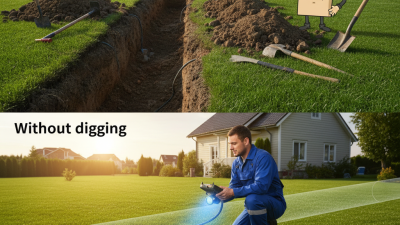
In the realm of plumbing, the phrase "pipe repair without digging" has garnered attention from both professionals and homeowners. Experts like John Thompson, a leading figure at PipeTech Solutions, emphasize, "Innovation in pipe repair has transformed how we address issues beneath the surface." This approach minimizes disruption, offering quick solutions for urgent plumbing problems.
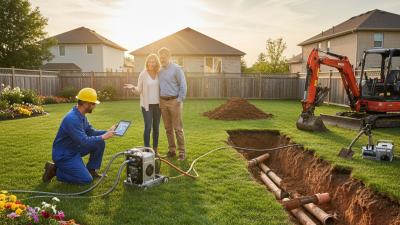
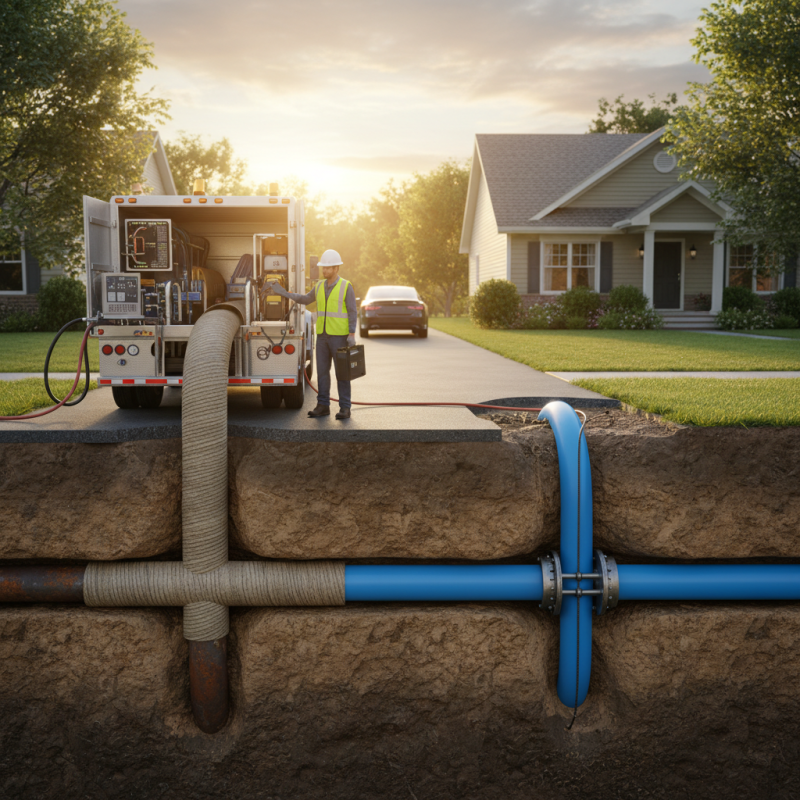
Conventional pipe repair methods often involve significant excavation. This can lead to costly repairs and extended downtime. However, techniques such as trenchless pipe repair provide a viable alternative. These methods allow for efficient repairs with minimal impact on the surrounding environment. For example, lining existing pipes or using burst replacement techniques can restore functionality without major construction work.
As plumbing technology evolves, practitioners must adapt. There is a learning curve associated with new methods. Some technicians may initially hesitate to embrace these innovations. Despite the challenges, the benefits are clear. Quick, effective, and less invasive repairs are possible. "Pipe repair without digging" will continue to shape the industry, making it crucial for professionals to stay informed.
Understanding Pipe Damage and Its Causes
Pipe damage can arise from various factors. Ageing infrastructure is a common cause, leading to corrosion and leaks. Extreme temperatures also play a role. Freezing water can expand, causing pipes to crack. Tree roots searching for moisture can infiltrate underground pipes, causing blockages.
Recognizing the signs of pipe damage is crucial. Water stains on walls or ceilings indicate leaks. A sudden increase in your water bill may suggest hidden issues. If your drains are slow, it could signal a blockage or buildup. Employing non-invasive repair methods can address these problems effectively. Trenchless technology allows for repairs without extensive digging. This method minimizes disruption and restores functionality quickly.
Each situation requires careful assessment. Consulting with professionals improves outcomes. They can determine the most efficient method to tackle specific types of damage. Not all damage is visible; sometimes, it requires further investigation. Regular maintenance can prevent many of these issues and save you hassle in the long run.
Identifying the Right Tools for No-Dig Pipe Repair
No-dig pipe repair has gained popularity due to its efficiency. Traditional methods often involved excavation, which could cost time and money. According to a recent study, nearly 70% of homeowners prefer methods that minimize disruption. Identifying the right tools for no-dig solutions is crucial for successful repairs.
The most essential tools include trenchless technology equipment, such as pipe relining kits. These kits allow for seamless repairs without extensive digging. Moreover, inspections with specialized cameras can help pinpoint issues before repair. In fact, about 60% of industry experts recommend using video inspection to locate blockages accurately. This approach not only saves time but also reduces the chances of unnecessary repairs.
However, selecting the right tool can be challenging. Not all repairs will require the same solution. Factors such as pipe material and damage type can influence tool selection. It's important to have the right experience for each situation. Keeping up with the latest techniques and tools is necessary. Many industry professionals recognize the learning curve involved in no-dig methods. Experimentation may lead to unexpected outcomes, but adapting to these challenges is vital for successful pipe repairs.
How to Repair Pipes without Digging for Quick Solutions?
| Tool |
Description |
Common Use |
Advantages |
Disadvantages |
| Pipe Relining Kit |
A kit for applying a resin coating inside existing pipes. |
Used for repairing cracks and leaks in underground pipes. |
Non-invasive, durable solution that extends the life of pipes. |
Initial cost can be high; requires skill to apply. |
| Pipe Patch Kit |
A simple patch that seals leaks temporarily. |
Used for quick fixes on small leaks. |
Easy to use, requires minimal tools. |
Temporary solution; may not withstand high pressure. |
| Pipe Freezing Kit |
Allows for temporary freezing of water in pipes to make repairs. |
Used when a section of pipe needs to be replaced. |
No water interruption during repairs. |
Requires refrigeration equipment; not suitable for all pipe types. |
| Compression Fittings |
Fittings that create a seal by compressing around the pipe. |
Used to connect two sections of pipe tight and leak-free. |
Quick installation; no need for soldering or welding. |
Might not be as strong as welded joints; potential for wear over time. |
Step-by-Step Guide to Using Pipe Lining Techniques
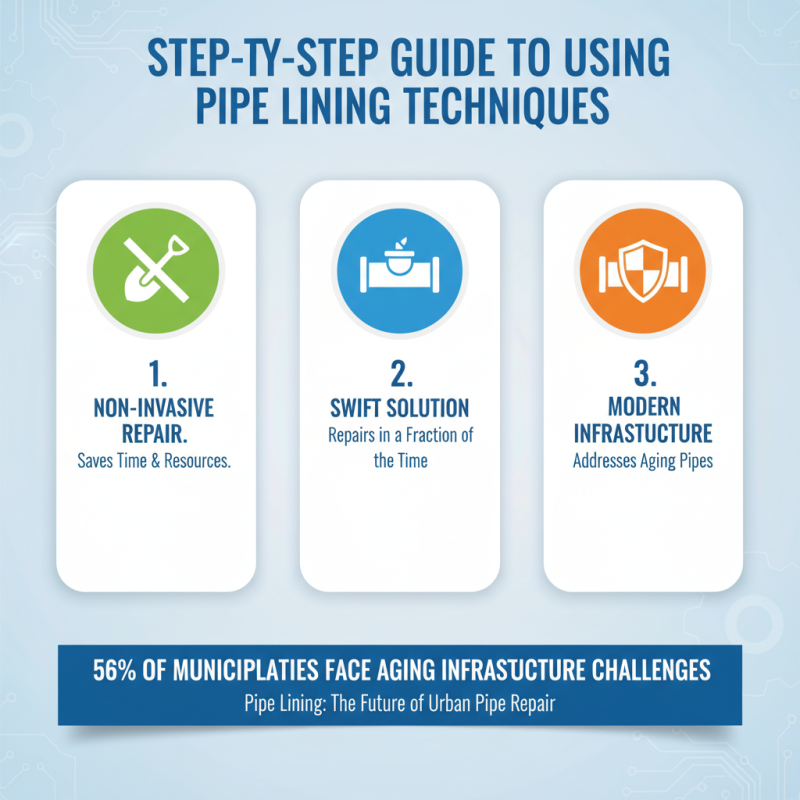
Repairing pipes without digging can save time and resources, especially in urban settings. Pipe lining techniques offer a non-invasive solution, allowing for swift repairs. According to industry reports, nearly 56% of municipalities face challenges with aging infrastructure. Using pipe lining methods, repairs can be completed in a fraction of the time compared to traditional digging.
Start by assessing the condition of the pipe through video inspections. This step helps identify cracks or leaks without intrusive measures. Once you know where the issue is, clean the pipe thoroughly. This process typically involves high-pressure water jetting, ensuring the surface is ready for lining. The lining material is then inserted and inflated to form a new pipe within the old one. This method is effective and minimizes disturbance to the surrounding environment.
Tips: Always conduct a thorough inspection before proceeding with repairs. This can reveal deeper issues that may need attention. Ensure that the lining material is appropriate for the specific type of pipe being repaired. Regular maintenance checks after the repair can extend the life of the lining. Evaluate the effectiveness of your repair methods regularly, as improvements may emerge from ongoing research in pipe-lining technology.
Exploring Pipe Bursting as a Repair Method
Pipe bursting is an innovative method for repairing damaged pipes without extensive digging. This technique allows for the installation of new pipes while breaking apart the old ones. It minimizes disruption to your property, making it an attractive option for homeowners and businesses alike.
The process begins with a small entry point. A specialized bursting head is inserted into the damaged pipe. As it moves forward, the head fractures the old pipe and creates space for the new one. This process is quick and can often be completed in a single day.
One key benefit is reduced landscaping damage. Traditional methods often require large trenches, which can ruin gardens and pathways. However, pipe bursting requires less excavation, preserving your outdoor aesthetics. Remember, while effective, this method may not suit all situations. It’s essential to consult a professional to assess the condition of your plumbing system before deciding.
Pipe Repair Methods Comparison
This chart compares different pipe repair methods based on the estimated repair time required for each method. Pipe bursting offers a quick solution, significantly reducing the time compared to traditional digging methods.
Maintenance Tips to Prevent Future Pipe Issues
Maintaining your plumbing system is essential to prevent costly repairs. Statistics show that approximately 1 in 10 households experience some form of plumbing issue each year. Regular inspections can catch small problems before they escalate. Homeowners should consider checking for visible leaks and signs of corrosion around pipes.
Simple preventive measures can drastically reduce risks. Insulating exterior pipes can minimize freeze-related damage, especially in colder climates. Additionally, using a drain strainer can catch debris, limiting clogs. According to industry reports, nearly 70% of pipe issues stem from neglect and lack of maintenance. Regularly flushing drains can help in avoiding buildup.
It’s also important to monitor water pressure. The ideal pressure is around 40-60 psi. High pressure can strain pipes and lead to bursts. Keeping an eye on pressure gauges can save you from future headaches. Simple actions, like knowing when to call a professional, can improve your plumbing experience. Even small steps make a difference in long-term pipe health.