What Is Excavation Equipment and What Is It Used For?
Excavation Equipment forms the working core of many construction, mining, landscaping, and utility projects. It removes soil, breaks hard ground, lifts materials, and shapes uneven sites. Common examples include excavators, backhoe loaders, bulldozers, wheel loaders, trenchers, and compact machinery. Each machine has a different strength. A tracked excavator can dig beside a foundation, while a skid steer can move quickly through a tighter area.
Mike Woof, a veteran construction-equipment journalist, explains the central principle clearly: “The machine must match the work, not merely the budget.” That idea matters on real job sites. A machine may look powerful on paper but struggle in wet clay, loose gravel, or restricted urban spaces. Operators must consider digging depth, lifting capacity, attachment compatibility, ground pressure, fuel use, and visibility. A narrow trench bucket may improve accuracy. A hydraulic breaker may save time on concrete. The wrong attachment can create delays.
This guide examines what Excavation Equipment is and how contractors use it safely and efficiently. It also considers maintenance, operator experience, site access, and environmental conditions. Practical decisions often begin with simple observations: muddy tracks, overloaded buckets, or poor sightlines. Small details matter. Specifications are useful, but they do not tell the whole story. Even experienced teams can choose poorly when schedules become tight. That weakness deserves attention. Good equipment selection combines manufacturer data, field experience, careful planning, and honest review after the work is finished.
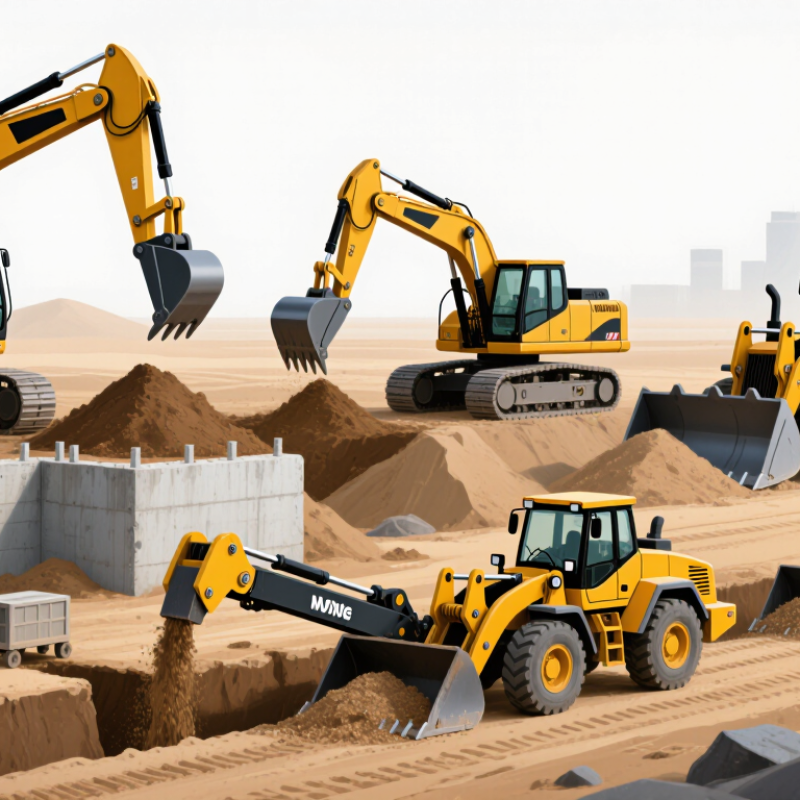
What Is Excavation Equipment?
Excavation equipment is machinery designed to remove, move, or shape soil, rock, and other ground materials. Common examples include excavators, backhoes, trenchers, loaders, and compact digging machines. Each machine uses different attachments, such as buckets, breakers, augers, or grapples. The attachment often determines the real job.
An excavator can open a foundation pit, clear roots, or prepare space for drainage pipes. A trencher cuts narrow, consistent channels for cables and water lines. Loaders move loose soil into trucks or across a work area. On a small residential site, compact equipment may fit between fences while protecting nearby surfaces. Larger machines provide greater digging depth and lifting capacity.
Choosing equipment requires more than checking engine power. Operators must consider soil type, trench depth, access space, underground utilities, slope stability, and weather. Wet clay behaves differently from dry gravel. A machine can appear suitable but still damage fragile ground or overload an unstable edge. Experienced crews inspect hydraulic lines, attachments, alarms, and brakes before work begins. They also monitor the bucket load and keep people outside the swing radius.
Equipment does not replace judgment. Even skilled operators can misread hidden roots, buried concrete, or changing soil pressure. That uncertainty deserves attention. A careful plan may slow the first hour, but it can prevent expensive corrections later.
How Excavation Equipment Works
Excavation equipment works by converting engine power into controlled hydraulic force. A pump pushes pressurized oil through valves, hoses, and cylinders. These cylinders move the boom, arm, and bucket in sequence. The operator adjusts flow with joysticks, while tracks or wheels provide stability and movement. A complete digging cycle includes positioning, cutting soil, lifting material, swinging, and dumping. Each motion depends on pressure, load, and careful timing. Small delays can increase fuel use and bucket wear.
Off-Highway Research reported approximately 1.1 million construction machines sold worldwide in 2023. That scale reflects excavation equipment’s importance across infrastructure, utilities, mining, and site preparation. In practice, soil conditions change everything. Clay resists bucket penetration, while loose gravel may spill during the swing. Field training commonly emphasizes matching bucket size, hydraulic capacity, and ground conditions. Yet operators sometimes prioritize speed. That choice can damage components and reduce control. The machine is powerful, but not intelligent enough to correct poor judgment.
Tips: Inspect hydraulic hoses before starting. Look for cuts, oil mist, or unusual swelling. Keep the bucket low when travelling. Use gradual joystick movements near underground services. Measure cycle time, fuel use, and idle hours each day. These records reveal waste that the cab display may miss. Recheck your assumptions after every shift.
Main Types of Excavation Equipment
Excavation equipment includes machines that dig, cut, lift, move, or grade soil. Its selection depends on ground conditions, excavation depth, access, and project size. An experienced operator studies the soil before starting. Wet clay behaves differently from loose sand. That difference affects stability, traction, and bucket performance.
Hydraulic excavators are common for deep trenches, foundations, and material loading. Their rotating upper structure helps them work in confined areas.
Backhoe loaders combine a front bucket with a rear digging arm. They suit utility repairs and small construction sites.
Bulldozers push soil with a wide blade and create level working surfaces. Wheel loaders move stockpiled soil quickly, but they are less suitable for deep digging.
Trenching machines produce narrow, consistent cuts for pipes and cables. Scrapers remove and transport soil across larger open sites.
Machine capacity must match the task. A small excavator may reduce ground damage, yet it can struggle with dense, rocky soil. Larger equipment offers power but needs more space and stronger access routes. Operators should inspect hydraulic lines, tracks, tires, attachments, and warning systems before use. Clear communication matters near buried utilities and temporary slopes. Keep people outside the swing radius.
Measure twice.
Real sites rarely match the plan perfectly. Unexpected groundwater, hidden concrete, or unstable edges can slow production. Good decisions come from changing the method when conditions change, not forcing the original schedule.
Common Uses Across Construction and Earthmoving
Excavation equipment includes excavators, backhoe loaders, bulldozers, graders, and compact track loaders. Each machine moves soil differently. An excavator reaches deep trenches, while a bulldozer pushes material across wider ground. Operators select equipment according to soil type, access, depth, and lifting requirements. A machine that works well in open ground may struggle beside a building.
On construction sites, excavators prepare foundations, basements, drainage channels, and utility trenches. Their buckets remove soil in controlled layers. Attachments can break concrete, lift pipes, or compact narrow areas. Before digging, experienced crews inspect the ground and confirm underground service locations. They also check slope stability, machine clearance, and weather conditions. Wet clay can change a routine excavation quickly. Small errors may create expensive delays.
Earthmoving projects use larger equipment for road formation, land grading, embankments, and site preparation. Bulldozers spread fill, while graders create precise slopes for roads and drainage. Loaders move soil into trucks or stockpiles. It sounds simple. It is not always simple. A smooth surface can still hide weak soil beneath it. Good operators watch bucket loads, engine response, ground movement, and changing site conditions. They adjust the work plan when measurements disagree with the original design. This practical judgment often protects productivity, equipment, and nearby structures.
How to Select the Right Excavation Equipment
What Is Excavation Equipment and What Is It Used For?
How to Select the Right Excavation Equipment
Excavation equipment removes, moves, or shapes soil, rock, and debris. Common choices include excavators, loaders, trenchers, and compact machines. Each tool suits different ground conditions and working spaces. Start with the site, not the machine. Check soil type, trench depth, access width, slope, and nearby structures. Soft clay may need a different attachment than compacted gravel. Measure the narrowest entrance twice. A machine that cannot enter becomes an expensive obstacle.
Match operating weight to ground stability. Heavy equipment can improve digging force, but it may damage weak surfaces. Compare digging depth, reach, bucket capacity, lift load, and turning radius. Hydraulic attachments must fit the machine’s flow and pressure limits. Do not rely only on catalog figures. Real output changes with soil moisture, operator skill, haul distance, and maintenance. A simple choice can still be wrong.
Safety controls matter as much as production. Confirm visibility, emergency controls, guarding, noise exposure, and stable parking areas. For trench work, use a documented protective plan and follow local requirements. Inspect pins, hoses, tracks, tires, and warning systems before each shift. I have seen small leaks become costly delays. That lesson is easy to overlook. Rental can suit short projects, but calculate delivery, fuel, attachments, and standby time. Ask a qualified operator to review uncertain conditions. The largest machine is not always the best one.
What Is Excavation Equipment Used For?
Excavation equipment removes, transports, or grades soil and rock. The chart compares representative operating weights for common excavator categories, helping users match machine size to access, digging depth, and workload requirements.
Mini and compact excavators are suitable for landscaping, utility work, and restricted spaces. Standard and heavy crawler excavators provide greater digging force and stability for foundations, road construction, quarrying, and large-scale earthmoving. Wheel excavators are useful when frequent travel on paved surfaces is required. The values shown are generalized industry reference figures; actual specifications vary by model and attachment.