10 Essential Tips to Repair Your Sewer Quickly and Effectively
In the realm of home maintenance, the need to repair sewer systems quickly and effectively has become increasingly critical. According to a recent report by the American Society of Civil Engineers (ASCE), nearly 250,000 water main breaks occur in the United States each year, often leading to widespread disruption and costly repairs. With sewage leaks posing risks to public health and safety, understanding how to handle sewer repair with efficiency is vital for homeowners and professionals alike. Renowned plumbing expert Dr. James Holloway emphasizes, "Timely intervention in sewer repair can save substantial costs and prevent extensive damage, both to the property and to the community."
Furthermore, proper maintenance and prompt repair of sewer systems can extend their lifespan and improve overall functionality. Data shows that proactive sewer repair can save property owners up to 30% of future costs associated with neglect. By following best practices and applying proven techniques, repairing sewer systems can be a streamlined process that not only resolves immediate issues but also enhances the sustainability of urban infrastructure. This article presents 10 essential tips to navigate the complexities of sewer repair, empowering you to tackle problems efficiently and effectively.
Understanding Common Sewer Problems and Their Symptoms
When dealing with sewer issues, understanding common problems and their symptoms can significantly streamline the repair process. One frequent issue homeowners face is a clogged drain. Signs of a clog often include slow drainage, gurgling sounds from the pipes, and unpleasant odors emanating from drains. If you notice any of these symptoms, it may be time to investigate further before the issue worsens.
Another common sewer problem is tree root intrusion. This occurs when roots from nearby trees penetrate sewer lines, causing blockages and potential damage. Warning signs include frequent backups and unexplained wet spots in your yard. If you suspect tree roots are the culprit, consider employing specialized tools to clear the obstruction or seek professional assistance.
To address these issues effectively, it helps to follow some essential tips. First, regularly inspect and maintain your sewer lines to catch problems early. Second, use enzyme-based cleaners for minor clogs to help break down debris without harming your plumbing. Lastly, always know your home’s layout to quickly locate sewer access points during repairs. This informed approach can hasten repairs and alleviate frustration.
Essential Tools for Quick Sewer Repairs
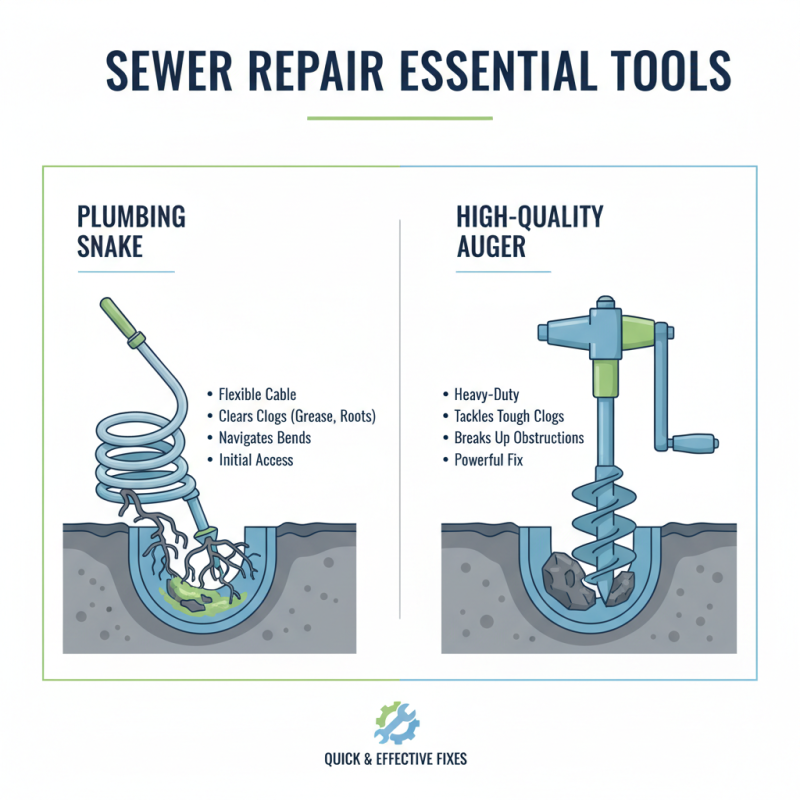
When tackling a sewer repair, having the right tools at your disposal can make all the difference in ensuring a quick and effective fix. Start with a plumbing snake, a vital tool for unclogging sewer lines and providing access to deeper blockages. It features a flexible metal cable that can navigate bends in pipes, allowing you to dislodge clogs caused by debris, grease, or tree roots. A high-quality auger can also be beneficial for tougher clogs, giving you the power needed to break up stubborn obstructions.
In addition to plumbing snakes and augers, having a reliable pipe camera is essential. This tool allows you to visually inspect the inside of your sewer lines, identifying the exact location and nature of any issues without invasive digging. Coupled with a set of drain cleaning chemicals, these tools empower you to tackle most sewer problems effectively. Don’t forget to include basic hand tools such as wrenches, pliers, and pipe cutters, which are crucial for making repairs and adjustments to your sewer system. Ensuring you have a comprehensive toolbox will streamline your repair efforts and help restore proper function to your sewer swiftly.
Step-by-Step Guide to Temporarily Fixing a Sewer Leak
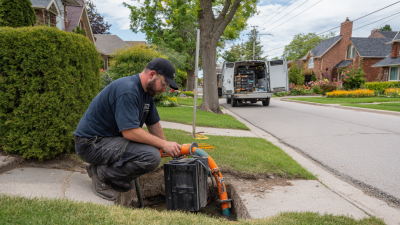
When faced with a sewer leak, quick action can prevent further damage and costly repairs. The first step in temporarily fixing a sewer leak is to identify the source of the problem. Look for wet spots in your yard, listen for unusual sounds, or check for sewage backups inside your home. Once you locate the leak, the next step is to prepare the area around it. Clear away any debris or excess soil to get a clear view of the damaged pipe.
To make a temporary repair, you can use materials such as a rubber patch or hose clamp. Wrap the rubber patch around the leak and secure it tightly to create a seal. In some cases, you can also use duct tape as a quick fix, but ensure it is tightly wound to minimize leakage. If the leak is severe, you may opt to divert the sewer flow by shutting off the main valve or creating a makeshift dam using sandbags or absorbent materials. Remember, these measures are only temporary; contacting a professional plumber for a permanent solution is crucial for long-term safety and functionality.
Water Leakage Repair Methods Effectiveness
Long-Term Solutions for Sewer Line Issues
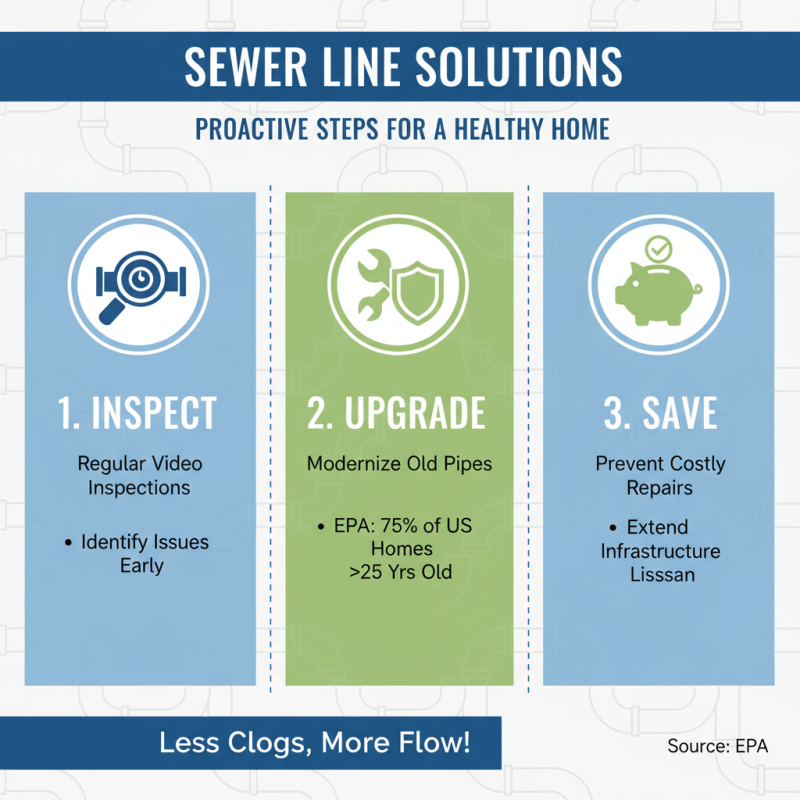
When facing sewer line issues, implementing long-term solutions is crucial to avoid recurring problems. According to the Environmental Protection Agency (EPA), nearly 75% of all American homes have sewer lines that are at least 25 years old, which significantly increases the risk of blockages and failures. Regular inspections utilizing advanced technology such as video cameras can help identify underlying issues before they escalate. This proactive approach not only saves homeowners from costly emergency repairs but also prolongs the lifespan of the sewer infrastructure.
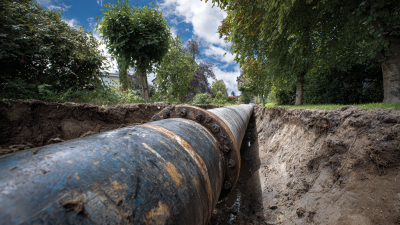
Moreover, investing in trenchless repair methods can be highly effective for long-term solutions. Reports from the National Association of Sewer Service Companies (NASSCO) indicate that trenchless technology reduces repair times by up to 50% and minimizes the disruption caused during repairs, compared to traditional methods. Additionally, these solutions offer durability, as new materials used in trenchless repairs, such as resin and epoxy, can resist various environmental factors, ensuring your sewer lines remain functional for decades. Taking advantage of these innovative techniques, along with regular maintenance, can lead to a reliable sewer system that stands the test of time.
When to Call a Professional Plumber for Sewer Repairs
When faced with sewer issues, homeowners often grapple with the decision of whether to tackle the problem themselves or enlist the help of a professional plumber. While minor clogs and slow drainage might seem manageable, there are specific signs indicating that it's time to call in an expert. Persistent foul odors, which might suggest a serious blockage or a broken sewer line, are one of the key indicators. If these unpleasant smells permeate your home, it's essential to seek professional assistance before the situation escalates into a more extensive and costly repair.
Another critical moment to call for help is when there's visible sewage backup in your home or yard. This situation not only poses health risks but can also lead to significant property damage if not addressed immediately. Additionally, if you've attempted DIY methods without success, such as using plungers or drain cleaners, it's wise to consult a plumber. Professionals have the specialized tools and experience to accurately assess and resolve complex sewer problems, ensuring the repair is both quick and effective. Recognizing the signs that necessitate a professional's intervention can ultimately save you time, money, and stress.
10 Essential Tips to Repair Your Sewer Quickly and Effectively - When to Call a Professional Plumber for Sewer Repairs
| Tip # |
Repair Tip |
When to Consider |
Professional Help Needed? |
| 1 |
Inspect for Blockages |
Frequent backups or slow drains |
Yes |
| 2 |
Use a Plumber's Snake |
Minor clogs |
No |
| 3 |
Check for Tree Root Intrusions |
Surface indicators like sinkholes |
Yes |
| 4 |
Conduct a Video Inspection |
Persistent issues |
Yes |
| 5 |
Flush with Hot Water |
Light grease buildup |
No |
| 6 |
Use Enzyme Cleaners |
Routine maintenance |
No |
| 7 |
Look for Leaks |
Unexpected water bills |
Yes |
| 8 |
Review Vent System |
Foul odors |
Yes |
| 9 |
Consider Pipe Relining |
Cracked or damaged pipes |
Yes |
| 10 |
Regular Maintenance |
Preventative measures |
No |