How to Choose the Right Steel Bar for Your Project?
When embarking on a construction project, the choice of Steel Bar can significantly influence the project's success. Steel Bars serve many purposes, from reinforcing concrete structures to providing structural support. Selecting the right type is essential for ensuring the safety and durability of your project.
Understanding the different grades and specifications of Steel Bars is crucial. Each grade has unique properties, affecting strength, flexibility, and resistance to corrosion. It can be overwhelming to make a choice, especially with the array of options available. Not every Steel Bar suits every need. Some may perform inadequately under specific conditions, leading to costly mistakes.
Consider factors like load-bearing requirements, environmental conditions, and the type of construction. Expertise and knowledge in these areas can help guide your decision. Engaging with suppliers and seeking advice from experienced professionals can also provide valuable insights. Reflect on past projects and learn from any missteps to improve your selection process. Ultimately, the right Steel Bar can be a game-changer for your project's success and longevity.
Understanding the Different Types of Steel Bars Available in the Market
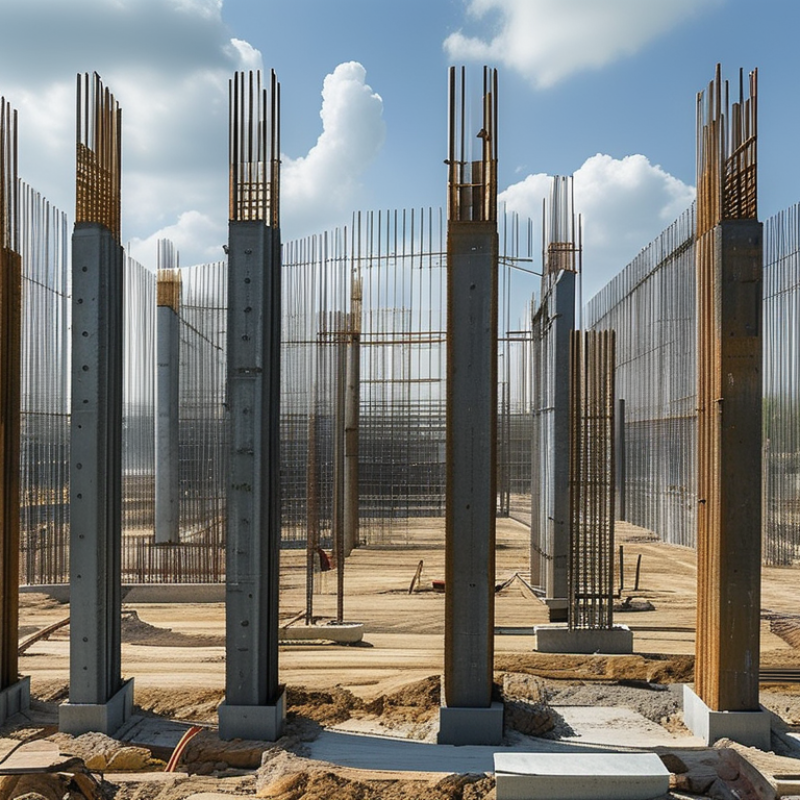
Choosing the right steel bar is crucial for your project. Understanding the different types can lead to better decisions. Steel bars come in various shapes and grades, each designed for specific applications. Common types include rebar, angle bars, and flat bars. Each type serves unique functions and has different mechanical properties.
Tips: Always consider the environment where the steel will be used. For outdoor projects, corrosion resistance is essential. Look for bars with protective coatings. For structural projects, ensure the steel meets the necessary load-bearing standards.
Different steel grades also make a difference. Standard grades like ASTM A615 and A992 are widely used in construction. Each grade has specific yield strengths and ductility. Knowing these properties helps in selecting the right bar for your needs. Don't skip this step; it could affect the safety and longevity of your project.
Tips: Check the certification of the steel bars. Reputable suppliers should provide documentation. This can save you from using subpar materials and ensures reliability. When in doubt, consult with a structural engineer to confirm your choices.
Different Types of Steel Bars Available in the Market
Key Factors to Consider When Selecting Steel Bars for Your Project
Choosing the right steel bar for your project is critical. Steel bars come in various grades and types. Each option has its own properties, suited for different applications. Consider the environment where the steel will be used. For instance, exposure to moisture or chemicals can influence your choice.
Another vital factor is the tensile strength needed for your project. Assess the load requirements carefully. High-strength bars could be necessary for heavy structures. Additionally, think about the size and diameter of the bars. This measurement impacts the overall stability and design.
Quality matters, too. Look for reputable suppliers who provide certified materials. Check if the steel bars meet industry standards. Quality assurance ensures that you are not compromising safety. Reflecting on these factors can help avoid costly mistakes in your project. It's crucial to weigh all considerations thoroughly for the best outcome.
How to Choose the Right Steel Bar for Your Project? - Key Factors to Consider When Selecting Steel Bars for Your Project
| Type of Steel Bar | Yield Strength (MPa) | Ultimate Strength (MPa) | Diameter (mm) | Application |
| Mild Steel Bar | 250 | 400 | 10 | General Construction |
| High Tensile Steel Bar | 500 | 700 | 16 | Prefabricated Structures |
| Reinforced Steel Bar | 400 | 600 | 12 | Concrete Reinforcement |
| Pre-Stressed Steel Bar | 700 | 900 | 20 | High Load Structures |
Assessing the Load-Bearing Capacity of Steel Bars
When selecting steel bars, assessing their load-bearing capacity is crucial. Load-bearing capacity refers to the maximum weight a steel bar can support without failure. Factors such as bar diameter, material grade, and design are vital in determining this. A report from the American Institute of Steel Construction (AISC) states that common carbon steel grades can support specific loads significantly. For example, grade 40 steel can handle approximately 40,000 psi.
When looking at specific applications, consider the structural requirements. Reinforced concrete designs rely heavily on reinforcing bars (rebar). These bars must meet defined yield strengths to ensure safety. According to the Concrete Reinforcing Steel Institute (CRSI), typical rebar grades vary from 40,000 to 80,000 psi. Evaluating these details can prevent future structural issues.
Not all projects require the highest-grade steel. In some cases, using an overly strong bar can lead to unnecessary costs and weight. Additionally, poor understanding of load calculations may lead to under-designing. It's essential to balance strength with practicality. Inspect and assess before finalizing your choice.
Evaluating Corrosion Resistance and Durability in Steel Bar Selection
Choosing the right steel bar involves understanding corrosion resistance and durability. Corrosion can reduce the lifespan of steel bars. It is vital to consider the environment where the steel will be used. For instance, coastal areas expose steel to saltwater, which accelerates rusting. Proper selection can help avoid costly repairs.
Durability is often linked to the material's strength and quality. High-strength bars tend to withstand harsh conditions better. However, not all high-strength materials are suitable for every project. Some may be too rigid, leading to potential failures under stress. Testing the material in conditions similar to the project site can provide valuable insights.
Experiencing unexpected corrosion or degradation is common in construction. Not all steel bars perform as expected. Mix-ups in selection can lead to future complications. Regular audits of materials can enhance durability and ensure longevity. Engaging with experts in metallurgy can help clarify some doubts. Their insights could prevent future mishaps.
Cost Analysis: Budgeting for Your Steel Bar Needs
When budgeting for steel bar needs, understanding pricing is crucial. The cost of steel can vary significantly based on market demand. Prices fluctuate due to global events, so staying informed is key. Consider contacting suppliers or checking online platforms for current rates. A rough estimate can be helpful, but be prepared for changes.
In addition to material costs, factor in transportation and labor. Delivery charges can add up quickly, especially for large orders. The distance and weight of your steel bars will dictate these costs. Labor also plays a role. Skilled labor may demand higher wages. This can affect your overall project budget.
Always have a contingency plan. Prices can exceed your estimates. Aim for a flexible budget that allows for unexpected expenses. It’s essential to reflect on your financial capacity. Costs can spiral if not carefully managed. Regular updates on material prices can help safeguard your project’s budget.