How to Choose the Right Abrasion Testing Machine for Your Needs?
Selecting the right Abrasion Testing Machine is crucial for performance and quality assurance in various industries. As manufacturers strive for durability, the need for reliable testing equipment increases. According to a recent industry report by Frost & Sullivan, the abrasion testing machine market is projected to grow by 5% annually over the next five years. This growth reflects the rising demand for materials that withstand wear and tear.
Dr. Emily Carter, a leading expert in material science, emphasizes the significance of proper selection: "An accurate abrasion test can reveal material weaknesses often overlooked in standard evaluations." Her insight highlights the importance of employing the right machine to avoid costly errors in production.
Despite the advancements, many companies still face challenges when choosing the appropriate equipment. With so many options and specifications, the decision can become overwhelming. It's essential to understand your specific testing needs and the features offered by different machines. Not every Abrasion Testing Machine suits every application. Recognizing this can prevent frustration and potential setbacks in testing processes.
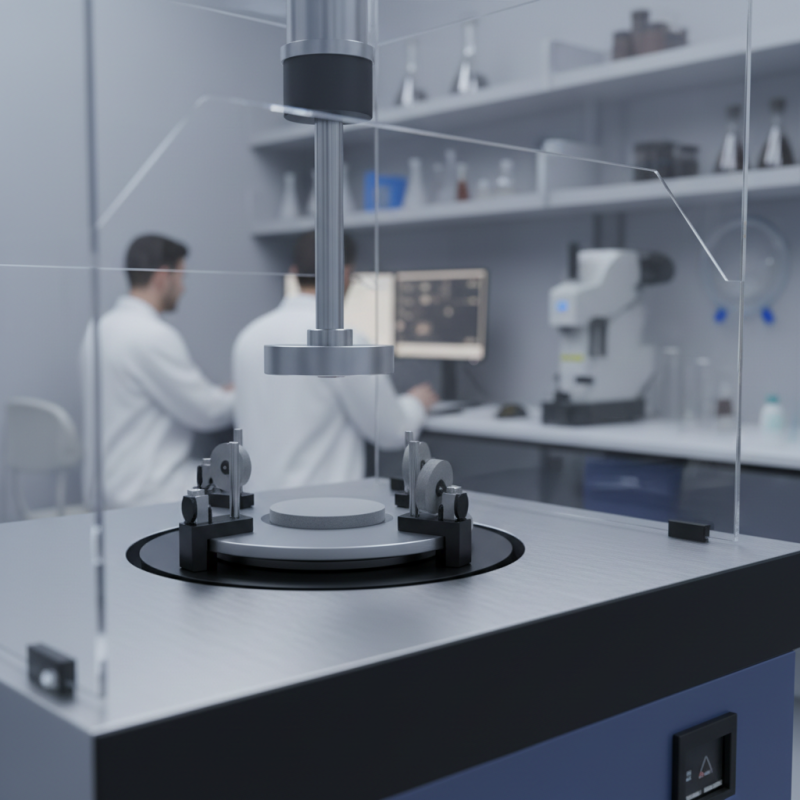
Understanding the Different Types of Abrasion Testing Machines
When selecting an abrasion testing machine, it’s essential to understand the various types available. Different tests measure different attributes like wear resistance and surface durability. According to a recent industry report, the global abrasion testing market is projected to reach $1.2 billion by 2025. This growth highlights the importance of choosing the right machine tailored to your specific needs.
There are three main types of abrasion testing machines: rotary, linear, and falling sand testers. Rotary testers simulate wear over time by rotating a sample against an abrasive surface. Linear testers help assess wear through a sliding action, often used for textiles. Falling sand testers measure resistance by dropping abrasive particles onto the specimen. Each method has unique applications and limitations.
Choose a machine based on your material’s characteristics and expected wear conditions. For instance, textiles may require a different approach than metals. Manufacturers sometimes struggle to provide clear metrics on durability. Choose machines with validated testing procedures to ensure reliable results. Getting this right can make a significant difference in product quality and longevity.
Key Factors to Consider When Choosing an Abrasion Testing Machine
Choosing the right abrasion testing machine is crucial. There are several key factors to consider. Begin with the test standards applicable to your industry. Different sectors may have unique testing criteria. Understanding these standards ensures compliance and reliability in results.
Next, assess the material types you'll be testing. Some machines perform better with specific materials. For example, textiles might require different settings than metals. Accurate testing depends on this compatibility.
You also need to examine the machine's operational capacity. The throughput can affect long-term efficiency. High-capacity machines might save time but could be overkill for smaller projects.
Another important aspect is the ease of use. A complicated interface can hinder effective testing. Look for machines that offer intuitive controls. Training staff can become a hassle if the machine is not user-friendly.
Additionally, consider the maintenance requirements of the machine. Regular upkeep is vital to ensure accuracy over time. Neglecting this can lead to compromised results and frustration.
Evaluating the Accuracy and Reliability of Testing Machines
When selecting an abrasion testing machine, accuracy and reliability are crucial. Accurate data helps in evaluating material performance. Reliable machines produce consistent results over time. This is essential for quality control in manufacturing processes.
Consider machine calibration as a significant factor. Regular calibration ensures that the machine provides precise results. Without it, tests can yield misleading data. Additionally, investigate the machine's construction and components. High-quality materials often lead to better performance. Sometimes, machines may not meet the required standards, leading to setbacks.
User feedback can provide insights into real-world performance. Look for reviews that discuss durability and maintenance. This information can reveal the machine's reliability in everyday use. Remember, even reputed machines may encounter issues. Continuous improvement is part of the testing process. Choose wisely, and always be willing to reflect on the results.
How to Choose the Right Abrasion Testing Machine for Your Needs?
| Machine Model | Test Type | Accuracy (% Margin) | Reliability (Cycles) | Price ($) |
| Model A | Taber Abrasion Test | ±1.5% | 100,000 | 5000 |
| Model B | Rotary Abrasion Test | ±2.0% | 150,000 | 7500 |
| Model C | Dry Abrasion Test | ±3.0% | 80,000 | 4200 |
| Model D | Wet Abrasion Test | ±1.8% | 120,000 | 6200 |
| Model E | Impact Abrasion Test | ±2.5% | 90,000 | 3800 |
Cost vs. Quality: Finding the Right Balance in Abrasion Testing
Choosing the right abrasion testing machine requires careful consideration of cost and quality. Research indicates that machines priced in the mid-range, typically between $10,000 and $30,000, often balance performance and durability. These machines frequently offer sufficient accuracy and reliability for most applications without overwhelming your budget.
Data from industry reports suggest that 70% of companies face challenges in selecting equipment that meets their specific testing requirements. Many often sacrifice quality for lower costs or opt for higher-end machines that exceed their actual needs. Finding a machine that aligns with your testing demands can prevent wasted resources.
Durability is crucial. Machines that utilize high-quality materials tend to perform better in rigorous testing environments. Furthermore, investing in precise calibration features is essential for obtaining repeatable results. Simply put, lower costs might lead to performance issues that compromise your testing quality. However, investing significantly more does not always guarantee better results. Balancing these factors thoughtfully can significantly impact your testing efficiency.
How to Choose the Right Abrasion Testing Machine for Your Needs?
This chart compares the quality ratings of abrasion testing machines across different price ranges: Low Cost, Medium Cost, and High Cost. As seen in the data, higher-priced machines tend to have better quality ratings, indicating the importance of balancing cost and quality when making a decision.
Maintenance and Support: Ensuring Longevity of Your Testing Equipment
Maintaining abrasion testing machines is crucial for their longevity. Regular maintenance can enhance performance and accuracy. A well-maintained machine operates within the set parameters, reducing errors in testing results. Research indicates that about 30% of testing equipment failures are due to inadequate upkeep.
Routine checks, including calibrations and cleaning, prove essential. These processes can prevent more significant issues and extend the machine's lifespan. Additionally, having a comprehensive support plan is valuable. Industry experts suggest that equipment with regular technical support has a 25% lower downtime rate.
Training operators on proper maintenance is key. Knowledgeable personnel save costs on repairs and ensure effective use. Written procedures for routine maintenance should be accessible. These elements foster reliability and trust in test results. Investing in maintenance and support is not merely an option but a necessity for accurate abrasion testing.