How to Choose the Best Stainless Tube Mills for Your Needs?
When selecting the best Stainless Tube Mills, various factors come into play. Understanding your specific needs is crucial. It’s not just about the machine's performance but also about the support and expertise the manufacturer offers. High-quality Stainless Tube Mills can significantly affect production efficiency and product quality.
Different models serve unique applications. Knowing the specific requirements of your industry helps narrow down options. It may seem overwhelming, but research and firsthand experiences can guide your choice. Consider factors such as size, production speed, and material compatibility. These details matter.
Reflecting on past decisions can illuminate what truly matters in a Stainless Tube Mill. Not every choice is perfect, and learning from experiences enhances future selections. It’s essential to seek manufacturers who provide reliable support and demonstrate industry knowledge. This journey can lead to a more informed and satisfactory decision.
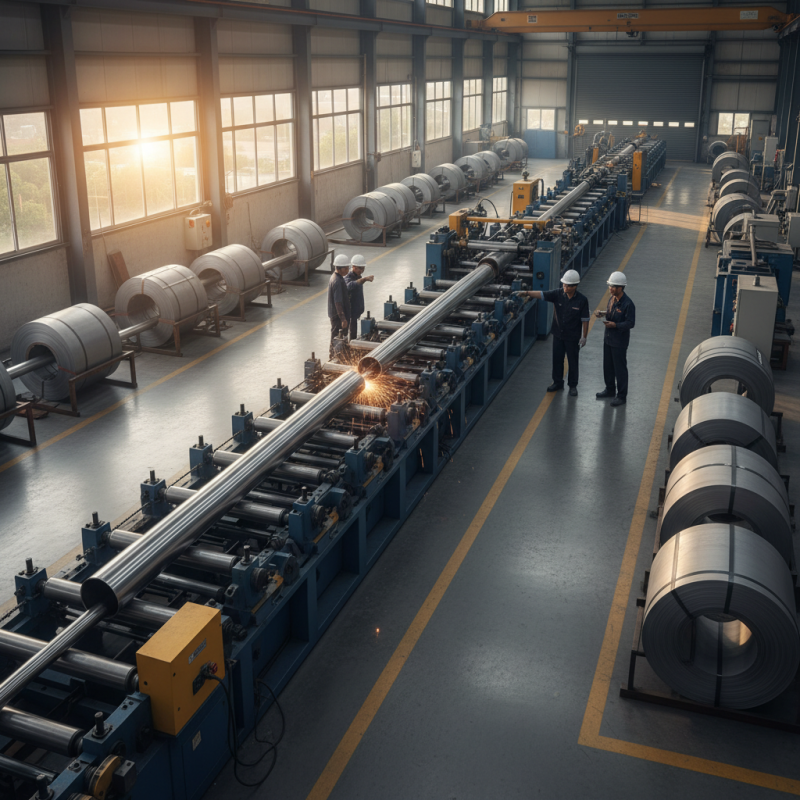
Understanding the Different Types of Stainless Tube Mills Available
When considering stainless tube mills, it's essential to understand the various types available. Different mills serve specific needs. Some are designed for high-volume production, while others focus on customization. Knowing the right type can greatly enhance your operations.
Welded tube mills are common in the industry. They excel in producing tubes efficiently. Their high-speed processing allows for the rapid output of uniform products. However, they may lack flexibility in terms of customization. On the other hand, seamless tube mills are ideal for specialized applications. They create tubes without seams, resulting in improved strength and durability.
Remember that each type has its pros and cons. Evaluating the specific application is crucial. Consider factors such as material thickness and diameter. Some mills might not perform well under certain conditions. Conducting thorough research before making a decision can lead to significant long-term benefits. Always reflect on what your business truly needs.
Key Factors to Consider When Selecting Stainless Tube Mills
When selecting stainless tube mills, understanding key factors is essential. Consider the mill’s production capacity. A higher capacity may suit larger operations, while a smaller capacity is better for niche products. Efficiency is also crucial. Look at energy consumption and waste generation. Efficient mills save costs in the long run.
Material quality plays a significant role too. Stainless steel grades vary, and your choice affects durability and corrosion resistance. Check the mill’s ability to handle different sizes and shapes of tubes. Versatility in production can be a major advantage.
Don’t overlook support services. Reliable manufacturers offer solid after-sales support. This includes maintenance, spare parts availability, and operator training. It’s vital to partner with a manufacturer who values long-term relationships. Reflect on the overall costs, including installation and training. Balancing price with quality and service is often more complex than it seems. Choosing the right stainless tube mill requires careful consideration of these factors.
Evaluating Performance and Efficiency of Tube Mills
Evaluating the performance and efficiency of stainless tube mills is crucial for optimal production. A well-designed tube mill should efficiently shape and weld tubes with precision. Factors such as materials used, design configurations, and operational speeds play significant roles in performance. Understanding how each of these elements interacts can help in making informed decisions.
Moreover, analyzing energy consumption is essential. A mill that consumes less energy while maintaining high output should be prioritized. Look for features that minimize downtime and enhance workflow. It's common for manufacturers to overlook routine maintenance, which can impact efficiency over time. Operators might ignore simple checks, leading to unexpected failures.
Performance also hinges on the operator’s skill. A knowledgeable team can maximize machine capabilities. However, training may not always be consistent, which can create gaps in expertise. Consider offering ongoing education to empower operators. This investment can yield greater returns in productivity and quality. Choosing wisely based on these evaluations can lead to more effective and reliable tube production.
Analyzing Cost vs. Quality in Stainless Tube Mills
When analyzing cost versus quality in stainless tube mills, one must consider several factors. Quality is paramount; it impacts the durability and performance of the finished product. A higher price often reflects better materials, advanced technology, and stringent quality controls. However, this does not guarantee that every high-cost option is the best fit for your needs.
Cost is a significant factor, yet it's crucial to balance it with quality. Cheaper options may save money upfront but can result in higher long-term expenses due to failures or rework. Sometimes, manufacturers cut corners on materials or processes to reduce costs. This can lead to issues like corrosion or structural weaknesses.
It’s important to assess specific requirements. Do you need high precision? Consider investing more in a mill that meets those standards. Conversely, if your needs are basic, a more affordable option might suffice. Evaluate the features you truly need and avoid getting caught up in marketing. Quality matters, but so does your budget. Reflect on past purchases to inform your current decision. Balancing these aspects is vital for a wise investment.
Cost vs. Quality Analysis of Stainless Tube Mills
This chart compares the cost and quality ratings of different stainless tube mills. The data showcases various mills with their respective costs and quality scores on a scale from 1 to 10.
Maintenance and Support Considerations for Tube Mills
When selecting stainless tube mills, maintenance and support are critical factors. A well-maintained tube mill will ensure efficient operation and consistent product quality. Regular inspections can help identify potential issues before they escalate. This proactive approach saves time and money in the long run.
Tips: Schedule routine maintenance checks. Keeping a detailed log of maintenance activities helps track the condition over time. Don't overlook the importance of skilled technicians. Their expertise is crucial for resolving complex issues efficiently.
Support is equally important. Ensure that you have a reliable service team available. Quick access to technical support can minimize downtime. Invest in training for your operators, as their understanding of the equipment can improve performance.
Moreover, consider the availability of replacement parts. A mill that is hard to maintain could lead to extended periods of inactivity. Reflection on your support strategy is essential. Evaluate whether your current resources align with your needs. Actively seeking feedback from operators can provide insights into necessary improvements.