How to Choose the Best Seal Ring Metal for Your Needs?
When selecting the right Seal Ring Metal, the choices can be overwhelming. Different materials offer unique advantages. Yet, making the right choice is crucial for performance and longevity. Seal ring metals vary in terms of strength, resistance to corrosion, and temperature stability. Each application's requirements must be carefully considered.
Consider the specific environment where the seal will be used. Materials like stainless steel provide strength and corrosion resistance. However, they might not be ideal for extreme temperatures. Conversely, certain polymers can handle temperature extremes but might lack the structural integrity required for heavy loads.
Choosing the best seal ring metal often involves trial and error. Manufacturers offer guidelines, but real-world use may differ. It’s essential to consult with experts and gather insights. Evaluating both the performance and durability of the chosen metal will lead to better outcomes in your projects. Make informed decisions to enhance efficiency and reliability.
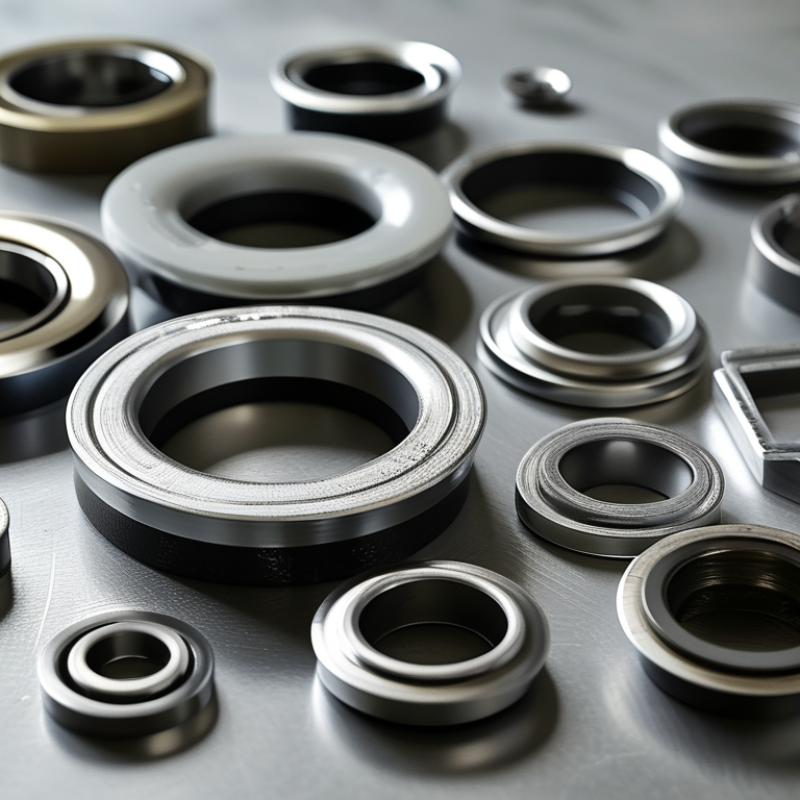
Understanding the Role of Seal Rings in Industrial Applications
Seal rings are vital in various industrial applications. They provide essential sealing solutions that prevent leaks of fluids and gases. Understanding the role of these components helps ensure optimal performance and safety in machinery. Different environments demand different materials. Factors like temperature, pressure, and the nature of the substance being sealed must influence your choice.
When selecting seal ring materials, consider the environment they will be used in. High temperatures may necessitate specialized materials. Corrosive substances might require robust alloys. Focus on the compatibility of the seal ring with operating conditions. Ensure that it can withstand the expected loads and movement without failure.
It is crucial to evaluate the quality of the seal rings you plan to use. Look for certifications that affirm their reliability. Regular maintenance checks can help identify wear and tear early. Consider if the seal ring may need replacing sooner than expected due to harsh conditions. Reflect on the long-term implications of your choices. Sometimes, the cheapest option may not be the best in the long run.
Factors to Consider When Selecting Seal Ring Metals
Choosing the right metal for seal rings is crucial. It is essential to consider various factors to meet your specific needs. The environment where the seal will be used plays a significant role. Some metals resist corrosion better than others, particularly in harsh conditions. Temperatures can also affect metal behavior. Ensure the metal can withstand both high and low temperatures typical of your application.
Another key aspect is the load it must bear. Metals like stainless steel may be suitable for high-pressure situations. In contrast, aluminum might suffice for lighter duties. Analyze the wear and tear the seal will experience over time. Durability is vital, so thinking long-term can save costs and enhance reliability.
Consider the compatibility of materials too. Different metals may react with the substances they seal. Not every combination will perform well together. Look into certifications or standards related to non-reactivity in your industry. A poorly chosen metal could lead to failures.
Think about the cost versus performance as well. Cheaper metals may initially seem appealing but can lead to higher maintenance over time. Balance your budget with the performance needs. Rethink your choices periodically based on application changes. Understanding these factors helps ensure a reliable seal.
Common Types of Metals Used for Seal Rings
Choosing the right metal for seal rings is crucial for performance and longevity. Common options include stainless steel, aluminum, and copper. Each metal has unique properties that affect durability and application. For instance, stainless steel is known for its corrosion resistance and strength. It performs well in harsh environments. Aluminum is lighter and has excellent thermal conductivity. This makes it suitable for automotive applications. Copper, while not as strong, offers great flexibility and sealing properties.
Selecting the best metal requires understanding your specific needs. Consider the operating environment. Will the seal ring face high temperatures or corrosive substances? Evaluate the mechanical load too. Sometimes, a combination of metals or coatings might be necessary for optimal performance. Understanding the physical and chemical properties of each metal can guide your choice effectively.
Pay attention to maintenance requirements. Some metals may require regular servicing to ensure longevity. It’s essential to balance the initial costs with long-term benefits. Remember, not every metal will suit every application perfectly. An ideal choice combines performance with practicality. Assess your specific conditions carefully. Make informed decisions based on reliable information and expert resources in the field.
Evaluating Corrosion Resistance and Temperature Tolerance
When choosing the right seal ring metal, focus on its corrosion resistance and temperature tolerance. Certain environments can accelerate metal degradation. Stainless steel, for instance, offers good resistance to rust but may falter in high-temperature situations. In contrast, titanium displays excellent strength, even under extreme heat. Understanding the conditions your seal will face is crucial.
Assess the environment where the seal will operate. Will there be exposure to chemicals? Evaluate the specific materials that may come into contact with the seal. For harsh chemicals, materials with higher corrosion resistance, like Hastelloy or Monel, might be preferable. A wrong choice could lead to premature failure and costly downtimes.
When considering temperature tolerance, identify the maximum and minimum temperatures your application will experience. Some metals become brittle at low temperatures, while others may lose strength at high temperatures. For example, aluminum under intense heat may not perform well.
Look into the specific properties of each metal. Consult technical data sheets for details. Understanding these nuances can prevent errors in selection. Documenting your process can help clarify your decisions. Reflect on past experiences with metal seals. Learning from failures is essential for future success.
How to Choose the Best Seal Ring Metal for Your Needs? - Evaluating Corrosion Resistance and Temperature Tolerance
| Metal Type | Corrosion Resistance | Temperature Tolerance (°C) | Common Applications |
| Stainless Steel | Excellent | -200 to 400 | Food processing, pharmaceuticals |
| Titanium | Outstanding | -250 to 600 | Aerospace, marine applications |
| Monel | Very Good | -100 to 300 | Chemical processing |
| Hastelloy | Exceptional | -50 to 1400 | Oil and gas, nuclear applications |
| Bronze | Good | -200 to 400 | Marine, bearings |
| Brass | Fair | -180 to 300 | Plumbing, electrical fittings |
Cost vs. Performance: Making the Right Choice for Seal Rings
When selecting the appropriate metal for seal rings, cost and performance often collide. Many industries depend on seal rings for reliability and efficiency. A recent industry report indicates that nearly 30% of failures in mechanical systems stem from inadequate sealing solutions. This highlights the significance of choosing the right material.
Stainless steel is a popular choice due to its corrosion resistance and strength. It offers a balance of performance and an average cost of $3 to $5 per pound. On the other hand, materials like elastomers can be more cost-effective, averaging about $1 to $2 per pound. However, they might not withstand extreme temperatures or harsh chemicals as well as metals. The trade-off between longevity and expense is evident.
It's also worth noting that while cheaper materials may save money upfront, they can lead to higher long-term costs through failure and replacements. Research shows that industries lose about 20% of their operational efficiency due to inadequate seals. Therefore, it's crucial to consider the specific application needs and the long-term performance of any selected material.