How to Choose the Best Bathroom Towel Rack?
Choosing the right Bathroom Towel Rack involves more than matching metal finishes with bathroom tiles. The rack must handle daily moisture, repeated use, and the weight of damp towels. A strong choice begins with the room’s size, wall structure, ventilation, and storage needs. Measure the available wall carefully before browsing styles. A narrow bathroom may need a compact wall-mounted rail, while a family bathroom may benefit from multiple bars or a freestanding tower. Think about reach, too. A towel placed behind a door may look tidy but prove frustrating every morning.
Materials deserve close attention. Stainless steel, brass, aluminum, and treated wood each perform differently in humid conditions. Stainless steel usually offers dependable corrosion resistance, but its quality can vary. Check the grade, finish, mounting hardware, and manufacturer’s care instructions. Do not judge durability by appearance alone. Installation also matters. A beautiful rack can loosen quickly when fixed only into weak drywall. Studs, anchors, and suitable screws create a safer, longer-lasting result. Follow tested installation guidance whenever possible.
Personal experience often exposes details product descriptions miss. Sharp edges, slippery bars, and difficult cleaning can become daily annoyances. I might prefer a polished finish initially, then reconsider after seeing fingerprints and water spots. That small regret matters. The best Bathroom Towel Rack balances capacity, accessibility, stability, maintenance, and visual appeal. Reliable reviews, clear warranty terms, and transparent specifications can support a confident decision. Still, no rack suits every bathroom. Evaluate your habits honestly, and allow practical evidence to challenge your first preference.
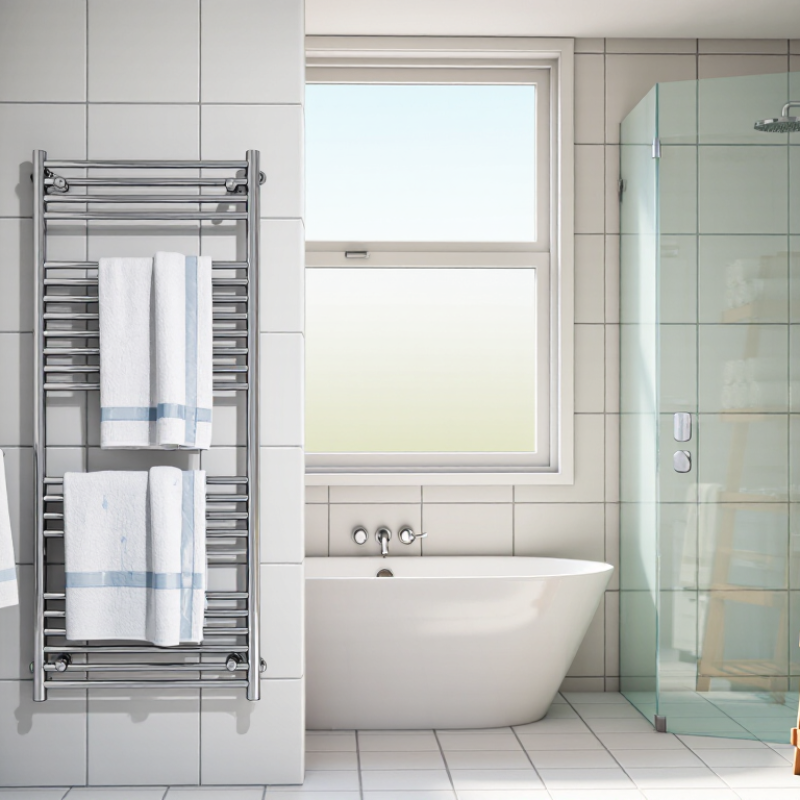
Define Your Bathroom Towel Rack Needs
Choosing the best bathroom towel rack starts with defining your actual needs, not copying a stylish display. Count the towels used daily and consider who will reach them. A family may need separate rails, while a guest bathroom may need only one compact bar. Measure the wall, door swing, vanity, and nearby fixtures. Measure twice. Wet towels need airflow, so avoid placing the rack behind a door or tightly against a wall. Leave enough space between towels to prevent slow drying and musty smells. If children or older adults use the bathroom, choose a reachable height and a stable design.
Your wall type also defines the right installation method. Tile, drywall, and masonry require different anchors, and a weak fixing can damage both the rack and the wall. Check the product’s stated load capacity, but remember that heavy, wet towels add stress. A corrosion-resistant finish suits steamy rooms, especially those with limited ventilation. Smooth surfaces are easier to wipe, while narrow rails may dry towels faster than thick decorative pieces. I once chose a rack by appearance alone; it looked elegant but held too little and collected dust around its joints. That mistake changed my checklist. Now I test reach, spacing, cleaning access, and daily capacity before judging style. Your needs may still change after installation, so leave a little flexibility where possible.
Compare Towel Rack Types and Mounting Options
Choosing the best bathroom towel rack starts with comparing its type, capacity, and daily use. A single wall-mounted bar suits one person and dries towels evenly. A double bar saves space but may slow drying between layers. Hooks are practical for hand towels, robes, and children’s towels. They also reduce visual clutter.
A freestanding rack needs no drilling and works well in rented homes. However, it can wobble on wet floors and occupy valuable space. Ladder racks offer several levels, yet the lower rails may sit too close to the toilet or bathtub. Measure the room carefully. Small mistakes matter.
Mounting options affect safety and durability. Screws fixed into studs or masonry provide the strongest support for heavy, damp towels. Wall anchors can work on drywall, but they require the correct weight rating. Adhesive mounts install quickly and protect tiles from drill marks. Still, steam, dust, and uneven grout can weaken the bond. Suction mounts are convenient for smooth glass or polished tile, but they may release without warning.
Place the rack near the shower, not directly inside the splash zone. Leave enough clearance for air circulation and easy hand movement.
I once chose appearance over reach and regretted it every morning.
A beautiful rack is not useful if wet hands cannot reach it comfortably. Check the mounting instructions, test the surface, and allow the adhesive to cure fully before adding towels.
Check Installation Requirements and Maintenance
Choosing a bathroom towel rack starts with the wall, not the finish. Before drilling, I check whether the surface is tile, drywall, concrete, or a stud. Each material needs different anchors and tools. A rack beside the shower should stay far enough from direct spray to reduce dampness. I also measure the towel’s drop, leaving space below for airflow. A crowded rail keeps fabric wet. That detail is easy to miss.
For tiled walls, I mark the holes with masking tape and use a tile-rated bit at low pressure. Drilling too quickly can crack a tile or loosen its backing. On drywall, a stud-mounted screw is strongest, but suitable hollow-wall anchors can support lighter loads. I level the rack before tightening every screw. The supplied hardware is not always right for an older wall. I once trusted a generic anchor and watched the rack tilt after several wet towels. It was a useful failure, not a clever shortcut.
Maintenance is simple when done regularly. I wipe the rack weekly with a soft cloth and diluted mild soap, then dry the joints. Water trapped around screws can leave stains or encourage corrosion. Avoid abrasive pads, strong solvents, and excessive force. Every few months, I test the fasteners by hand and inspect rust, movement, or cracked caulk. If the rack flexes, I remove the towels and repair the mounting point before using it again. A small inspection can prevent a larger wall repair.
How to Choose the Best Bathroom Towel Rack?
Check the installation requirements first: mounting height depends on the rack type and user reach. The chart shows typical residential height ranges, represented by their midpoint in inches. Always verify wall structure, hardware suitability, and local accessibility requirements before installation.
Maintenance: Wipe the rack regularly with a soft, damp cloth, dry it after cleaning, and avoid abrasive or chlorine-based products. Periodically tighten the mounting screws and check for rust, loose fittings, or moisture damage.
Evaluate Quality, Safety, and Overall Value
A good bathroom towel rack should balance quality, safety, and long-term value. Begin with the material and finish. Stainless steel, aluminum, or well-protected metal can resist bathroom humidity, but no coating stays perfect forever. Inspect welds, joints, and edges closely. They should feel smooth, without sharp corners or visible gaps. A rack that looks attractive under showroom lighting may reveal uneven finishing at home.
Safety depends heavily on installation. Check the stated weight capacity, then consider the weight of wet towels. A rack fixed into a wall stud usually feels more secure than one held by weak anchors. For tiled walls, use suitable hardware and avoid excessive pressure during drilling.
Leave enough space between the rack and the wall for airflow. Damp fabric pressed against a cold wall can develop an unpleasant smell. Rounded edges also matter, especially in a small bathroom where shoulders and elbows move quickly.
Overall value includes more than the purchase price. A cheaper rack may loosen, rust, or require replacement after one humid season. A costly model is not automatically better. Compare its construction, warranty terms, installation needs, and cleaning requirements.
Wipe the surface regularly with a soft cloth, rather than harsh cleaners that may damage the finish. I would also reassess the rack after several weeks of daily use. Does it stay level? Does it dry towels properly? Small weaknesses often appear later. No rack is flawless, and ignoring those details can make a reasonable purchase disappointing.