How to Choose the Right Internal Pipe Repair Sleeve for Your Needs?
Choosing the right internal pipe repair sleeve can be challenging. Many factors influence the decision. Understanding your specific needs is crucial.
These sleeves are designed to provide quick and reliable solutions. They offer a way to address leaks without extensive pipe replacements. However, not all sleeves are created equal. You must consider materials, sizes, and installation methods.
You may find yourself overwhelmed by options. Each choice has potential benefits and drawbacks. Taking the time to research is essential. Consulting with professionals can ensure the right fit for your situation. Your pipes are vital to your infrastructure. Investing in the right internal pipe repair sleeve can save time and money in the long run.
Understanding Internal Pipe Repair Sleeves: An Overview of Types
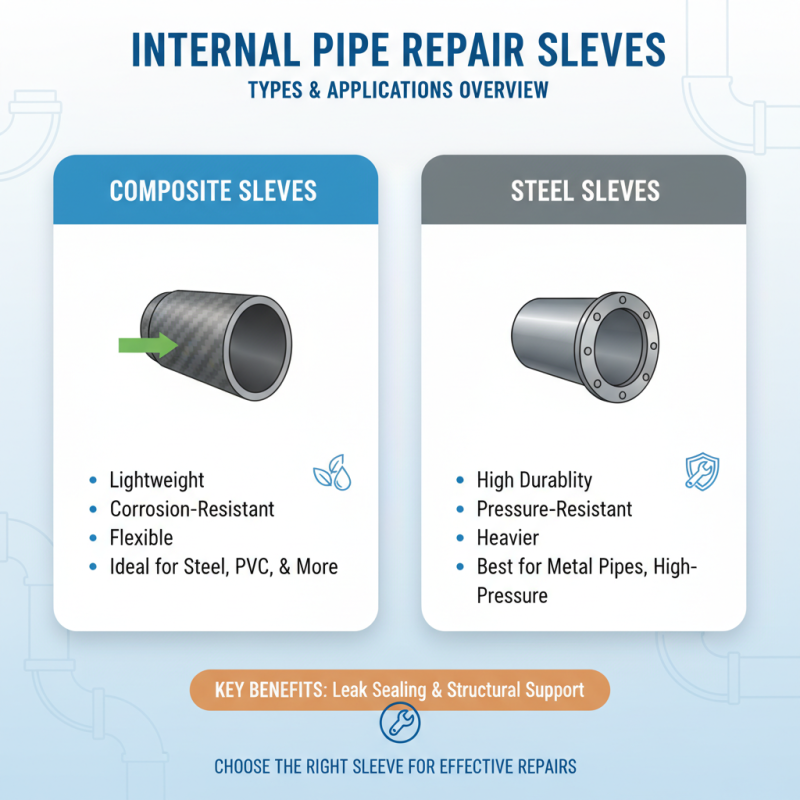
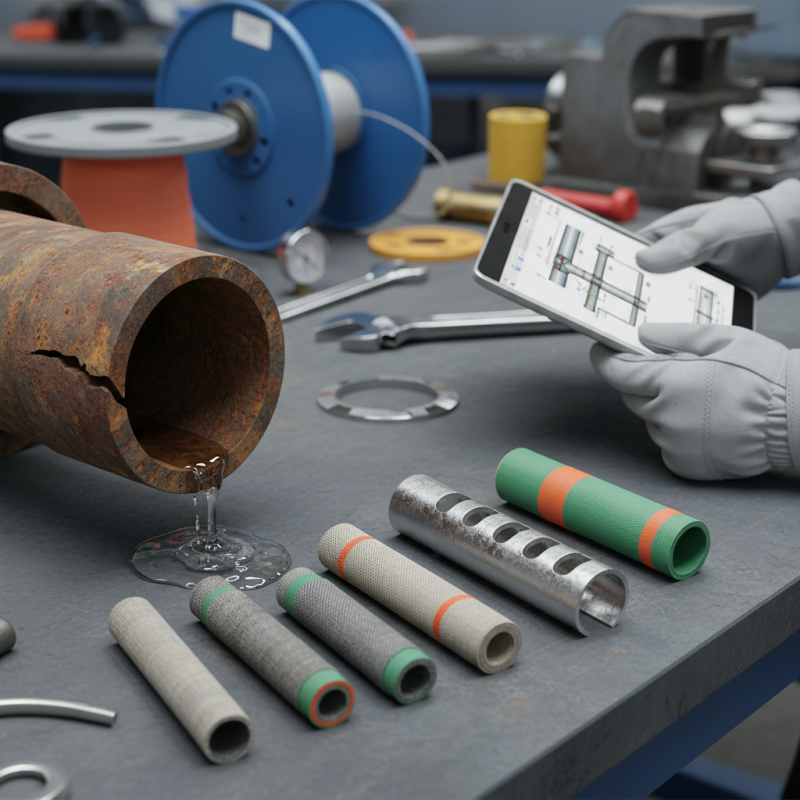
Internal pipe repair sleeves are essential tools for addressing leaks and structural issues. Understanding the types available is crucial for effective repairs. Common options include composite sleeves, which are lightweight and corrosion-resistant. They are ideal for various pipe materials, including steel and PVC. Steel sleeves offer durability but can be heavier. Each type has its applications and limitations.
When selecting a sleeve, consider the pipe's diameter and the nature of the damage. Some repairs may require specialized sleeves designed for high-pressure conditions. Ensure that any sleeve you choose meets industry standards for safety. Unexpected challenges can arise. For example, a sleeve may not fit perfectly, requiring additional adaptations.
Repair methods can vary based on the environment. Some sleeves are better suited for indoor settings, while others handle outdoor conditions well. Proper installation is key to longevity. It’s worth acknowledging that not every repair will be a perfect solution. Learning from each experience helps improve future repairs. A comprehensive understanding of available options can guide you in making informed choices.
Factors to Consider When Selecting Pipe Repair Sleeves for Specific Needs
When choosing internal pipe repair sleeves, it's crucial to consider specific factors that influence effectiveness. Assess the material type of the sleeve. Different materials offer varied benefits. For instance, some can withstand high pressures better than others. Knowing your pipe's existing conditions can guide this decision effectively.
Another factor to evaluate is the size and compatibility with your existing pipe. A sleeve that is too small won't seal effectively, leading to further leaks. Ensure you measure the diameter accurately. Checking for any irregularities in the pipe can also help. These minor details can greatly affect repair outcomes.
One mustn't overlook the installation process. Some sleeves are easier to install than others. Difficulty in application could lead to subpar repairs. It's worth considering the skill level of the installation team. Involving experts may yield the best results, yet that adds to the cost. Reflecting on these factors can make the selection process more precise.
Material Selection: Comparing Steel, Plastic, and Composite Sleeves
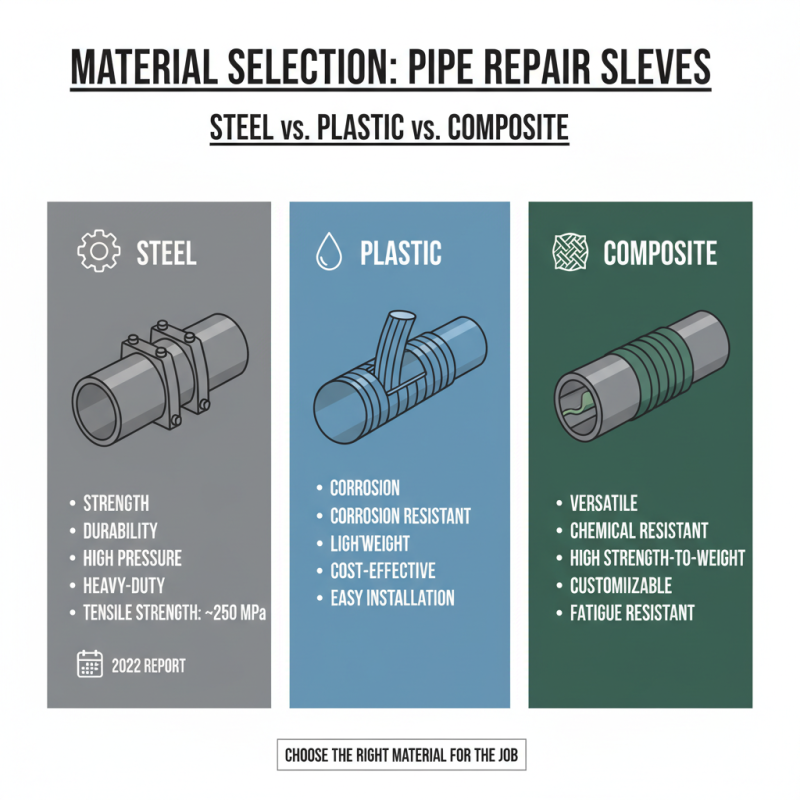
When it comes to selecting an internal pipe repair sleeve, the choice of material is crucial. Steel, plastic, and composite materials each offer unique benefits and drawbacks. Steel sleeves are known for their strength and durability. They can withstand high pressures and are ideal for heavy-duty applications. According to a 2022 industry report, steel sleeves have a tensile strength of around 250 MPa, making them a reliable choice for long-term repairs.
Plastic sleeves, on the other hand, offer corrosion resistance and are lightweight. They are often chosen for repair situations where the environment may cause rust and degradation. A recent study highlighted that plastic options can reduce installation time by up to 30%. However, they may not be suitable for extreme pressure conditions, which is a significant drawback to consider.
Composite sleeves provide a middle ground. They combine the best aspects of both steel and plastic. Composites can resist both pressure and corrosion effectively. However, there is still a lack of longitudinal data on their long-term performance. In some cases, the initial costs of composite materials may be higher, prompting users to rethink their budget constraints. Each material has its considerations, making the decision often more complex than it appears.
Evaluating Sleeve Thickness and Length for Optimal Performance
Choosing the right internal pipe repair sleeve can significantly affect your repair outcome. Sleeve thickness and length are crucial for performance. A thicker sleeve often provides better support and durability, especially in high-pressure situations. However, it can be more challenging to install. Consider the specific needs of your pipes and the environment they are in. Is there high pressure or temperature? Thicker sleeves might be ideal, but they require careful handling.
Length is equally important. A sleeve too short may not cover the damaged area adequately. Conversely, a long sleeve might create unnecessary stiffness in the pipe. Measuring the affected area precisely can help in selecting the right length. Think about how the sleeve will interact with the pipe. An ideal fit can prevent leaks and ensure a longer lifespan.
Installation can present challenges as well. Even the best sleeve might fail if not installed correctly. It's imperative to follow manufacturer guidelines and best practices for your specific situation. Each repair is unique. What worked last time may not work again. Always remain open to assessing different options and making adjustments based on your findings. This reflection can lead to better repair decisions in the future.
How to Choose the Right Internal Pipe Repair Sleeve for Your Needs? - Evaluating Sleeve Thickness and Length for Optimal Performance
| Material | Thickness (mm) | Length (m) | Max Pressure Rating (psi) | Temperature Range (°C) |
|---|---|---|---|---|
| Steel | 5 | 2 | 150 | -20 to 100 |
| Aluminum | 4 | 3 | 120 | -30 to 80 |
| Carbon Fiber | 3 | 1.5 | 250 | -40 to 120 |
| PVC | 6 | 2.5 | 75 | 0 to 60 |
| Fiberglass | 7 | 2 | 90 | -20 to 80 |
Real-World Case Studies: Successful Applications of Pipe Repair Sleeves
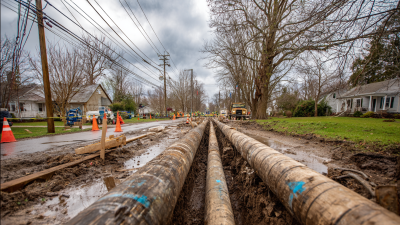
In the realm of plumbing and infrastructure, real-world applications of internal pipe repair sleeves reveal their effectiveness. For instance, a local water utility faced frequent leaks in aging pipes. They opted for repair sleeves to address the issue promptly. The installation was quick, and water flow resumed within hours. This case highlighted the efficiency of repair sleeves in minimizing disruption to service.
Another example involves a manufacturing plant experiencing recurring downtime due to pipe corrosion. Engineers implemented repair sleeves, enhancing the durability of the existing pipes. They noted significant improvements in operational efficiency. The initial investment paid off as the plant avoided costly repairs and losses due to production halts. However, the team acknowledged the need for routine monitoring to ensure long-term performance.
These instances illustrate the value of internal pipe repair sleeves across industries. While they offer a swift solution to immediate problems, ongoing maintenance and assessment remain crucial. Challenges can arise if the underlying issues are not addressed, raising questions about the long-term reliability of quick fixes. Hence, a thoughtful approach is essential for lasting results.
Related Posts
-
Transforming Infrastructure: The Ultimate Guide to CIPP Pipe Repair Solutions
-
2026 Top Digless Pipe Repair Techniques for Efficient Plumbing Solutions
-
How to Effectively Repair Sleeve Pipes: A Step-by-Step Guide
-
7 Essential Tips for Effective Sewer Pipe Sleeve Repair Techniques
-
Creative Applications of Sewer Pipe Sleeve Repair Techniques
-

How to Effectively Resurface Pipes for Long Lasting Durability and Performance