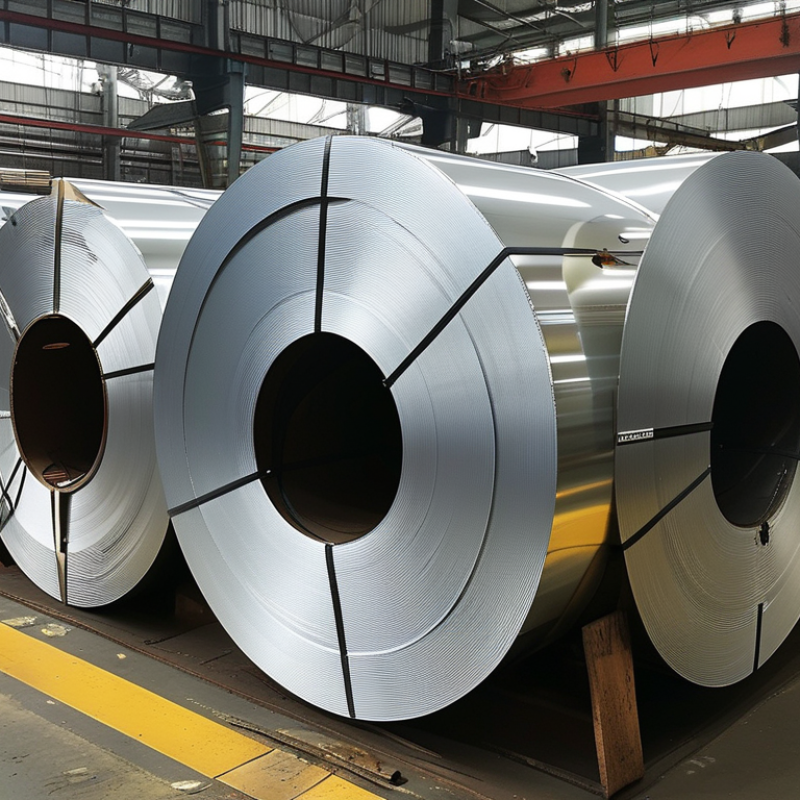
How to Choose the Right Aluminium Coil Sheet for Your Needs?
Choosing the right Aluminium Coil Sheet is crucial for various applications. It can affect not only the aesthetics but also the durability and performance of your projects. With numerous options available, understanding your specific needs is essential.
When selecting an Aluminium Coil Sheet, consider the thickness, alloy type, and finishing. These factors influence its strength and appearance. For instance, a thicker sheet may provide more durability but could be heavier and more challenging to work with.
Moreover, the alloy grade directly impacts corrosion resistance and malleability. A mismatch can lead to unforeseen issues, like failures in structural integrity. Always reflect on these factors carefully, as the wrong choice could cost both time and resources in the long run. Understanding your requirements will lead to more effective and reliable results in your projects.
Understanding the Types of Aluminium Coil Sheets Available
When selecting an aluminium coil sheet, understanding the various types is crucial. Aluminium coils are primarily categorized by their grades and tempers. Common types include 1000 series, known for excellent corrosion resistance, and 5000 series, which offers enhanced strength. Each type serves different applications, such as automotive parts or architectural designs.
For instance, the 3000 series is popular in the food and beverage industry due to its good workability and formability. This versatility allows for various products, from cans to insulation. However, one must consider the specific requirements of their project. Choosing a coil with improper specifications can lead to weaknesses or failures. It's essential to balance durability with the intended use.
The weight and thickness of the coil also matter. A thicker coil may provide better protection but can be cumbersome to work with. Evaluating the trade-offs is vital. Looking at the environmental conditions the coil will face is often overlooked. A coil might perform well in a lab but fail outdoors. Testing in real-world conditions can help guide your decision.
Assessing the Properties of Aluminium for Your Specific Application
When choosing the right aluminium coil sheet, understanding its properties is crucial. Aluminium is light yet strong, making it suitable for various applications. Its corrosion resistance improves longevity. Additionally, aluminium is highly malleable. This quality allows it to be shaped into different forms without breaking.
Consider your specific application. If you need a coil sheet for roofing, look for thickness and durability. For automotive parts, weight and resistance to moisture are vital. Assessing these factors ensures you select the appropriate sheet for your project. Sometimes, users overlook these details, resulting in unsatisfactory results.
Tips: Focus on the alloy type you need. Different alloys offer distinct properties. Think about the environment. Will it face extreme weather? Understanding these aspects will guide your selection. Always keep the project’s requirements in mind. If you measure improperly, it can lead to wastage. Adjust your criteria based on feedback from previous projects for better outcomes.
Evaluating Thickness and Width Options for Aluminium Coil Sheets
When selecting aluminium coil sheets, thickness and width are crucial factors. Thickness usually ranges from 0.2mm to 6mm. A thicker sheet offers more strength but may be heavier. For lightweight applications, a thinner option is preferable. Consider the demands of your project carefully. Sometimes, it’s tough to strike the right balance between durability and weight.
Width is another important consideration. Typical widths vary from 1000mm to 1500mm. A wider coil reduces the need for additional seams in your projects. However, wider sheets might increase material waste if not utilized fully. Think about your design requirements and material efficiency.
Every project is unique, so personal assessment is key. Experimenting with different thicknesses and widths can yield unexpected results. Document your findings for future reference. Ensure you evaluate the functionality and aesthetics of the aluminium coil sheets before making a decision.
How to Choose the Right Aluminium Coil Sheet for Your Needs?
| Thickness (mm) | Width (mm) | Application | Weight (kg/m²) | Price (USD/m²) |
| 0.5 | 1000 | Architectural Panels | 4.5 | 3.00 |
| 1.0 | 1200 | Roofing Materials | 9.0 | 4.50 |
| 1.5 | 1500 | Consumer Electronics | 13.5 | 5.80 |
| 2.0 | 2000 | Road Signage | 18.0 | 6.50 |
| 3.0 | 2500 | Industrial Applications | 27.0 | 8.50 |
Identifying Key Industry Standards and Certifications
When selecting the right aluminium coil sheet, understanding industry standards and certifications is crucial. The Aluminium Association outlines key standards such as ASTM B209 and EN 573. These standards ensure quality and performance in manufacturing processes. Certifications like ISO 9001 reflect a manufacturer's commitment to quality management. Selecting materials that adhere to these benchmarks can significantly impact product durability and safety.
Tips: Always verify the certification status of your aluminium supplier. Demand transparency in production practices. It’s important to remember that not all suppliers maintain the same quality standards. Many fail to meet even basic guidelines, causing product inconsistencies. A certified product often indicates a reliable source.
In addition, consider the thickness and temper of the coil sheet. The right specifications affect its suitability for your project. For instance, a thicker gauge offers more strength but may be heavier, impacting handling. Many buyers overlook these details, assuming all aluminium is equal. This can lead to unexpected issues during production. Ultimately, thorough research and quality checks are essential in choosing the right aluminium coil sheet.
Factors to Consider: Cost, Supplier Reputation, and Delivery Time
When selecting the right aluminium coil sheet, several critical factors come into play. Cost stands as a primary consideration. It's essential to balance quality and budget. Buying too cheaply can lead to poor performance and durability. Quality aluminium has a higher initial cost but might save money in the long run through its longevity.
Supplier reputation also plays a significant role. A reliable supplier should have a proven track record in the industry. Look for reviews and testimonials that reflect their consistency in quality. A known supplier often has better processes in place. This can mean fewer defects and better customer service.
Delivery time is another factor that should not be neglected. Delays can lead to project slowdowns. Ensure the supplier can meet your timeline needs. A good practice is to ask for specific lead times before making a commitment. This inquiry can help identify potential issues early on. Balancing these factors can lead to a successful purchase. It's crucial to reflect on what trade-offs are acceptable for your project.