Submit Inquiry
27 West Beaver Creek Road Unit #2
Richmond Hill, ON, CANADA L4B 1M8

International:

1-905-886-0335

US & Canada:

1-800-265-5696

China Top 10 Digless Pipe Repair Companies to Trust

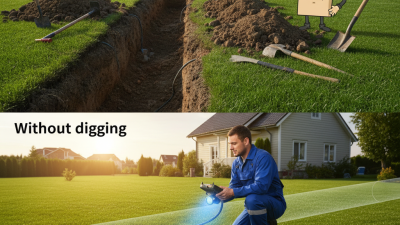
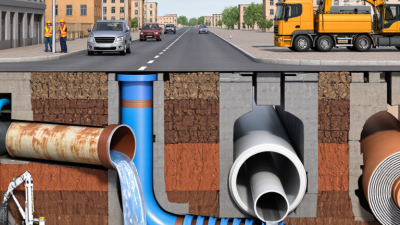
China’s urban pipelines are carrying more than water. They support factories, apartment blocks, hospitals, and dense transport networks. When a sewer collapses beneath a busy road, excavation can create traffic, noise, dust, and business disruption. This is where digless pipe repair becomes a practical engineering option.

Industry data shows why this field deserves closer attention. MarketsandMarkets’ Trenchless Technology Market report projects strong global growth, driven by aging infrastructure, urban expansion, and the need to reduce surface disturbance. Grand View Research also identifies rehabilitation as a major trenchless application, especially for municipal wastewater systems. These findings support a clear trend: utilities increasingly value methods that restore pipe performance without opening long sections of pavement.

The companies in this China-focused guide are considered through more than marketing claims. Their capabilities may include CCTV inspection, robotic cutting, cured-in-place pipe lining, pipe bursting, sectional repair, grouting, and non-excavation replacement. Project records, technical certifications, equipment depth, material traceability, safety controls, and after-sales support all matter. So does local experience with clay soil, groundwater, dense streets, and irregular pipe networks.

Details reveal competence.

A reliable contractor should explain resin curing, liner thickness, flow bypass, pressure testing, and expected service life in plain language. It should also provide inspection records before and after repair. However, no ranking is perfect. Public information differs between companies, and project quality can vary by site team. This list therefore serves as a practical starting point, not a substitute for technical due diligence. Before selecting a partner, asset owners should verify references, permits, warranties, and independent test results for the specific repair conditions.
China Top 10 Digless Pipe Repair Companies to Trust

What Are Digless Pipe Repair Methods and Why Do They Matter?

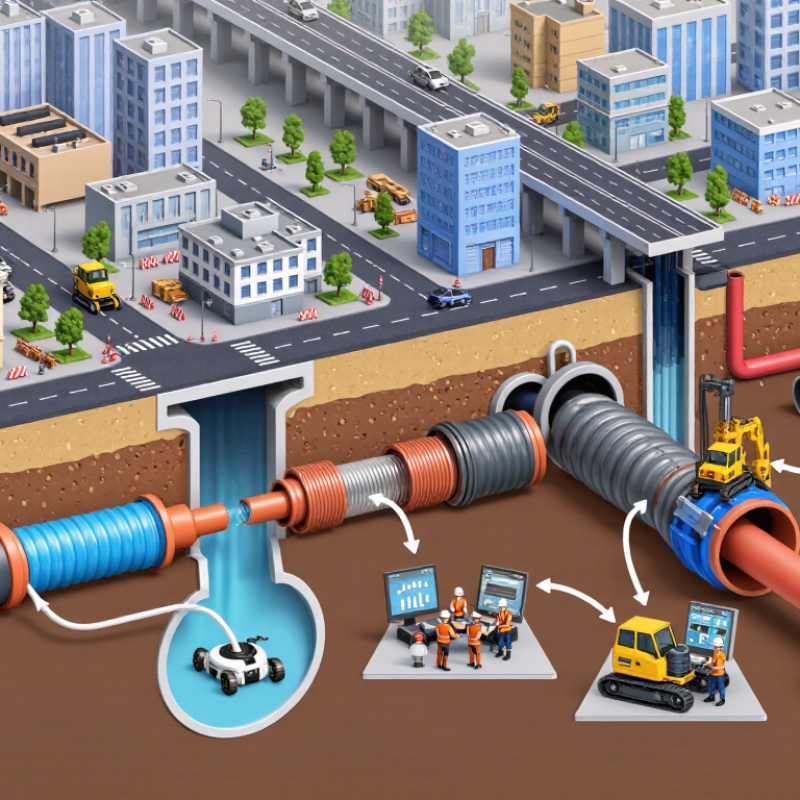
Digless pipe repair uses underground methods that reduce excavation, surface damage, and service disruption. Common options include cured-in-place pipe lining, slip lining, pipe bursting, spray-applied coatings, and robotic spot repairs. Each method suits different pipe materials, diameters, access points, and damage levels.

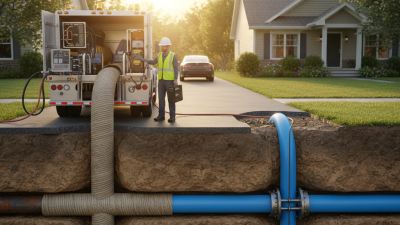
Cured-in-place lining inserts a resin-coated tube into the existing pipe. Heat or water cures it, creating a new pipe inside the old one. Slip lining places a smaller pipe inside the damaged line, while pipe bursting breaks the old pipe and pulls a replacement through the same route. Robotic tools can seal joints, remove roots, or repair isolated cracks. No method is perfect.

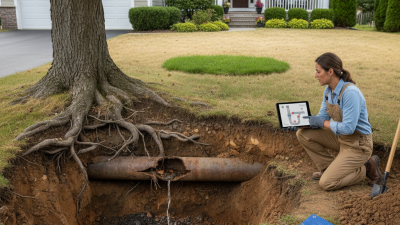
Reliable work begins with inspection. Technicians should use CCTV cameras, flow tests, and location surveys before recommending a repair. They must check corrosion, deformation, groundwater, connection points, and remaining pipe strength. A quick patch may appear cheaper, but hidden defects can return within months. That matters.

In practice, access shafts still need careful placement, even when open excavation is avoided. Poor cleaning can weaken liner adhesion. Misjudged pipe depth can also complicate bursting work. Experienced contractors document measurements, resin curing conditions, pressure tests, and post-repair camera footage. These records support quality control and help property owners understand what happened below the surface. Even good planning needs review.

How to Evaluate China’s Top Digless Pipe Repair Companies

Choosing among China’s leading digless pipe repair companies requires more than a polished website. Look for proven field experience with municipal, industrial, and residential networks. Ask how many similar projects they completed in the past three years. Request dated case records, repair depths, pipe materials, and final inspection results. Real evidence matters.

A reliable team should explain its method clearly. It may use robotic cutting, internal lining, localized sealing, or other suitable techniques. Technicians should inspect the line with CCTV before and after work. Check equipment maintenance logs, operator training, safety procedures, and quality-control documents. Certifications and compliance with recognized industry standards also support professional credibility. Ask for pressure-test data and a written warranty. Vague answers deserve caution.

Evaluate the quotation line by line. It should separate inspection, traffic control, cleaning, repair, testing, and reinstatement costs. Confirm response times, project supervision, and handling of unexpected ground conditions. Independent references can reveal delays that brochures hide. No contractor performs perfectly. That is normal. What matters is honest reporting, corrective action, and traceable records. I would compare technical judgment, not only price, because the cheapest repair may fail under seasonal flow changes.

How to Evaluate China’s Top Digless Pipe Repair Companies

This evaluation framework uses practical procurement criteria rather than company-specific results. The suggested weighting gives the greatest importance to regulatory compliance, repair technology, and verified project experience, while also considering warranty coverage, service responsiveness, and quotation transparency.

Key Technologies Used in Trenchless Pipe Rehabilitation

Trenchless pipe rehabilitation has become a practical choice for many urban repair projects. It reduces excavation, traffic disruption, and surface damage. However, the right technology depends on pipe condition, material, depth, and access points.

CCTV inspection usually guides the first decision. High-resolution cameras reveal cracks, root intrusion, joint gaps, and standing water. Cleaning tools then remove scale and debris before rehabilitation begins. Cured-in-place pipe lining uses a resin-coated liner, which forms a new pipe inside the damaged one. It works well for many non-collapsed pipelines. Pipe bursting replaces severely damaged sections by pulling a new pipe through the existing route. Robotic cutters can reopen lateral connections and trim hardened materials with precision. These methods require trained crews, accurate measurements, and controlled curing conditions. No method is perfect. Early surveys can still miss hidden voids or unusual flow problems.

Tips: Check flow rates before selecting a lining system. Record pipe diameter, length, and defect locations. Ask contractors for inspection footage and curing records. A small test section may expose practical problems before full installation. Experienced teams also monitor resin temperature, pressure, and curing time. That evidence supports dependable quality control. Some projects need a second inspection after completion. It may reveal wrinkles, incomplete openings, or unexpected leakage. Careful review remains valuable, even when the surface looks untouched.

China’s Top 10 Digless Pipe Repair Companies Compared

China’s top 10 digless pipe repair companies differ more in execution than in marketing. This comparison weighs field experience, engineering depth, equipment range, safety records, and after-service support. Public project evidence is uneven, so the ranking should not be treated as permanent.

The strongest contractors usually combine CCTV inspection, robotic milling, cured-in-place lining, and localized pipe bursting. Four providers appear especially capable on urban drainage projects, where narrow roads and constant traffic create pressure. Three others show better value for industrial lines and longer pipe sections. Their teams often provide resin data, pressure-test results, and inspection footage before handover. That documentation matters. It reduces disputes after the road surface is restored.

The remaining companies can be practical choices for smaller municipal repairs. Their pricing is often flexible, but equipment depth may be limited. Some depend heavily on subcontracted crews, which can affect scheduling and quality control. Ask who will operate the lining system on site. Ask how failed curing is handled. Small details reveal experience.

A reliable contractor should inspect pipe material, diameter, groundwater, access points, and flow conditions before quoting. A low price can hide extra traffic control, bypass pumping, or repeat cleaning. Site experience also exposes an uncomfortable truth: trenchless repair is not suitable for every damaged pipe. Severe collapse, unstable soil, or missing access may require open excavation. The comparison is useful, but independent inspection remains essential.

Selecting the Right Company for Your Pipe Repair Project

China Top 10 Digless Pipe Repair Companies to Trust

Selecting the right company requires more than comparing prices. China’s municipal networks often contain aging concrete, clay, and ductile iron pipes. Each material needs a different repair approach. The U.S. EPA’s 2022 Clean Watersheds Needs Survey estimated 630.1 billion dollars in wastewater infrastructure needs over 20 years. That figure shows why small repair decisions deserve serious technical review.

Ask each shortlisted contractor for a recent CCTV inspection, defect map, and method statement. A reliable team should explain when to use cured-in-place lining, pipe bursting, sliplining, or robotic repair. Request evidence of trained crews, calibrated equipment, project insurance, and local reinstatement experience. Check how the company controls resin curing, bypass pumping, traffic access, and final inspection. These details matter underground.

Do not choose from brochures alone. Contact project owners who faced similar soil, diameter, and groundwater conditions. Compare the proposed service life, downtime, warranty terms, and emergency response plan. The International Water Association reports that non-revenue water remains a major global utility challenge, making leak prevention and accurate testing important selection criteria. A cheap quotation may hide poor cleaning or limited post-repair testing. I have seen schedules look convincing, yet site access changed everything. That is why a site survey should happen before contract signing. No checklist is flawless. Leave room for questions.

China Top 10 Digless Pipe Repair Companies to Trust - Selecting the Right Company for Your Pipe Repair Project
No. Selection Dimension Relevant Technical Benchmark Best-Fit Project Situation How to Evaluate a Service Provider
1 Cured-in-Place Pipe Capability CIPP is a trenchless rehabilitation method that installs a resin-saturated liner inside an existing pipe and cures it in place. Method statement, liner design calculation, resin technical data sheet, curing records, and post-installation inspection report. Gravity sewer, stormwater, industrial drainage, and selected pressure-pipe rehabilitation projects. Confirm compliance with applicable project specifications and recognized standards such as ASTM F1216 or ASTM F1743 where relevant.
2 Pipe Bursting Experience Pipe bursting replaces or upsizes an existing pipe through a launch and reception pit, generally avoiding a continuous open trench. Ground investigation, bursting calculations, equipment capacity, pit design, and records from comparable diameter and soil conditions. Replacement of structurally failed or undersized pipelines where the existing alignment can be reused. Check experience with utility crossings, nearby foundations, gas and water services, and controlled upsizing requirements.
3 Sliplining and Close-Fit Lining Sliplining inserts a smaller carrier pipe into the host pipe; close-fit systems reduce the annular gap between the liner and host pipe. Product dimensions, flow-capacity calculation, annular-space grouting plan, jointing procedure, and pull-in or insertion plan. Long, relatively straight pipe sections where a modest reduction in internal diameter is acceptable. Review hydraulic calculations, liner material certification, joint test results, and the proposed method for filling the annular space.
4 Internal Robotic Repair Robotic systems can remove deposits, seal joints, repair localized defects, and reinstate service connections from inside the pipe. CCTV inspection before and after repair, robotic equipment specifications, material data, and defect-location records. Localized cracks, leaking joints, intruding connections, minor corrosion, and defects that do not require full-length lining. Confirm the equipment can operate at the required diameter, bend radius, flow condition, and access distance.
5 Pipe Diameter and Length Range Suitable diameter and reach depend on the selected method, access points, host-pipe geometry, liner design, and installation equipment. Published operating range, project references by diameter and length, access requirements, and equipment inventory. Projects with restricted access, long reaches, non-circular sections, or multiple changes in pipe geometry. Compare the proposed system with actual site measurements rather than relying only on a general product range.
6 Structural Design and Load Assessment A liner or replacement pipe must be designed for groundwater, soil, traffic, internal pressure, ovality, buckling, and installation loads as applicable. Signed design calculations, host-pipe condition assessment, groundwater assumptions, safety factors, and engineer review documents. Deteriorated pipes, deep installations, roads with heavy traffic, high groundwater, and pressure applications. Require project-specific calculations and confirm that assumptions match measured site conditions and the intended service life.
7 Traffic and Environmental Management Trenchless work can reduce excavation, but still requires safe work zones, access pits, bypass pumping, ventilation, waste control, and emergency procedures. Traffic-management plan, confined-space procedure, bypass plan, waste-disposal documentation, and environmental risk assessment. Urban roads, high-traffic corridors, environmentally sensitive areas, and sites with limited working space. Assess the provider's plan for maintaining service, protecting workers, controlling odors, and restoring access areas.
8 Quality Control and Testing Typical controls include cleaning records, CCTV inspection, material verification, thickness or sample testing, pressure testing, and leak checks as specified. Inspection and test plan, calibration certificates, test results, curing logs, sample records, and nonconformance procedures. Municipal, industrial, and regulated projects requiring documented acceptance before return to service. Make acceptance criteria part of the contract and require independent or witnessed testing where project risk is high.
9 Installation Schedule and Service Continuity Digless methods can shorten surface disruption, but duration depends on cleaning, bypass pumping, access preparation, installation, curing, testing, and reinstatement. Detailed work schedule, crew plan, equipment list, curing or cooling time, contingency plan, and service-restoration procedure. Hospitals, commercial districts, industrial plants, and locations where prolonged shutdowns are unacceptable. Evaluate the full outage window, not only the advertised installation time, and confirm backup equipment and response arrangements.
10 Warranty, Documentation, and Lifecycle Support A complete handover should identify the installed system, materials, inspections, test results, maintenance requirements, and warranty conditions. Warranty certificate, as-built drawings, CCTV files, material traceability, maintenance instructions, and completed project dossier. Asset owners seeking predictable maintenance, auditability, and long-term rehabilitation performance. Compare warranty exclusions, response times, repair obligations, documented service life, and availability of technical support.

Note: Technical suitability depends on the host-pipe condition, diameter, alignment, groundwater, soil, access, flow requirements, and applicable local specifications. Final method selection should be confirmed through a site survey and project-specific engineering assessment.

123