What is a Carbon Filter and How Does it Work?
Carbon Filters are essential tools for purifying air and water. They utilize activated carbon to trap impurities, presenting a reliable method for removing contaminants. These filters work through a process called adsorption, where pollutants adhere to the surface of the carbon material. As air or water passes through, a vast number of tiny pores in the carbon attract and hold onto harmful particles.
Many households use carbon filters to improve indoor air quality. They can remove odors and chemicals, making environments healthier. However, not all carbon filters are the same. Some may lack effectiveness, failing to capture certain pollutants. It's essential to evaluate their performance and lifespan. Users should also be aware that regular maintenance is key to ensuring optimal function. Otherwise, filters may become saturated and less efficient at removing contaminants.
Understanding carbon filters can enhance consumer choices. By recognizing their capabilities and limitations, individuals can make informed decisions. Quality makes a significant difference in the effectiveness of these filters. Therefore, investing in reputable brands is advisable for those seeking cleaner air and water.
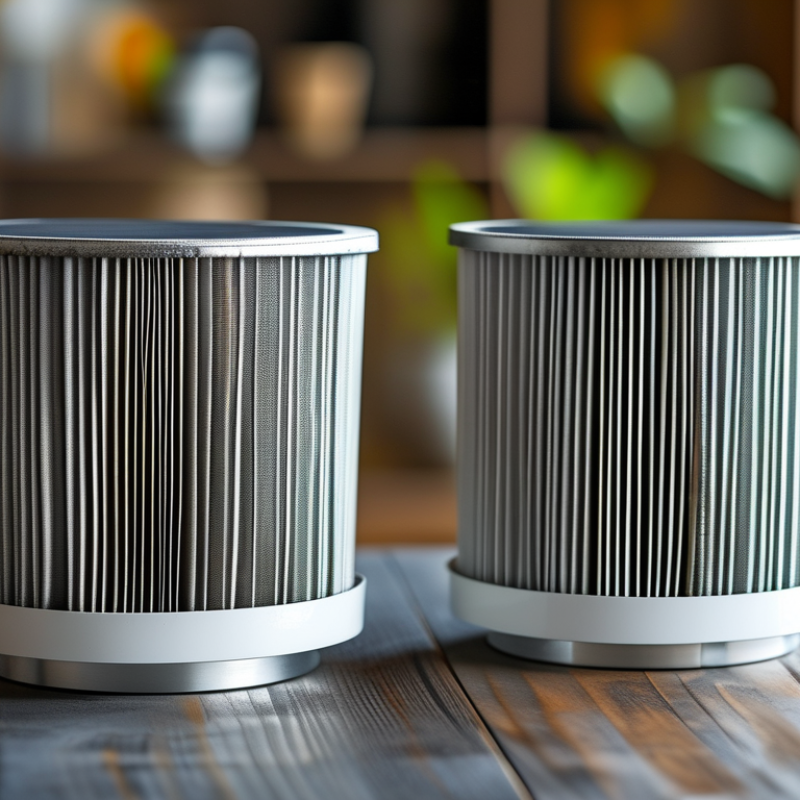
What is a Carbon Filter?
A carbon filter is a device that uses activated carbon to purify air or water. Activated carbon is treated to have many tiny pores, increasing its surface area. This feature allows it to trap impurities and contaminants effectively. A carbon filter can remove odors, chlorine, and various organic compounds. It is widely used in air purifiers, water filtration systems, and aquariums.
The mechanism of a carbon filter is simple but effective. As air or water flows through the filter, contaminants adhere to the carbon surface. This process is known as adsorption, which differs from absorption. While absorption involves one substance being absorbed into another, adsorption is about surface interaction. The filter needs regular replacement as its efficiency decreases over time. A dirty filter may release trapped impurities back into the air or water.
Understanding how a carbon filter works is crucial for effective use. Users must consider factors like flow rates and the type of contaminants present. Not all filters work for every situation. Some filters may have a limited lifespan, depending on usage. Recognizing these limitations is essential for maintaining clean, safe air or water.
The Composition and Types of Carbon Used in Filters
Carbon filters are widely recognized for their effectiveness in purifying air and water. The heart of these filters lies in the type of carbon used. Generally, activated carbon is the most common type found in filters. Made from carbon-rich materials, it undergoes a specific process that increases its surface area. This structure allows it to capture contaminants effectively.
There are various forms of activated carbon. Granular activated carbon (GAC) is popular due to its high surface area and ease of use. It is commonly found in household water filters. Powdered activated carbon (PAC) is more compact and often used in industrial settings. Each type has its advantages, depending on the application. However, the effectiveness can vary based on particle size and contact time with the contaminated substance.
Choosing the right carbon type can be challenging. It’s crucial to consider what contaminants you need to filter. Different compounds have different absorption rates. A filter may work well for one pollutant but not for another. The effectiveness over time must also be assessed, as filters can become saturated. Regular testing and replacement of carbon filters are essential to maintain performance and ensure clean water or air.
What is a Carbon Filter and How Does it Work? - The Composition and Types of Carbon Used in Filters
| Type of Carbon | Source | Application | Benefits |
| Activated Carbon | Coconut shells, peat, wood | Water filtration, air purification | High surface area, effective adsorbent |
| Granular Activated Carbon (GAC) | Coal, coconut shells | Water treatment, extraction processes | Cost-effective, easy to handle |
| Powdered Activated Carbon (PAC) | Various carbonaceous materials | Drinking water purification | Rapid adsorption, quick mixing |
| Carbon Block | Bonded activated carbon | Point-of-use filtration systems | Improved flow rate, effective for chlorine removal |
| Synthetic Carbon | Chemical processes | Specialized filtration applications | Tailored pore structure, specific adsorption properties |
The Mechanism of Action: How Carbon Filters Remove Contaminants
Carbon filters are essential tools in purifying air and water. They operate through a process called adsorption, where harmful contaminants adhere to the surface of activated carbon. This carbon is treated to create small pores, increasing its surface area and enhancing its ability to capture impurities. When water or air passes through the filter, volatile organic compounds, odors, and chlorine molecules cling to the carbon, effectively reducing their presence.
The mechanism of action is surprisingly effective. Contaminants like benzene and formaldehyde can be removed by carbon filters. However, the lifespan of these filters is limited. Once the carbon is saturated, it can no longer trap harmful substances. This saturation varies depending on usage and environment. Regular inspection of filters is crucial for maintaining effectiveness.
Interestingly, while carbon filters are highly efficient, they do have limitations. They do not remove all contaminants, especially heavy metals or certain pathogens. Understanding these gaps in filtration can guide users toward complementary filtration technologies. Awareness of a filter's limitations ensures better water and air quality.
Contaminants Removed by Carbon Filters
This bar chart illustrates the effectiveness of carbon filters in removing various contaminants. Chlorine is the most effectively removed with a 90% reduction, followed by sediment at 85%, volatile organic compounds at 75%, pesticides at 80%, and heavy metals at 70%.
Applications of Carbon Filters in Water and Air Purification
Carbon filters are widely used in both water and air purification systems due to their effectiveness in trapping contaminants. In water purification, these filters excel at removing chlorine, heavy metals, and unpleasant odors. They work by adsorbing harmful substances, allowing for cleaner and safer drinking water. The process is straightforward but highly effective, capturing particles as water flows through the activated carbon medium.
In air purification, carbon filters eliminate odors, volatile organic compounds (VOCs), and other pollutants. This is vital for maintaining indoor air quality. Healthy air is essential for overall well-being, and carbon filters play a key role. However, it’s important to replace these filters regularly. Over time, they can become saturated and less effective. Ensure you keep a reminder for timely replacements.
Tips: Monitor your air and water quality frequently. Don’t overlook minor issues; they can escalate. Also, consider using activated carbon in various forms, like granules or blocks, based on your specific needs. Every situation is unique, and it may take some trial and error to find the best solution for you.
Maintenance and Lifespan of Carbon Filters
When it comes to carbon filters, maintenance is crucial for optimal performance. Regular inspection of your filter ensures it doesn’t become a breeding ground for bacteria. Check the filter every month. Look for any discoloration or odors. These signs may indicate it needs changing.
The lifespan of a carbon filter varies. Generally, it lasts between six months to one year. Factors affecting its longevity include usage, water quality, and environmental conditions. For instance, in highly polluted areas, replacements may be needed sooner. It's important to keep track of when you installed your filter. Creating a reminder can help.
Cleaning carbon filters is often a debate. Some suggest rinsing them, while others warn against it. Rinsing may remove some impurities. However, it could also diminish its effectiveness. Assess your situation. Learning about your filter will guide you in making the right choice. Regular maintenance extends its life, ensuring clean air or water.