Why Choose Capsule Filling Machine for Your Manufacturing Needs?
In today's competitive manufacturing landscape, choosing the right equipment is crucial. A Capsule Filling Machine stands out as a reliable solution for many businesses. This machine efficiently fills capsules with various materials, such as powders or pellets. Its precision and speed can significantly enhance production efficiency.
Investing in a Capsule Filling Machine reflects a commitment to quality and consistency. Manufacturers focus on ensuring their products meet high standards. This machine allows for better control over the filling process, minimizing waste and improving product quality. However, it is essential to evaluate different models and features to find the best fit for specific needs.
Despite its advantages, some challenges exist. Not all machines perform equally, and some may require significant maintenance. Businesses should be prepared to invest time in training staff. Understanding the machine’s capabilities can help in maximizing its performance. Overall, a Capsule Filling Machine can be a game-changer for manufacturers when chosen wisely.
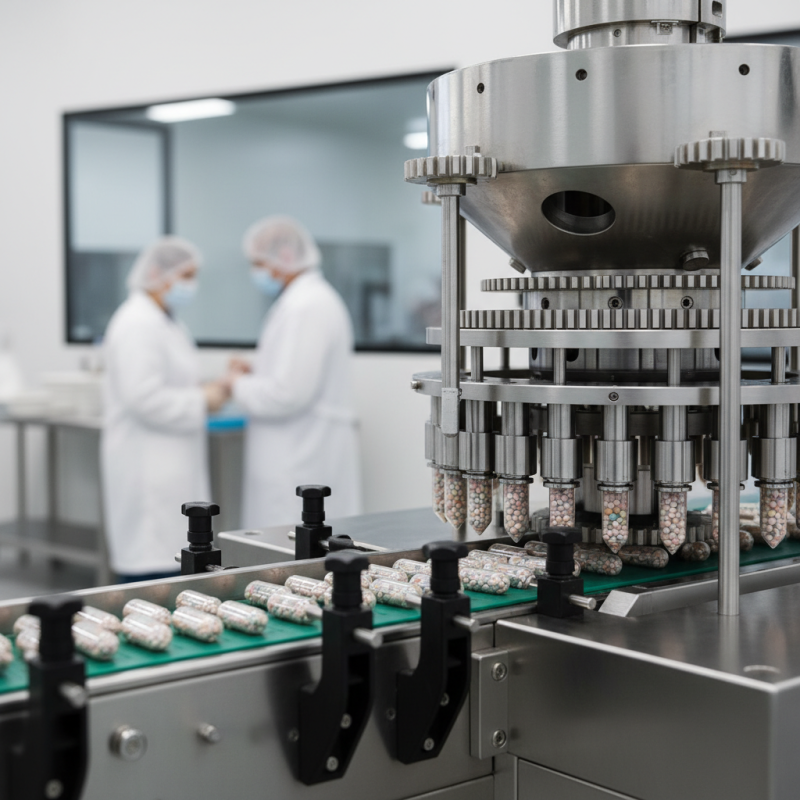
Benefits of Using Capsule Filling Machines in Manufacturing
Capsule filling machines have become essential tools in the manufacturing sector. Their use has grown significantly in recent years. According to a recent industry report, the global capsule filling machine market is projected to reach $1.1 billion by 2025. This growth highlights the importance of efficiency in production processes.
One of the major benefits of capsule filling machines is their ability to increase production speed. Manufacturers can fill thousands of capsules per hour. This efficiency not only saves time but also reduces labor costs. Additionally, machines enable precise dosage control, ensuring product consistency. A study found that the use of these machines can reduce errors by up to 30%. This precision is crucial in industries where product integrity is vital.
Moreover, capsule filling machines are versatile. They can handle various formulations, allowing for the production of different products in a single run. This flexibility meets changing market demands quickly. However, companies must consider the initial investment and maintenance costs. These machines require regular calibration to sustain accuracy. Despite these challenges, the advantages of using capsule filling machines significantly outweigh potential drawbacks.
Key Features to Look for in Capsule Filling Machines
When selecting a capsule filling machine, several key features are paramount. The machine's capacity should align with production demands. High-speed operation can save time, yet a balance is necessary. Assessing the machine’s efficiency in handling various capsule sizes increases flexibility. This adaptability is crucial as market needs change.
Another vital aspect is the ease of use. User-friendly controls streamline the operation process. Proper training can mitigate errors, but overly complex systems may still lead to delays. Maintenance requirements also merit attention. Regular servicing ensures consistent performance. However, machines that demand frequent upkeep can disrupt production schedules.
Finally, consider the machine's build quality. Sturdy construction can lead to longevity. Regular wear can happen, particularly with high-output demands. A machine that experiences frequent malfunctions may require reflections on its design. Investing in quality will pay off, but not without diligence. Explore all options carefully before making a decision.
Comparison of Manual vs. Automatic Capsule Filling Machines
When selecting a capsule filling machine, the choice between manual and automatic models can significantly impact your manufacturing process. Manual machines require more human intervention. Operators must carefully measure and fill each capsule. This approach can lead to variations in product consistency. However, many operators appreciate the control manual machines offer. There is a certain craftsmanship to it.
In contrast, automatic capsule filling machines operate with speed and precision. They can fill thousands of capsules in a short time. This efficiency can reduce labor costs and minimize human error.
Yet, some manufacturers may feel apprehensive about the initial investment. The complexity of automation may also require specialized training for staff. Weighing the upfront cost against long-term savings is crucial.
Both options have their pros and cons. Some manufacturers might prefer the hands-on experience of manual machines. Others may favor the reliability of automation. It's important to evaluate your production goals and capacity before making a decision. Understanding your specific needs can lead to better outcomes in capsule manufacturing.
Common Industries Benefiting from Capsule Filling Technology
Capsule filling technology is gaining traction across various industries due to its efficiency and precision. The pharmaceutical sector stands out, as market reports indicate that it will reach a value of approximately $1.5 trillion by 2023. With increasing demand for easy-to-administer medications, capsule filling machines offer consistent quality and dosage accuracy. The ability to fill a diverse range of powders allows pharmaceutical companies to meet patient needs effectively.
Another industry reaping benefits is nutraceuticals. In 2022, the global nutraceutical market was valued at $382 billion and is projected to grow significantly. Capsule filling machines provide a versatile solution to encapsulate vitamins, minerals, and herbal supplements. This technology ensures that products can be delivered in a user-friendly form, appealing to a broader audience.
Tip: When considering capsule filling technology, assess your production scale thoroughly. Different machines cater to various volumes. It's essential to choose a machine that aligns with your production needs to avoid underutilization.
In the cosmetics sector, the trend is also apparent. Companies are increasingly using capsules for skincare products. These capsules offer precise dosing while maintaining product integrity. However, the capital investment in machinery can be significant. Companies must weigh the long-term value against initial costs.
Tip: Regular maintenance of your capsule filling machine is vital. It not only extends the life of the machine but also ensures the consistent quality of output.
Why Choose Capsule Filling Machine for Your Manufacturing Needs? - Common Industries Benefiting from Capsule Filling Technology
| Industry | Benefits | Common Applications |
| Pharmaceutical | High accuracy in dosage, flexibility in formulation | Vitamins, Supplements, Prescription Medications |
| Nutraceutical | Custom blends, improved product consistency | Herbal Products, Functional Foods |
| Cosmetics | Variety of formulations, enhanced user experience | Beauty Supplements, Skin Care Products |
| Food Industry | Easy incorporation of nutrients, extended shelf life | Meal Replacement Capsules, Functional Snacks |
| Animal Health | Tailored formulations for pets and livestock | Veterinary Supplements, Nutritional Capsules |
Maintenance Tips for Optimal Performance of Capsule Filling Machines
Maintenance is vital for capsule filling machines to ensure they perform effectively. Regular upkeep can reduce downtime and increase production efficiency. According to a report by The World Manufacturing Forum, maintenance accounts for nearly 20% of manufacturing costs. Therefore, investing time in proper maintenance strategies is essential.
One important tip is to schedule regular cleaning. Residue from previous batches can affect product quality. Cleaning should involve disassembling key components for thorough inspections. Operators should also check for wear and tear. Ignoring small issues can lead to larger, costly repairs.
Another critical aspect is lubrication. Many machines require specific lubricants for optimal performance. Proper lubrication minimizes friction, prolonging the machine's lifespan. In a recent study, it was found that machines with proper lubrication showed a 30% increase in efficiency. Keep a log of lubrication intervals to ensure consistency.
Monitoring components helps in identifying potential issues early. For example, checking seals and gaskets can prevent leaks that might affect operation. A focus on detail can significantly impact overall productivity. Making maintenance a priority can lead to better outcomes in manufacturing processes.