Where to Buy High Quality Elevator Wire Rope for Safety?
When it comes to elevators, safety is paramount. One crucial component contributing to this safety is the Elevator wire rope. High quality elevator wire ropes ensure reliable performance and longevity, which are essential for smooth and secure elevator operations. The importance of choosing the right supplier cannot be overstated.
There are many options on the market. However, not all suppliers offer the same level of quality or expertise. Look for companies with a solid reputation and experience in manufacturing elevator wire ropes. They should provide guarantees about their products and prioritize safety standards. It’s vital to understand what makes a wire rope suitable for your specific elevator needs.
Researching suppliers as well as their materials is essential. Don't rush the decision-making process. Poor choices can lead to costly mistakes and safety risks. Be cautious of overly cheap options, as they may compromise quality. Take the time to evaluate and reflect on your choices. Ultimately, investing in high quality elevator wire rope pays off in the long run.
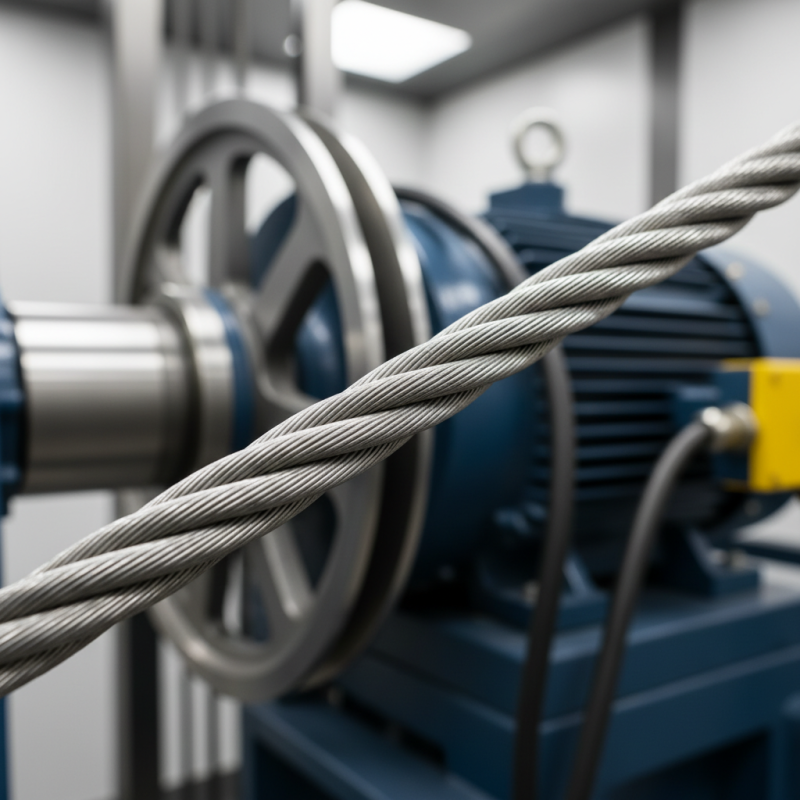
Factors to Consider When Purchasing Elevator Wire Rope for Safety
When purchasing elevator wire rope, safety should be your top priority. Conducting thorough research on supplier certification is essential. The International Organization for Standardization (ISO) sets global standards that wire rope manufacturers should meet. Non-compliance may lead to inferior products, which increases the risk of accidents.
Consider the tensile strength of the wire rope. According to the American Society of Mechanical Engineers (ASME), elevator wire ropes must have a minimum breaking strength to ensure safety. For most elevators, a wire rope with a breaking strength of at least five times the maximum load is advisable. Additionally, be aware that wire ropes can weaken over time due to factors like corrosion and fatigue. Regular inspections and maintenance are essential to assess their condition.
The choice of material is another critical factor. Steel is the dominant material, known for its durability. However, stainless steel offers better resistance to corrosion, making it suitable for humid environments. Remember, not all suppliers disclose these vital specifications clearly. Always request detailed reports or technical data sheets. This can prevent future disappointments and ensure a safe investment.
Types of Elevator Wire Ropes Available in the Market
When considering elevator wire ropes, understanding the available types is crucial for safety and performance. Wire ropes are primarily categorized based on their construction and application. The most common types include multi-strand ropes, which offer flexibility and strength. These ropes are often made from high carbon steel to enhance durability. Data from industry reports indicate that high-quality wire ropes can increase elevator safety by over 40%.
Another type is the traction rope. These are designed specifically for lifting applications. They feature a unique design that minimizes wear while maximizing grip on sheaves. According to a study by the International Organization for Standardization (ISO), using traction ropes can extend the lifespan of elevator systems by up to 30%. However, improper installation or maintenance can lead to failure, which underscores the need for regular inspections.
It’s also essential to consider the coating of the wire ropes. Galvanized ropes resist corrosion, while nylon-coated options reduce friction. Each type has advantages and potential downsides. The choice depends on environmental conditions and specific elevator needs. In the end, selecting the right wire rope type is essential for maximizing safety and reliability in elevator systems. However, comprehensive knowledge and regular maintenance are vital to avoid performance issues.
Top Manufacturers of High Quality Elevator Wire Rope
When selecting high-quality elevator wire rope, identifying top manufacturers is crucial for safety. According to a recent industry report by the International Association of Elevators, the demand for reliable wire ropes has increased by over 15% in recent years. This surge highlights the importance of sourcing materials from reputable companies known for their rigorous testing standards and certifications.
When you research manufacturers, consider their track record. Look for companies that have been in the business for at least a decade. It's also beneficial to check reviews and testimonials from past clients. Innovations in materials, such as improved steel alloys, can enhance rope durability and performance significantly. Many experts suggest that the best wire ropes undergo tests that exhibit resistance to bending fatigue and corrosion.
Tip: Always request product certifications. This ensures that the wire ropes meet safety regulations and industry standards. A rope's lifespan can drastically vary, so choose wisely.
Stay informed about market trends. The latest data indicates that synthetic core ropes are gaining traction due to their lighter weight and increased flexibility. However, they may not always match the durability of traditional steel ropes. Understanding these nuances can help you make an informed choice tailored to your specific elevator needs.
Where to Buy High Quality Elevator Wire Rope for Safety?
| Manufacturer Location | Material Type | Wire Rope Diameter (mm) | Load Capacity (kg) | Safety Standard |
| USA | Stainless Steel | 10 | 1500 | ISO 4344 |
| Germany | Carbon Steel | 12 | 2000 | DIN 15020 |
| Japan | Galvanized Steel | 8 | 1200 | JIS B 8811 |
| China | High Carbon Steel | 14 | 2500 | GB 8918 |
| Italy | Alloy Steel | 16 | 3000 | EN 12385 |
Where to Find Reliable Suppliers for Elevator Wire Rope
When searching for reliable suppliers of high-quality elevator wire rope, it’s essential to explore several avenues. Start by consulting industry directories that list reputable manufacturers. These platforms often feature reviews and ratings from other buyers. They can guide you to companies with a solid track record in safety and reliability.
Attending trade shows and industry conferences can also be beneficial. Meeting suppliers face-to-face allows you to ask questions directly and assess their expertise. Look for suppliers who prioritize safety standards and demonstrate a commitment to quality. Ask about their manufacturing processes and quality control measures. This direct interaction can help in making informed decisions.
Networking with professionals in the elevator industry can yield valuable insights. Join forums or online groups to share experiences and recommendations. Sometimes, a personal touch from someone in the field can point you to suppliers who might not have a large online presence. While you seek the best, remember that not every supplier may meet your expectations. Evaluating multiple options can lead to a more informed choice.
High Quality Elevator Wire Rope Specifications
Tips for Ensuring the Quality of Elevator Wire Rope Before Purchase
When considering the purchase of elevator wire rope, quality is paramount. Inspecting the specifications is crucial. Look for the diameter, construction type, and material. High-quality ropes often undergo stringent testing to meet safety standards. As mentioned in a report by the International Organization for Standardization, approximately 10% of wire rope failures are due to manufacturing defects. Thus, sourcing from reputable manufacturers is essential.
Check for certifications that signify compliance with industry standards, such as ISO or EN standards. These certifications demonstrate a commitment to safety and reliability. A study by the Occupational Safety and Health Administration (OSHA) shows that proper wire rope selection can reduce accidents by 30%. Understanding the technical aspects can help end-users make informed decisions.
It's also important to request samples and data sheets. Inspect them for visible signs of wear, such as outer layer fraying or rust. Such issues could indicate a safety risk. Many buyers overlook this step, leading to potentially dangerous situations. Engaging with professionals in the field can offer additional insights. Make inquiries, ask for recommendations, and assess user reviews before finalizing a purchase. Each step helps ensure the rope meets safety needs.