Best Geotextile Fabric for Your Construction Project?
When embarking on a construction project, choosing the right materials is paramount. One essential element is Geotextile Fabric. This material plays a crucial role in improving soil stability, aiding drainage, and preventing erosion. However, selecting the best Geotextile Fabric can be a challenge. Different projects have unique requirements, making it difficult to identify the perfect option.
The variety of Geotextile Fabrics available often leads to confusion. Not all fabrics suit every need. For instance, some are designed for drainage, while others focus on separation. Understanding the applications of each type is vital. Consideration of factors like soil type and environmental conditions is necessary for making informed choices.
It's also important to recognize that the best Geotextile Fabric for one project may not be ideal for another. Mistakes can be costly, both financially and in terms of project timeline. Thus, reviewing the specific demands of your construction project will provide clarity. A well-informed decision can lead to enhanced performance and longevity of your structures.
Understanding Geotextile Fabrics and Their Applications
Geotextile fabrics are essential in modern construction. They serve multiple functions, including reinforcement, filtration, and separation. Understanding these materials can optimize your project’s effectiveness. According to the Federal Highway Administration (FHWA), geotextiles can reduce construction costs by up to 30%. This statistic underscores their value in improving soil stability and drainage.
These fabrics are typically made of synthetic fibers. They come in woven and non-woven forms. Each type has different applications, such as erosion control and soil stabilization. A report from the International Geosynthetics Society highlights that using geotextiles can extend the lifespan of roads by enhancing subgrade strength. This not only saves money but also reduces maintenance frequency.
However, not all geotextile products perform equally. Issues can arise if they are not installed correctly. Factors like soil type and climatic conditions affect their performance. Contractors should critically evaluate their specific project needs. This careful consideration ensures that the right geotextile is selected. Practical experience is paramount in navigating these choices effectively.
Types of Geotextile Fabrics Suitable for Construction Projects
When selecting geotextile fabrics for construction projects, understanding the types available is crucial. Geotextiles mainly fall into two categories: woven and non-woven. Woven geotextiles are strong and durable. They are ideal for applications requiring high tensile strength, such as soil stabilization. Non-woven geotextiles, on the other hand, provide excellent drainage and filtration. They are often used in road construction and landscaping projects.
Tip: Consider the environmental conditions of your site. Woven fabrics may perform better in high-stress areas, while non-woven types excel in water management.
Another type is the composite geotextile, which combines the features of both woven and non-woven materials. These offer versatility for complex projects, making them useful in diverse applications like retaining walls and erosion control. It’s essential to match the type of geotextile with the specific needs of your project for effective results.
Tip: Always consult with a materials engineer. They can provide insights on the best choice that aligns with your project requirements. Evaluate factors like soil type, load conditions, and moisture levels.
Factors to Consider When Choosing Geotextile Fabric
When selecting geotextile fabric for a construction project, several factors come into play. The type of project significantly influences the choice of fabric. For road construction, fabrics need to provide high tensile strength. In contrast, for landscaping, a permeable fabric is often more suitable. This difference can affect project longevity and effectiveness.
Material composition is another critical aspect. Geotextile fabrics can be woven, non-woven, or knitted. Each type has unique properties. Woven fabrics are known for stability. They can withstand heavy loads. Non-woven fabrics, on the other hand, excel in drainage applications. Choosing the right material requires careful evaluation.
Consider environmental factors as well. Soil type and moisture levels impact fabric performance. Different regions may also have varying climatic conditions. This can influence the durability of the fabric over time. Neglecting these details can lead to project failures. Always assess the site's specific needs before making a selection.
Best Geotextile Fabric for Your Construction Project? - Factors to Consider When Choosing Geotextile Fabric
| Type of Geotextile | Primary Use | Material | Weight (g/m²) | Water Permeability (m/s) | Typical Applications |
| Non-Woven | Separation and Filtration | Polypropylene | 150 | <0.1 | Landfills, Roadway Construction |
| Woven | Reinforcement and Stabilization | Polypropylene | 200 | >0.5 | Slope Protection, Retaining Walls |
| Geocomposite | Drainage | Polyester and Polypropylene | 300 | 0.1-0.5 | Roadway and Pavement Drainage |
| Multi-Functional | Erosion Control and Filtration | Bamboo Fiber or Other Natural Materials | 100 | <0.01 | Vegetative Coverage, Riverbanks |
Installation Techniques for Geotextile Fabrics in Construction
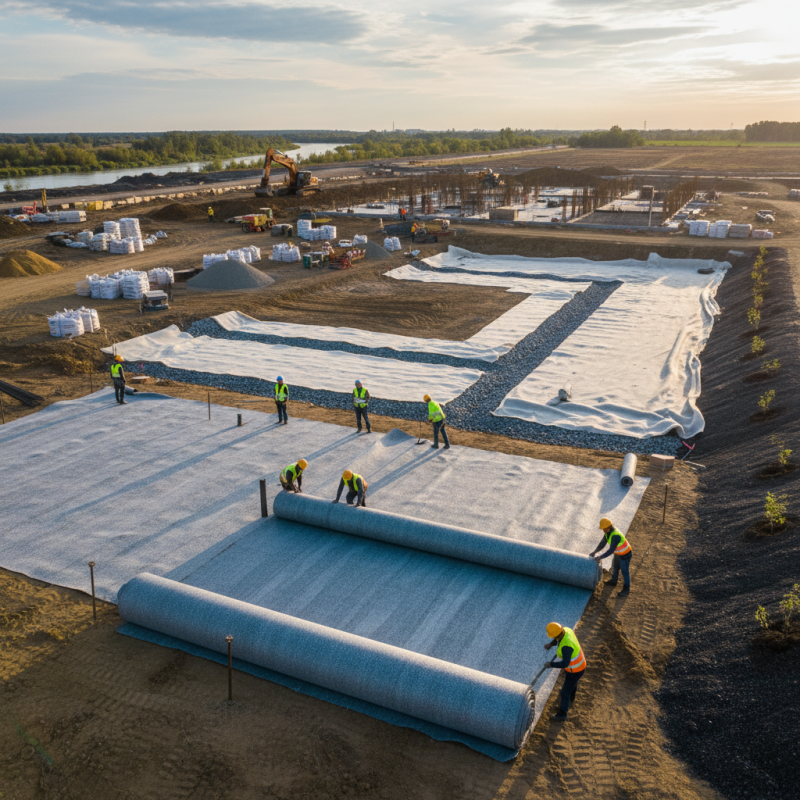
Installing geotextile fabrics in construction requires careful planning. The key is to ensure proper site preparation. Clear the area of debris and vegetation. This step prevents contamination and ensures better fabric performance. Use a level surface to minimize wrinkles. Uneven surfaces can lead to water pooling and reduced effectiveness.
When laying the fabric, overlap edges by at least 12 inches. This overlap helps maintain stability. It's essential to avoid stretching the fabric. Stretching can create weak points. Use anchoring pins or stakes to secure the fabric in place. They should be driven into the ground firmly, ensuring the fabric does not shift during installation.
Consider local climate conditions. Wet or windy weather can complicate the installation. Evaluate the site post-installation to check for issues. Regular inspections will help in identifying wear or damage over time. Reflecting on past projects aids in improving future installations. Understanding the challenges encountered makes the process smoother.
Maintenance and Durability of Geotextile Fabrics in Projects
Geotextile fabrics play a crucial role in various construction projects, providing separation, filtration, and stabilization. Their effectiveness largely depends on proper maintenance and durability. In harsh environments, the longevity of these materials can be a concern. Factors such as UV exposure, chemical interactions, and mechanical wear can compromise their integrity.
Regular inspection of geotextile fabrics is essential. Look for signs of degradation, such as discoloration or fraying. These signs may indicate a potential failure point. While some fabrics might resist certain elements, no material is immune to all forms of deterioration. Addressing issues promptly can prevent larger problems later.
The installation process also influences durability. Improper handling can lead to voids or creases, affecting performance. Project managers should prioritize training for workers to minimize these risks. Understanding the environmental context of a project can enhance the selection and maintenance process. Every project presents unique challenges; adapting to these can mean the difference between success and failure.
Maintenance and Durability of Geotextile Fabrics in Construction Projects