Best Concrete Polishing Blades for Flawless Finishes?
Concrete polishing can transform dull surfaces into stunning finishes. However, achieving flawless results is not just about technique; it heavily relies on the quality of Concrete Polishing Blades used. The right blades can enhance the polishing process, ensuring durability and efficiency.
Choosing the best Concrete Polishing Blades requires an understanding of various materials and grit levels. Each project is unique, and what works for one may not suit another. Consider the specific conditions of your workspace. Polishing can sometimes reveal imperfections that were previously hidden. Reflecting on any shortcomings in technique can lead to improvements.
Investing in high-quality Concrete Polishing Blades is essential for professional results. It's about precision and the right tools. With the right choice, the path to a flawless finish is clearer. Poor blade selection can hinder success. So, assess your options carefully to achieve the desired outcome.
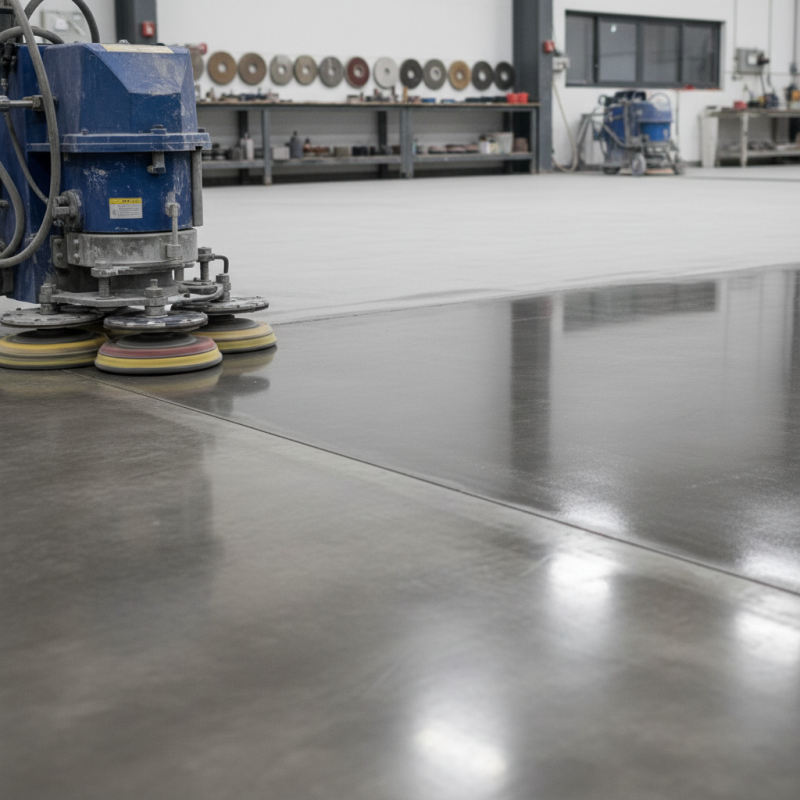
Best Concrete Polishing Blades: An Overview of Types and Materials
When choosing concrete polishing blades, it’s essential to consider the types and materials available. Polishing blades vary significantly, impacting both performance and finish quality. Diamond blades are popular due to their durability and efficiency. They can achieve a high-gloss finish on surfaces. However, they might not be suitable for softer materials, which can lead to uneven results.
Another option is metal bond blades. These blades are great for the initial grinding phase. They efficiently remove material and prepare surfaces. Yet, they often require careful selection based on the aggregate in the concrete. A mismatch can result in unsatisfactory finishes, highlighting the need for deeper understanding.
Resin bond blades provide a unique flexibility for polishing. These blades are ideal for achieving a smooth surface. They excel in refining the sheen but may wear out faster than other options. Users need to consider their level of expertise and the specific demands of the job. Choosing the right blade requires experience and knowledge of what each type offers. A wrong choice can complicate the polishing process and result in disappointing outcomes.
Key Features to Consider When Choosing Concrete Polishing Blades
When selecting concrete polishing blades, several key features should guide your choice. The blade’s diamond composition significantly influences performance. Higher diamond concentrations improve durability and grind efficiency. Look for blades that offer a balance between cutting power and longevity. A blade that wears out quickly can lead to inconsistent finishes and increased costs over time.
Another important factor is the grit size. Blades typically range from coarse to fine. Coarse grit blades are ideal for initial grinding, while finer grits create a polished surface. Understanding this can help you achieve the desired finish, whether it’s a matte look or a high shine. Pay attention to the specific applications and the type of concrete being polished; not all blades perform equally well on different surfaces.
Additionally, consider the compatibility with your polishing machine. Each machine has specific requirements for speed and pressure settings. Using incompatible blades may result in subpar outcomes. Finally, check for user reviews and testimonials. Real-world experiences can reveal potential issues and advantages that specifications alone cannot convey. Balancing these considerations will enhance your concrete polishing projects.
Best Concrete Polishing Blades for Flawless Finishes
| Blade Type | Grit Size | Material | Best Use | Lifespan |
| Diamond Blade | 30 | Diamond | Heavy grind | 200 hours |
| Resin Bond Blade | 50 | Resin | Polishing | 100 hours |
| Metal Bond Blade | 100 | Metal | Initial grind | 150 hours |
| Hybrid Blade | 60 | Mixed | Versatile use | 120 hours |
| Turbo Blade | 80 | Diamond | Fast cutting | 180 hours |
Industry Standards: Grit Levels and Their Impact on Finish Quality
When it comes to concrete polishing, understanding grit levels is essential for achieving a flawless finish. Grit levels range from coarse to fine and significantly impact the final appearance of the surface. For instance, a lower grit, like 30-50, is used for heavy material removal. This grit is ideal for eliminating deep scratches and imperfections. However, it can leave a rough texture that requires additional polishing.
Moving to higher grits, such as 100-200, begins to refine the surface. This stage enhances clarity and shine while removing the scratches left by coarser grits. Reports indicate that processes involving higher grit levels often yield more consistent results. Many professionals suggest using a 400 to 800 grit for the final polish. At this stage, the concrete starts to exhibit a mirror-like quality. However, it is critical to balance grit selection; over-polishing with too fine a grit can lead to issues like unevenness.
Industry studies reveal that choosing the right grit can influence not just appearance but durability as well. A polished finish can protect concrete surfaces from stains and wear, prolonging their lifespan. However, it’s easy to overlook proper grit progression, resulting in a lack of depth in the finish. Some professionals admit they’ve faced challenges in achieving a uniform sheen, particularly when moving too quickly through the grit sequence. Often, patience and a systematic approach yield the best results in concrete polishing.
Top Manufacturers of Concrete Polishing Blades and Their Innovations
The concrete polishing industry has seen significant innovations in recent years. Leading manufacturers focus on enhanced durability and performance. According to market research, the global market for concrete polishing blades is expected to grow by 5.3% annually until 2026. This data reflects an increasing demand for high-quality finishes and sustainable materials.
Innovations such as diamond-infused blades have revolutionized the polishing process. These blades provide superior grinding and cutting efficiency. Many manufacturers now experiment with resins that help reduce wear and tear. Research notes a reduction in downtime by up to 30% using these advanced blades. However, even the best products can experience inconsistencies based on surface conditions and operator skill.
Another point of reflection is the environmental impact of manufacturing processes. As demand rises, the energy consumption and waste produced also increase. This calls for more sustainable practices in blade production. Continuous improvement and innovation are essential to address these ecological concerns. The industry must navigate balancing performance with environmental responsibility.
Maintenance Tips for Extending the Lifespan of Polishing Blades
When it comes to maintaining the lifespan of concrete polishing blades, regular upkeep is essential. According to a report by the American Concrete Institute, proper maintenance can extend the life of polishing tools by up to 30%. This is significant for contractors looking to optimize costs and efficiency. One key aspect of maintenance is thorough cleaning after each use. Dust and concrete residue can wear down the blades over time, leading to diminished performance.
Another important measure is inspecting blades regularly for signs of wear and damage. Frequent inspections can help identify issues early, allowing for timely replacements. A study from the International Concrete Repair Institute found that neglecting inspections could reduce blade life by nearly 50%. Operators should also be mindful of the grinding pressure applied during use. Excessive pressure can lead to overheating and premature wear, reducing effectiveness over time.
Lastly, it’s crucial to store the blades properly. Store them in a cool, dry environment to prevent corrosion. Moist conditions can lead to rust, affecting blade quality. Not everyone takes the time to ensure proper storage, which often leads to unnecessary losses. Regularly revisiting these maintenance practices can contribute to better results in concrete polishing projects.