
Submit Inquiry
27 West Beaver Creek Road Unit #2
Richmond Hill, ON, CANADA L4B 1M8

International:

1-905-886-0335

US & Canada:

1-800-265-5696

Top 10 Benefits of Electrical Steel for Modern Industry?

In today's competitive landscape, the role of Electrical Steel is increasingly vital. It serves as a core component in various applications, from transformers to electric motors. According to a recent report from MarketResearchFuture, the global demand for Electrical Steel is projected to reach $25 billion by 2027, growing at a CAGR of 7.2%. This growth reflects the material's importance in energy efficiency and performance enhancement.

Dr. Emily Carter, a leading expert in electrical engineering, emphasizes the significance of Electrical Steel by stating, "The advancement of Electrical Steel directly influences the efficiency of modern electrical machines." This underscores how innovations in Electrical Steel can drive performance improvements across numerous industries. Yet, the industry must navigate challenges in production and sustainability. The transition to greener manufacturing practices is essential but often difficult.

Manufacturers face hurdles in balancing cost and quality. While Electrical Steel offers benefits, the initial investment can be daunting. Ensuring high-quality production while keeping costs manageable remains a crucial area for reflection. As industries evolve, understanding the multifaceted advantages of Electrical Steel will pave the way for future innovations.
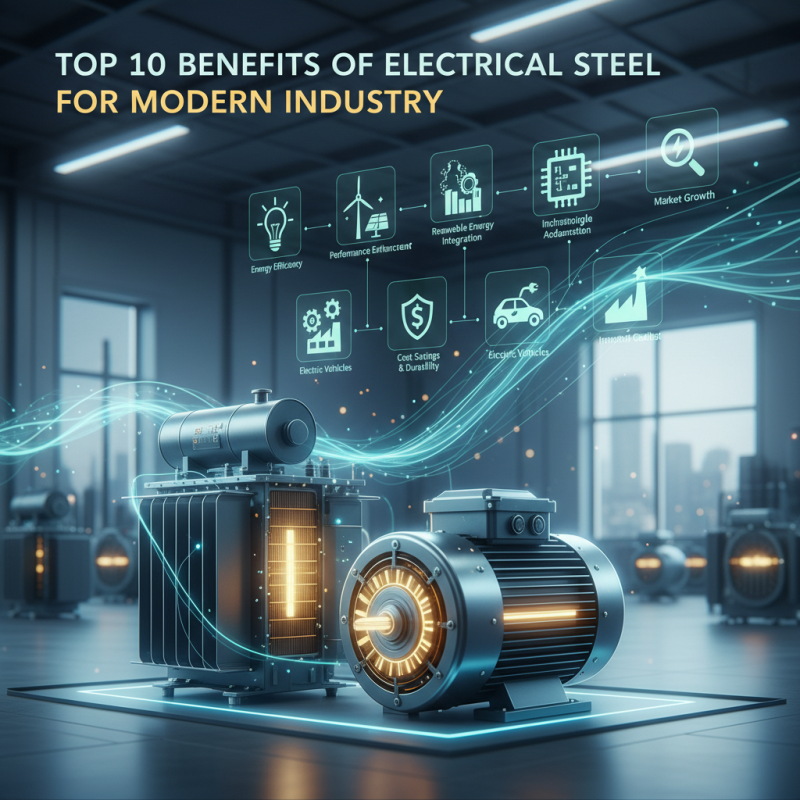
Top 10 Benefits of Electrical Steel for Modern Industry?

Benefits of Electrical Steel in Energy-Efficient Motors

Electrical steel plays a pivotal role in the manufacturing of energy-efficient motors. This specialized material significantly increases the efficiency of motor operations. Reports indicate that motors made with electrical steel can improve efficiency by up to 10% compared to standard materials. This energy saving translates directly into reduced operational costs for industries.

The use of electrical steel reduces energy losses during motor operation. Studies suggest that up to 25% of energy can be lost in conventional motors. Incorporating electrical steel helps minimize these losses due to its high magnetic permeability. Enhanced efficiency is not just a cost-saving measure; it also contributes to a greener environment by lowering energy consumption.

**Tip:** When selecting materials for motors, consider both efficiency and lifecycle costs. Investing in electrical steel may have a higher initial cost but leads to significant savings over time.

Despite these benefits, some manufacturers may still hesitate to switch to electrical steel. Challenges include higher initial costs and the need for updated manufacturing processes. This often leads to a slower adoption rate in certain sectors. However, as the demand for energy efficiency rises, reevaluating these barriers is essential for long-term success.

Top 10 Benefits of Electrical Steel for Modern Industry

Benefit Description Impact on Industry
High Magnetic Permeability Allows for efficient magnetic flux transfer. Increases efficiency in transformers and motors.
Low Core Loss Minimizes energy losses during operation. Reduces energy consumption, lowering operational costs.
Improved Electrical Conductivity Enhances the performance of electrical components. Supports the development of advanced electric motors.
Heat Resistance Withstands high temperatures without performance loss. Extends the lifespan of electrical equipment.
High Saturation Flux Density Enables compact and efficient motor designs. Facilitates miniaturization of devices in modern applications.
Reduced Noise Levels Minimizes operational noise in motors and generators. Improves user experience in residential and commercial applications.
Cost Efficiency Lower manufacturing costs due to high material efficiency. Encourages investment in energy-efficient technologies.
Versatile Applications Used in various industries such as automotive and industrial. Promotes innovation across multiple sectors.
Sustainability Supports environmental goals through energy savings. Aligns with global efforts towards greener solutions.
Enhanced Performance in Electrification Optimized for modern electrification solutions. Paves the way for future technological advancements.

Role of Electrical Steel in Transforming Power Generation

Electrical steel plays a critical role in modern power generation, thanks to its unique magnetic properties. According to industry reports, electrical steel accounts for about 7% of the total steel production but is essential for efficient transformer and motor performance. It enhances energy efficiency, resulting in lower operational costs for power plants.

The use of silicon steel, a type of electrical steel, significantly improves magnetic permeability. Data indicates that transformers made from high-grade electrical steel can reduce energy losses by up to 30%. This reduction in losses translates into significant savings in electricity and decreases greenhouse gas emissions. However, achieving these benefits often requires costly production processes and advanced technologies, posing a challenge for many manufacturers.

Moreover, while electrical steel contributes to energy efficiency, its production can have a substantial environmental impact. The mining and processing of raw materials consume vast resources. As the industry seeks greener alternatives, the demand for recycled electrical steel is growing. Embracing sustainability will not only help mitigate environmental concerns but also ensure a stable supply chain for the future. Achieving this balance remains a complex issue for stakeholders in the energy sector.

Contribution of Electrical Steel to Reducing Electromagnetic Losses

Electrical steel plays a crucial role in modern industry, especially in reducing electromagnetic losses. This specialized steel has unique magnetic properties that make it highly efficient for applications like transformers and electric motors. By minimizing these losses, electrical steel enhances overall energy efficiency. In power generation and transmission, this benefit is paramount as it directly impacts operational costs.

When we examine the performance of electrical steel, we notice a significant reduction in waste energy. This translates into lower heat generation and less cooling required for machinery. Many industries are seeking to optimize their processes, and electrical steel stands out as a viable solution. Despite its benefits, there are challenges in production techniques and sourcing quality materials.

Manufacturers often grapple with finding the perfect balance between cost and performance. Some may opt for cheaper alternatives, compromising efficiency. It’s essential to reflect on these decisions, as short-term savings can lead to long-term losses. With advancements in technology, better production methods are emerging. The industry must stay vigilant, ensuring that the use of electrical steel continues to evolve for improved energy savings and reduced environmental impact.

Top 10 Benefits of Electrical Steel for Modern Industry

This chart illustrates the impact scores of the top ten benefits of electrical steel for modern industry, highlighting its significant contributions to reducing electromagnetic losses and improving overall efficiency.

Impact of Electrical Steel on the Manufacturing of Transformers

Electrical steel plays a crucial role in transformer manufacturing. This specially designed steel provides enhanced magnetic properties, improving energy efficiency. In modern transformers, electrical steel reduces energy losses significantly. This is vital as industries strive for greener technologies.

Using high-quality electrical steel can be challenging. Manufacturers often face sourcing issues. Not all suppliers provide the same level of quality. The variability in steel properties can lead to inconsistent transformer performance. Some transformers might even overheat or fail prematurely.

Transformers built with electrical steel perform better under high loads. They manage stress more effectively, ensuring reliability. However, achieving the optimal balance between cost and quality can be tricky. Often, manufacturers may overlook this aspect. A focus on long-term benefits is necessary for industrial success. Understanding these dynamics will help in making informed decisions.

Advancements in Electrical Steel for Automotive Applications

The advancements in electrical steel are crucial for automotive applications. With the push for electric vehicles (EVs), manufacturers require materials that enhance efficiency. Electrical steel plays a pivotal role here. Recent reports indicate that electrical steel contributes to about 70% of the energy efficiency in electric motors. This increase is vital for extending vehicle range and performance.

One notable development is the reduction of the core loss in electrical steel. Modern grades can achieve core losses as low as 1.5 W/kg, significantly improving the overall performance of EV drivetrains. However, the challenge remains in balancing cost and performance. High-quality electrical steel can be expensive, which may drive up vehicle costs. Additionally, there is a need for more sustainable production processes to minimize environmental impact.

The demand for higher magnetic permeability is also on the rise. Improved permeability translates into better motor designs and lighter components. Yet, achieving the ideal balance between weight and strength is still a topic of ongoing research. Many manufacturers struggle to source the best materials while staying within budget constraints. Continued innovation in electrical steel will be essential as the automotive sector shifts toward electrification.

123